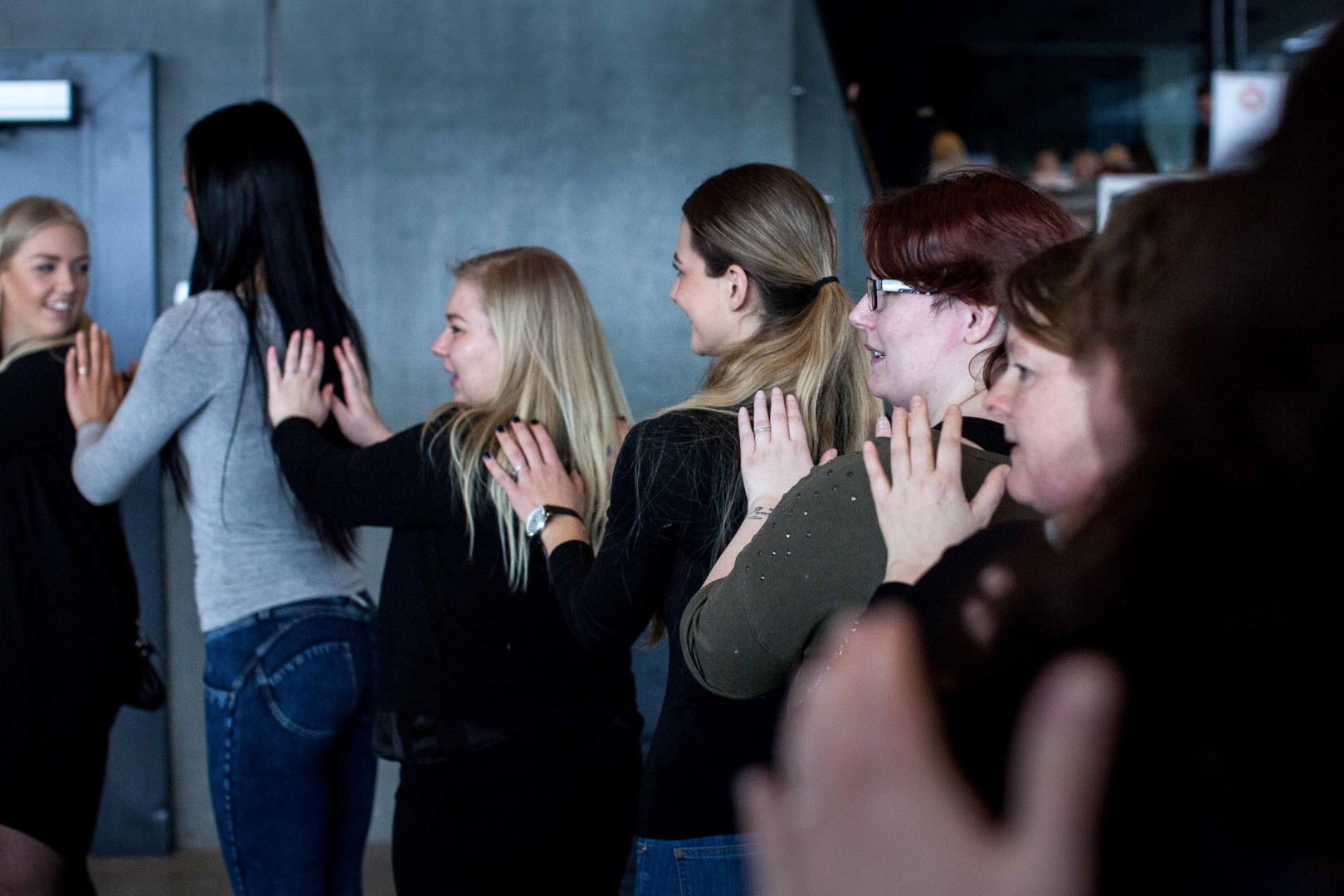
Many people ask: “What is “CounterPlay”? Why should I consider participating?”
Both are indeed good and relevant, if tricky questions. Or, rather, the questions are fairly straightforward, but providing the answers is a tricky business.
I always struggle a bit to come up with an appropriate reply, since it’s neither a simple thing to explain what CounterPlay is, nor why people should come and spend several days with a group of strangers, lovely and generous as they may be.
It’s an international play festival aiming to gather a diverse, vibrant play community every other year in, Denmark. Or maybe it’s not a proper play festival, even though we keep saying that it is. I guess it looks a bit more like a play conference when you see the programme, yet I sincerely hope that it feels more like a festival when you’re actually there. Less formal and stiff, more unpredictable, unruly, playful and alive. A “festiference” or “confestival”, if you like. An amalgam or hybrid, combining the intellectual rigour of a “serious” play conference with the life-affirming vitality of the play festival. We want to take play as seriously as any play conference, anywhere in the world, but without ever losing sight of play. The principles of play described in our manifesto serve as a compass, always guiding us in everything we do, while reminding us that this is a journey we can only take together, as a play community.
My friend and eternal source of inspiration, the late Bernie DeKoven phrased it delightfully:
“CounterPlay is one of the few public events that brings together people from widely divergent disciplines, and yet are united by their devotion to making the world a little more playful. Bringing them together like this, to play and talk and share each other’s vision, creates an unforgettably playful, creative and productive environment and helps all of them to find a larger and more inclusive perspective on their work.”
From the beginning, I intended to create a space where play was not simply the topic of investigation, but where it was woven into the fabric. As Iona Opie so beautifully writes in the wonderful “The People in the Playground”, “I wanted, above all, to call up the sensation of being surrounded by the kaleidoscopic vitality of the eager, laughing, shouting, devil-may-care people in the playground”.
Kaleidoscopic vitality is exactly what we’re aiming for.
CounterPlay is supposed to be a living, breathing play laboratory, dedicated to a collective examination of the nature, principles, values and dynamics of play in all its glorious diversity. This investigation combines theory and practice, it requires serious talk and deep thinking, but it does so with the sensation of play always present in our bodies. Even in the midst of serious conversation, play should be in close proximity, ready to take over and send us in a new, unexpected direction, smiling, laughing and letting go. My friend, Helle Marie Skovbjerg, aptly captured this approach as she was writing about CounterPlay in The International Journal of Play:
“At the festival, the immediate is celebrated with those who are present, celebrated with all that is wanton and wild, unpredictable and silly. The festival invites you to surrender to the movement of play and to place faith in the future, without knowing where play will take you. In this way, the play festival inspires hope for the future of play and incites ‘play courage’ in all, because play is first and foremost with and for its participants.”
We assume that we will never fully understand play, it’s far too complex for any one person to grasp, and we never seem to develop a language gentle and sophisticated enough to properly capture the many nuances. This calls for a delicate combination of humility and perseverance, of accepting the audacity of the task, while pushing on towards a deeper level of collective insight.
Why should I consider participating?
Because you are, I assume, a living, breathing human being, longing for deep fun, joy and human connection.
If that is indeed the case, and you are not a Russian bot or an evil AI, contemplating world domination, then play is in your bones. To the best of my knowledge, any belief that “play is for children” is misguided and problematic. It’s a ruse, a lie we can simply deny. Play is human’ish, not childish. For humans, not (just) for children.
You can refuse to play, that’s your prerogative, but it comes with severe consequences. Can you really live a good, fulfilling life without play? I don’t think so.
Play, real play, sincere play, always becomes personal. When you feel safe enough, when you dare to trust in play and whomever may be there, playing with you, you open up, show who you really are and allow yourself to be vulnerable. This is perhaps my favorite moment at the festival. Whenever people realise that the professional identity they brought, like they do to any other conference, is insufficient. Being professional just won’t cut it. Play is not professional, the distance and the facade of “serious business” disappears, it is deeply personal. One participant left this wonderful comment a few years back:
“What inspired me most was the camaraderie, the ease of conversation and exchange as if we had all known each other for decades, the lack of pretension anywhere.”
As Schiller famously put it: “man only plays when in the full meaning of the word he is a man, and he is only completely a man when he plays“ (although it doesn’t matter which gender you identify with, of course, play doesn’t care about gender – though some toy companies and marketing agencies still want you to think otherwise). Play simply makes us more human and more in touch with what is shared among all humans, raising our awareness of that which we have in common across national borders, language barriers, culture, tradition, ethnicity, sexuality or religious beliefs.
Thus, any continued attempt to suppress our inner desire to play will inevitably make us less human than we could have otherwise been. In a time where so many are concerned about the spread of AI and robots, our humanity is exactly what we should cherish and nurture, full steam ahead.
Even if you find this talk about play and humanity a bit abstract, you might want to know more about what comes out of play? What is the outcome of play, the results, the promising potential that can be harnessed?
While we insist that play itself is more important than the outcomes of play (or what we tend to view as side effects of play), we acknowledge that these can also be valuable.
Most importantly, perhaps, we believe that playful people, who dare to learn, work and live playfully, are better equipped to deal with the unpredictable, chaotic and complex nature of the world. Or in the words of the eminent, late play scholar Brian Sutton-Smith:
“Play promotes the immediate liveliness of being alive and keeps us emotionally vibrant and capable of joy in an otherwise hostile and scary world”.
In play, the the realm of possibility is vastly increased and all of a sudden, what otherwise might seem silly, risky or downright impossible, takes a new meaning. When you get into that playful mood, you are more open to new ideas, curious how new combinations or experiments might play out; you are more courageous, less inclined to fear uncertainty or ridicule; more generous towards others; more present and sincere; less bound by rules, habits and expectations – all in the name of continuing the play experience, or what Stuart Brown calls “the continuation desire of play”.
Curiosity, creativity, imagination, generosity, empathy, agency, courage, hope; all of that and more will flourish when we play earnestly and openly, as humans. As such, there are endless beneficial “side effects” or “byproducts” of play, but any hope of ever achieving these, albeit, attractive results depends entirely on our willingness and ability to give play space to flourish and air to breathe. We can’t force play to happen.
In short: You might come to CounterPlay because you’re interested in the “usefulness” of play, but you’ll probably want to stay and maybe even come back because you realise, like I did, that it’s deeply, profoundly personal. It’s a life practice.
The theme of CounterPlay ’19 is “playing at the edge”, and we welcome different forms of proposals that reflect this in one way or another. As always, we are eager to explore play from as many different angles as possible, building on our three pillars: playful learning, playful working and playful living. The theme is open for interpretation and fresh ideas: we invite you to play with the theme and identify your own ways of approaching the edge.
The edge of certainty
When we’re playing at the edge, we give up on certainty. We can tip-toe, jump, and dance at the edge, and no one knows exactly what will happen. Will we stumble and fall or regain our balance? Playing like this is not without risk, and while that may hold us back, it might be worth it for the thrill alone? Take the Scottish trials cyclist, Danny MacAskill, who made a living out of playing at very literal edges. In his aptly titled biography “At the Edge”, he describes the fear of “facing the unknown”.
The unknown. That’s exactly where play can take us, right to the edge of the unknown, staring into unfamiliar territory. Is it here, right at the edge, that we can see the farthest? Can the edge be a unique vantage point? It takes courage to pursue this distant horizon, leaving the familiar behind, to where you risk exposing yourself, laying bare your vulnerabilities and insecurities. Sometimes, we find ourself playing at the edge of our current capacity. Perhaps it is at the edge that we reach the much desired “flow state” (Csikszentmihalyi, 1990), but then, as play encourages us to “de-stabilize (our) own understandings and inhabit new circumstances” (Henricks, 2016), we stretch a little more.
This is where playing at the edge might eventually take us to the edge of play, and “noticing where play leaves off also offers a view of where play begins” (Eberle, 2009). The edge can be a very literal, hard edge, a clear delineation between where you can and cannot play. You can play at the playground, but not outside of it. You can play on the sidewalk, but not on the street. You can play at home, but certainly not at work.
Blurring the Edge
The edge of play can also be a more blurry, intangible one, resulting from conflicting notions of what it means to play. Whereas some forms of play enjoy widespread awareness, much play takes place at the edge of sight, almost invisible to most of us as it might fall between established categories, and is thus deemed as irrelevant or unacceptable. To some, play is not supposed to contain “conflict, noise and the unpredictable” (Skovbjerg, 2017), and there is often a preference for orderly rather than disorderly play (Henricks, 2009). Others are playing with ideas on the edge of what is currently accepted:
Sometimes, the blurring means we’re not sure when we’re playing and when we’re not: many pervasive/street/community games draw on this confusion (Montola, 2009). Maybe we can even use that to our advantage: to flit into play when times are too serious. We ‘game the system’ or perform acts of minor subversion – a form of “critical play”? (Flanagan, 2009).
Crossing the edge
At one point, we arrive upon that complex, often somewhat obscure situation, where play ceases to be play and mutates into something else. Maybe we run out of energy, falling flat on the ground, maybe it’s just not fun any longer. Or maybe we experience an undesirable shift in power, like the “false play” (Huizinga,1955 ), “that perversion of human creativity that occurs when organizations take over and manage play for their own ends” (Henricks, 2006). Then, all of a sudden, you’re playing someone else’s game, and are expected to follow someone else’s rules. Not everyone in society has been granted the privilege to play freely, (Henricks, 2015) and there are several forms of control and regulation put in place, including a kind of affective governance (Reestorff, 2017), where even happiness and who is allowed to experience it is dictated by forces outside our control (Ahmed, 2010). Another kind of regulation takes place through representation in toys and games, since “representation provides evidence for what forms of existence are possible” (Shaw, 2014), and the common forms of representation only represent a narrow subset of possible identities. What is the message to all those people, who can’t find anything or anyone to identify with in common ways of framing play? What are the barriers that prevent us from making playful experiences more accessible and inclusive?
As Hannah Arendt argued, happiness can’t be relegated to the private realm only, but hinges also on being “participator in public affairs” (Arendt, “On Revolution”). Playing in public is exactly to be a “participator in public affairs”, sparking our imagination to see new forms of social possibility, opening up the realm of civic participation through play. Cultivating play communities by demonstrating our willingness to play could also be a way of building trust (Svendsen, 2018) and deepening social connections:
“As the world becomes an ever lonelier place, it is sustaining relationships, in whatever form they take, which must become ever more important. An act of defiance, even.” (Segal, 2017)
Creative friction at the edge
According to the so-called “edge effect” in ecology, there is potential for increased diversity where the edges of two adjacent ecosystems overlap. The edge provides an interface to another edge, bridging the gap between two (or more) ecosystems, cultivating a sphere where new forms of life can emerge (assumed that there is still sufficient “interior habitat” for the species that need it). We like to think there is a similar “play edge effect”, when “ecosystems of play” collide, where new ways of playing, and, consequently, new ways of being are possible.
The edge of our grasp
Perhaps play is always situated right there at the edge of all the many disciplines required to understand it, and of understanding itself. Play remains at the edge of our grasp, “as an embodied, affective experience that cannot be fully conveyed using conventional language” (Shields, 2015). What happens at the edge of what we know about play, and how do we push that edge together, making our collective understanding deeper and richer?
“the continued advancement of play studies depends on the recognition of varieties of disciplinary contributions and on strategies to integrate these” (Henricks, 2016)
What we call for is exactly that – bridges to be built between the different disciplines and domains, bringing people together from across the edges, to talk, think and play together. There are edges between research and practice, between public institutions and private companies, between children and adults.
Let’s tear down the barriers and insist that edges are interfaces rather than boundaries, allowing us to create new connections, foster new ideas and cultivate new possibilities.
CounterPlay is founded on a firm belief that the mere existence of play will make our lives better. We wish to contribute to the ongoing exploration of play in order to allow everyone to live more playful lives in playful societies. We insist that any such attempt must build on a deep and sincere respect for play, where we strive to fully embrace and appreciate the inherent and beautiful ambiguity of play with all its many possible meanings and perspectives.
Hence, this manifesto is not an attempt to capture the one true meaning of play, because there is no such truth. However, we do maintain that some ways of perceiving play are more beneficial and meaningful than others. While retaining a fundamental openness, curiosity and the capacity to always learn more about the nature of play, we wish to put a stake in the ground and make our position clearly visible.
Principles of Play:
Purpose
Play is never primarily a means to an end, but the end itself. To play is not to pursue a fixed outcome, but to simply enjoy and extend the current moment as far into the future as possible. We fully acknowledge that play has many, many extremely valuable side-effects, but they are always secondary to play itself.
Joy
We play, more than anything, in order to experience the immense joy it brings, to see the smiles, hear the laughter and sense the deep satisfaction that it instills in us. In a society obsessed with measurable outcomes, it can be challenging, even provocative, to insist that something as seemingly frivolous as play has immeasurable inherent value. When you’ve seen play turn on the light in people’s eyes, how can you need any other purpose than that?
Diversity
Play is a beautifully diverse, wild phenomenon that mirror the diversity of humankind and thus stubbornly resists our attempts to capture it, transcending our carefully prepared categories and definitions. Play can come in any shape or size, and there is no right or wrong way to play. To embrace and respect play is to insist on this diversity, and to maintain the necessary curiosity to keep exploring the many meanings of play.
Openness
When we really get into play, we drastically expand our openness towards the world, the people we interact with and the scope of possible actions. We don’t hide from the world when we play, but rather engage with it and reinterpret it to catapult the play experience further ahead.
Sincerity
While play invites us to experiment with our established roles and identities, it also encourages us to fully embrace our true and most playful self. We feel confident enough to come out of hiding, to shed the usual facade and be present in the moment.
Curiosity
As a consequence of the openness cultivated by play, we immediately increase our innate desire to explore and learn about our surroundings. We want to know more, see more, try more, be more and we are much less constrained in our pursuit, sometimes following our vibrant curiosity in surprising directions.
Imagination
In play, we shed the usual restrictions put on our imagination, we refuse “business as usual” and we supercharge our capacity to conjure up mental images of things and ideas that are not yet part of reality. Our imagination becomes a powerful catalyst of play, as it creates alternative worlds for us to explore and play with.
Courage
To step into play is to accept risk and unpredictability, and to present yourself to the world without the usual facade. This can be quite daunting and sometimes require all the courage you can muster, but in play, we are no longer limited by our otherwise prevalent fear of failing, as the consequences of failure can be renegotiated and have a completely different meaning.
Connection
Anyone can play with anyone, regardless of age and position, and in play, we transcend our many differences to reach common ground, where we can truly see eye to eye. Through these connections, communities of play emerge, and as we play with more people, the community is consolidated and grows.
Empathy
The deep human connections are only possible because play is also an exercise in empathy, where we can see the world through the eyes of the other. Setting aside our immediate needs, we become more dedicated to reaching a common understanding, so we can play in the world together.
Trust
Opening up to play makes you vulnerable, as To play with someone is to trust them, to trust that their intentions are sincere, to trust that they will reach out to you and that they will respect your approach.
Agency
Play bestows upon us a remarkable agency, the capacity to actively participate, to shape the course of play and, in turn, to change the world. Play always holds the potential to challenge existing hierarchies and power structures, making it a thoroughly political affair.
Negotiation
To play with others is to enter into a dynamic, unpredictable process of negotiation, a shared act of meaning-making and exploration. Together, we determine what the play can become, and we pay earnest attention to the other players, observing and listening to their actions and decisions.
Freedom
Play can take place anywhere, at any time, and we can play with anything and anyone. We all have the power to turn a space into a play space and to challenge rules and expectations. Play is a celebration of our freedom to act, and even to do so without a clearly defined purpose.
Unruliness
Players follow their instincts, their emboldened curiosity, and care less about the common norms and expectations. This can sometimes lead to play that is wild, messy, risky, full of conflicts and impossible to control or predict.
Transformation
Play is so intricately tied to our humanity, reaching such inner depths, that getting engaged in any act of play will inevitably change who we are. Play is transformational and has an intense impact on our path through life.
Generosity
Play is not primarily about competing or winning, but about keeping the play alive and everyone playing takes upon them part of the responsibility. This brings to the fore a certain kind of generosity, where we care less about our personal needs and more about contributing to the shared experience. We stretch a little bit more, take a few additional steps towards the other, trying to do and be a little bit better for the greater good of play.
Hope
Because play allows us to see the world differently, to imagine how there are always another way, play gives us hope, even in times of tremendous hardship. Any such sense of hope is amplified by realising that we are no longer alone, that we potentially belong to a vibrant play community, and that together, we can create magnificent things.
Love
All the other traits of play comes together in a show of our emotional dedication. To play is to express and nurture a strong affection – for the people playing, for the freedom to play and for life itself. Play is, in essence, a manifestation of love.
Dimensions of Play:
Our work and this manifesto relates to three connected dimensions of play:
Play can be seen as a more or less structured activity you engage in for any given period of time, alone or with other people. At some point, the activity ends, you step out of play and back into the world in which it took place. Play can also mutate into something less tangible, better understood as an attitude and approach to life and the world. This is similar to what we call “playfulness”. Finally, play can inform new images or models to inspire the way we organise everything from workplaces and organisations to cities and societies. If you look at our “principles of play” on the following pages, you may also see the contours of this, where play becomes a paradigm of its own.
Play as an activity is usually the first and most concrete step you can take to turn your life in a more playful direction. To develop a playful attitude and pursue play as paradigm, you must dare to play, for it is only through the act of playing that we can hope to become (more) playful in our everyday lives and only deeply playful people can create a playful society.
Call to Play:
This manifesto describes the way we at CounterPlay see and frame play. We are on a long-term voyage of discovery, exploring the diverse nature of play to better understand it and, in turn, better support the transition to a more playful society.
More than that, we also see the entirety of this manifesto as a “call to play”, an invitation to take action and choose a more playful direction. At the heart of our work lies the hope that we can help more people embrace their inherent desire to play and to be the playful person we were all born to be. We can’t teach people the right way to play, but we can provide a wide range of invitations and the encouragement to pursue play in your life.
We’re all too painfully aware that many people are indifferent towards play. It’s not for them, they tell us. They don’t have time for these silly, frivolous matters. Life is short, there’s no time to waste, and play is often thought to be just that: a waste of time. While that’s not exactly wrong, it is a deeply meaningful way to waste time; “Time you enjoy wasting is not wasted time”.
When you dig a little deeper, we usually see that the resistance is mostly the kind of facade we all learn to put between us and the world, substituting our vulnerability with something resembling certainty and confidence. This makes us able to pretend that play is something you outgrow, a phenomenon strictly limited to childhood, even when doing so poses a risk to our well-being.
Whatever the reason for avoiding play, it is no easy task to change the course if you feel like it’s a journey to be taken in solitude. While playfulness is a kind of “true north”, the direction we’d instinctively pursue, the state in which we feel at home, it’s not a journey we should embark upon alone. It’s a ludicrous thought, really, that the responsibility to live playfully lies on the shoulders of any one individual when we live in a society that effectively resists play.
What we need is a play community. Well, many play communities, actually. Cultivating a diverse play community where people are actively participating to explore and spread play is probably our best bet break down the barriers we face as individuals. When we know for certain that we are not alone and that other people feel the same urge to be playful, then we can more easily muster the courage necessary to challenge the non-playful structures around us.
Let’s reach out to each other, and do what play does best; let’s connect deeply, let’s see across barriers and differences, and let’s step into each other’s lives to join forces in the movement towards a more playful world.
When you play, things change, the world changes, and you change.
The same goes, obviously, for CounterPlay.
Over the course of four festivals, we have changed immensely. We have gotten further than I could ever have hoped for, and I believe we have made important contributions to the play community. From a modest beginning, CounterPlay has evolved into what in my (heavily biased, yes) opinion is one of the most ambitious play festivals of its kind with at least a handful of unique traits:
We insist on play: our main focus is always on play, not the perceived side effects. The side effects can be important, but if we start focusing too much on them, we lose sight of play.
We invite play, conversation & reflection: to understand play, you have to play, but it’s also not enough to just play, you need to talk and think about it. That balance is a delicate one, but essential to keep experimenting with.
We encourage participation: play invites openness and participation, and we maintain that everybody must be able to really participate in shaping the festival at all times.
We see play as being meaningful and important for anyone, everywhere: our approach to play is holistic and emcompasses all of society and all of life (“We don’t stop playing because we grow old; we grow old because we stop playing”).
We embrace the ambiguity of play: the old adage “the more you know, the more you know you don’t know” really holds true with play, as it’s an immensely ambiguous phenomenon, and we need to embrace the fact that none of us truly understands play.
None of these are unique for play events, but I believe that the combination of them are. It seems that this particular approach has been successful in cultivating a very special atmosphere:
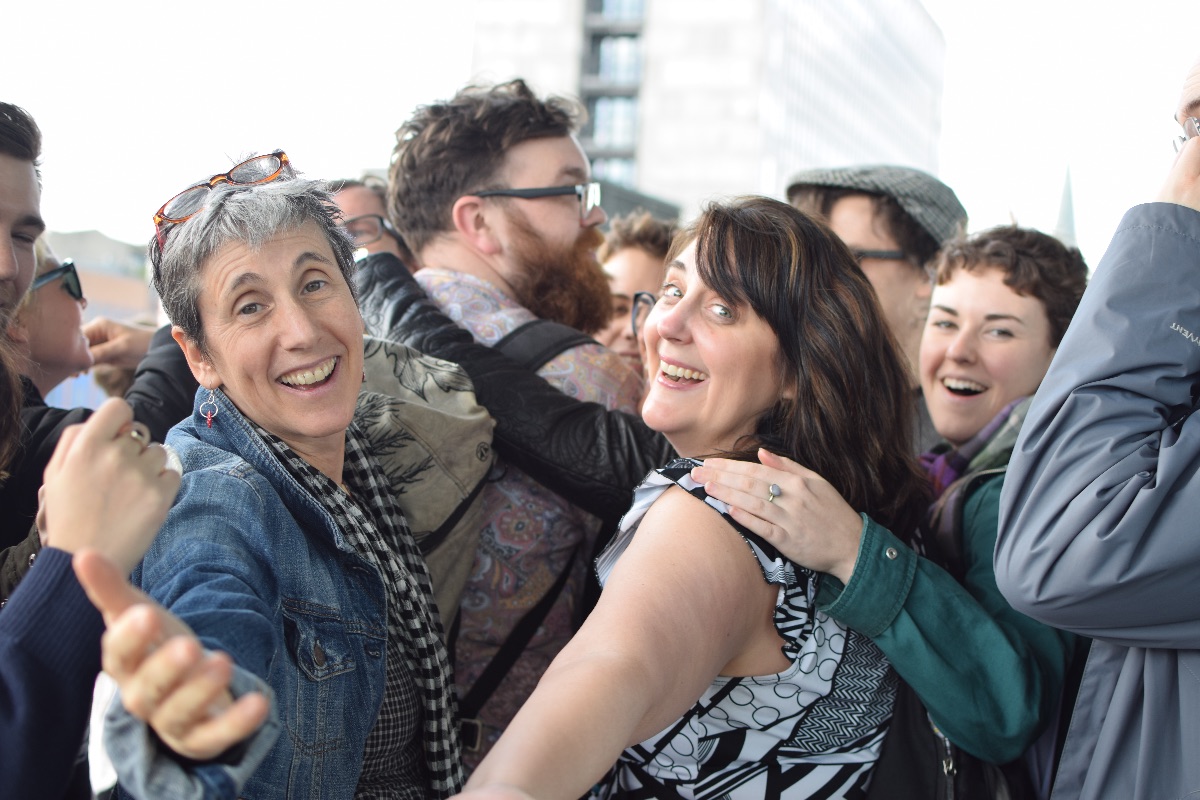
We have been surprised time and again by the tremendous courage of our participants, who overcome whatever initial reservations and anxiety they may have had. Remember, this is strangers stepping into an unknown space where many unexpected and maybe even intimidating things might happen. In the best moments, the festival cultivates a very special, playful atmosphere, where everyone come together as a community. These situations feel truly magical, as the usual barriers and masks fall away, people open up to each other and the world, showing a remarkable trust in strangers. They are present in ways you rarely see, committed and sincere. In play, it becomes deeply personal.
I am proud of what we have achieved, and our dedication to continue this work is bigger than ever, but we have realised that to do so, we need to change even more.
Here’s the biggest change:
Effective immediately, we will turn our main event, the CounterPlay festival in Aarhus, Denmark, into a bi-annual event, meaning it will be back in 2019.
This is by no means a signal that we’re slowing down or lowering our ambitions – on the contrary!
The main reasons for this decision is that we need more time to develop the festival, and this has proven quite challenging when there’s always less than a year to the next event. It is our intention to stay around for a very long time, and for that to happen, we need stronger roots. We also wish to engage in more initiatives that is either borne out of or leads up to the festival, so we can develop new activities and formats together with the play community.
Furthermore, we realise that since part of our community keeps coming back (THANK YOU!), it might be a bit much to go to Aarhus every year, whereas every other year is probably more feasible.
While we keep improving the festival, we also wish to contribute to the play community in other ways, and we are very eager to create more, smaller events between the festivals for greater continuity.
We have take the initiative to establish a national Danish “play think tank”, which will surely inform much of our work going forward.
CounterPlay is slowly spreading to other cities and countries, beginning with an event in Leeds (together with Playful Anywhere) at the end of October.
We are working with Aalborg University and other organizations in Denmark to bring the atmosphere from CounterPlay to new contexts.
We have rebooted the #cplaychat, a bi-weekly Twitter based chat about play.
We seek to experiment with more materials about play, encouraging play, including more consistent blogging, playful initiatives on social media, books and more.
[/su_list]
In short, we’re getting ready to do more to help play thrive.
In addition to this, we are always open to suggestions, ideas, conversations and partnerships. If you share our ambition to fight for play, don’t hesitate to comment or get in touch.
In this post, I try to capture the essence of CounterPlay, the principles underlying the festival and the connection to play. Part of it is a description of what we have been doing since the beginning, while part of it remains more of an ideal for our future work. There is always potential for a deeper understanding of play and a closer link between the festival, the way we organise it and the nature of play.
The Festival
From the outset, CounterPlay exists only because we simply believe play is important throughout the lifespan, for all of us, and that playful people are better equipped to live good lives in this messy, chaotic world.
The CounterPlay festival cultivates an international play community to explore the nature of play and to support play all over society with our main pillars being “Playful Learning”, “Playful Working” and “Playful Living”. We are proud of what we have achieved, and we firmly believe that we have made several unique contributions to the field of play. The festival is pushing the boundaries of our understanding of play, and we are expanding the perception of who can play when and where. It has become an internationally renowned event with a thriving community, who are both shaping the festival and spreading traces of play around the world.
We have been surprised time and again by the tremendous courage of our participants, who overcome whatever initial reservations and anxiety they may have had. Remember, this is strangers stepping into an unknown space where many unexpected and maybe even intimidating things might happen. In the best moments, the festival cultivates a very special, playful atmosphere, where everyone come together as a community. These situations feel truly magical, as the usual barriers and masks fall away, people open up to each other and the world, showing a remarkable trust in strangers. They are present in ways you rarely see, committed and sincere. In play, it becomes deeply personal.
In these moments, the festival is a safe space where everyone can participate and contribute, develop a sense of ownership, where all kinds of thoughts, ideas and experiments are welcomed and elaborated upon, where people say “yes, and…”, where the silly is completely intertwined with the serious, the personal, the deeply emotional. It can be hilarious, sure, but it always has a serious side to it, and this seems to resonate profoundly.
It demonstrates how play and a playful mindset enables new ways of being and living together. When a group of people join each other in a playful atmosphere, the realm of the possible expands drastically. More things can happen, simply because people are more open, say yes to more, unleash their imagination, show a greater sense of empathy, are more courageous and willing to take risks.
“CounterPlay is one of the few public events that brings together people from widely divergent disciplines, and yet are united by their devotion to making the world a little more playful. Bringing them together like this, to play and talk and share each other’s vision, creates an unforgettably playful, creative and productive environment and helps all of them to find a larger and more inclusive perspective on their work.”
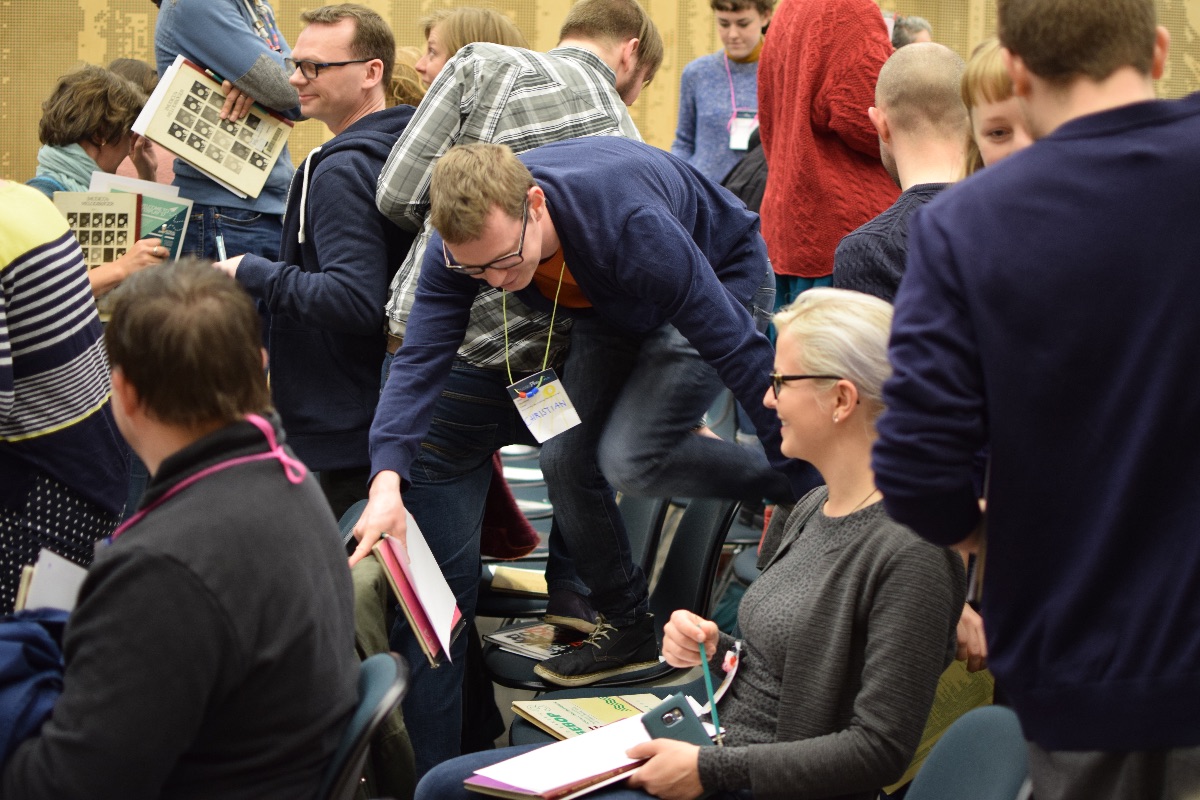
“I have no idea what happened those three days, but within the first five minutes strangers hugged me, crawled over me and I loved it. Counterplay has the unique ability to create a safe atmosphere immediately and has the right balance between theory and practice. I am a fan for life!”
“What inspired me most was the camaraderie, the ease of conversation and exchange as if we had all known each other for decades, the lack of pretension anywhere.”
“I was inspired by the variety of people – ages, nationalities, interests, approaches – for whom playfulness and play are so key. There was such a powerful sense of a global community and a growing movement. I brought back renewed energy and enthusiasm and lots of happy memories.”
We intend to let the values of play be our only point of orientation, so all our design principles grow out of our understanding of play. To design for a playful atmosphere, the entire process must mirror the principles and values of play, creating a safe space for people to explore the meaning of play and playfulness together.
Insist on play
There’s this constant discussion and distinction in the field of play: play for the sake of play, or play for the sake of something outside of play. Either you think play is important because you think play is important, or you see play as valuable because it can lead to other perceived benefits. While both positions are perfectly legitimate, we find that play only ever really manifests as play when it is all about the here and the now, the playful moment. If you focus on something outside play, you dismiss the true purpose of play: play itself. If you direct and control it too much, it will lose it’s potential, the magic will disappear and it will become something else entirely. To us, the primary focus is play and the playful approach to life.
Cultivate a play community
Our attention must always go further than the festival itself to include the play community, which is the beating heart of the festival. Cultivating a diverse play community where people are actively participating to explore and spread play is probably our best bet to foster a strong movement towards a more playful world. When we know for certain that we are not alone and that other people feel the same urge to be playful, then we can easier muster the courage that is necessary to challenge the non-playful structures around us.
Seeing the play community as a whole is relevant, as it transcends the limitations of any one person or organization, who can only do so much to improve the conditions for play to thrive in society. As a global community, on the other hand, we have the potential and power to utterly transform the role of play in the world.
When we play with each other, we stop hiding who we really are. Play invites and encourages a certain kind of openness, sincerity and honesty, and we strive to live up to those ideals when organising the festival. We don’t have hidden agendas or dark secrets, and we try to share openly, inviting the community right into the engine room.
Invite participation throughout
When we play, we become participants, as we engage in an ongoing negotiation with the other players about purpose, rules and roles. Players are participants with agency to shape the course of the experience, and we insist the same must be true for CounterPlay. We always listen to suggestions on every level, from the big visions and hard questions to specific activities. This continues during the festival, where we always invite everybody to “hack and steal the festival”:
“Remember that the more you participate, the more you put yourself into play, the more you will bring home with you. The festival should inspire you to be active; to be present in the moment; to let your guard down and open up towards the other participants and to new thoughts and ideas; to take yourself less seriously; to set your imagination free; to dare to be joyful and hopeful. To make this possible, we all have to do our best. We all have to stand on our toes, to bend towards each other. We’ve got a lot of things scheduled for you, but please feel free to break the rules, to hack the program and take over the festival. It’s yours to play with.”
This makes it impossible for us to accurately define the potential outcomes for our participants, and we merely create a framework where people can explore the nature of play. This clearly raises the bar for what we expect from our participants, as we encourage them to really step up, and to do and be their best. While this can probably seem rather intimidating, we believe it is the only way the festival can be truly meaningful for everyone.
Embrace the ambiguity of play
Definitions possess a magnetic allure, pretending to convey complex phenomena in simple, clear-cut ways, but they always simplify, and when it comes to play, the trade-off is quite frankly not worth it. As a consequence, we embrace play as a complex phenomenon full of (beautiful!) ambiguity that effectively resist any one definition. Instead of trying to find the “one true” meaning of play, we invite as many perspectives and meanings as possible; from all over society, and from research as well as practice. There should be no privileged position for any one person or position, and we must keep reminding ourselves that we don’t know and will never know exactly what play is, what it looks like or how it feels.
Play is mysterious, and any attempt to define it and tie it down tends to be met with resistance. At CounterPlay I saw the participants handling this mystery with respect. We prodded at play, massaged the edges to try to find out what we could about its shape, but resisted the urge to go at it with a hammer in desperation to find out what’s inside. This gentle approach felt the right one to me – I was welcomed by other play-explorers and invited to be vulnerable, to share, to experiment, and to do all this with heart. – The Flying Raccoon
Play can lead to the most unrestrained, rambunctious and silly situations, where people are quite literally rolling on the floor laughing or smiling on the inside. These aspects of play should absolutely be nurtured and welcomed, since they bring with them incredible energy and joy. At the same time, we always seek out the back and forth movement between the silly and the serious, as we wish to create a space for playing as well as thinking and talking about play. Due to the immense ambiguity and diversity of play, there is no real contradiction here. Play is more often than not taken very seriously by those playing, and it easily, effortlessly accommodates for more introspective and reflective play practices.
Design for surprises
Play can be completely unpredictable, as we interact with each other, the world and our own thoughts and bodies in surprising ways. Sometimes we’re moving around, touching each other, exploring the physical, tangible world, while on other occasions, the surprises come from thoughts and ideas colliding, reshaping each other, merging. In either case, you never know exactly where it takes you, and the same approach is embedded in the festival. There’s no sense in hoping to control everything, so we always try to embrace the unexpected, and consider it a success whenever something happens that we hadn’t planned for or even fully understand.
While there a moments during each festival that truly feels like magic, it is simply a matter of choice and design. If we can create a space where this atmosphere thrives at CounterPlay, then it should be possible to do the same all over society: in schools and universities, libraries, museums, urban spaces, private companies and more. We are always encouraging our participants to reflect upon this and make an effort to cultivate a similar culture in their workplace and daily life. With small steps, anyone can cause real change.
It was always our intention reach outside the festival and to increasingly support the spread of playfulness everywhere. Do you want to learn from our experiences and maybe even organise your own local CounterPlay festival?
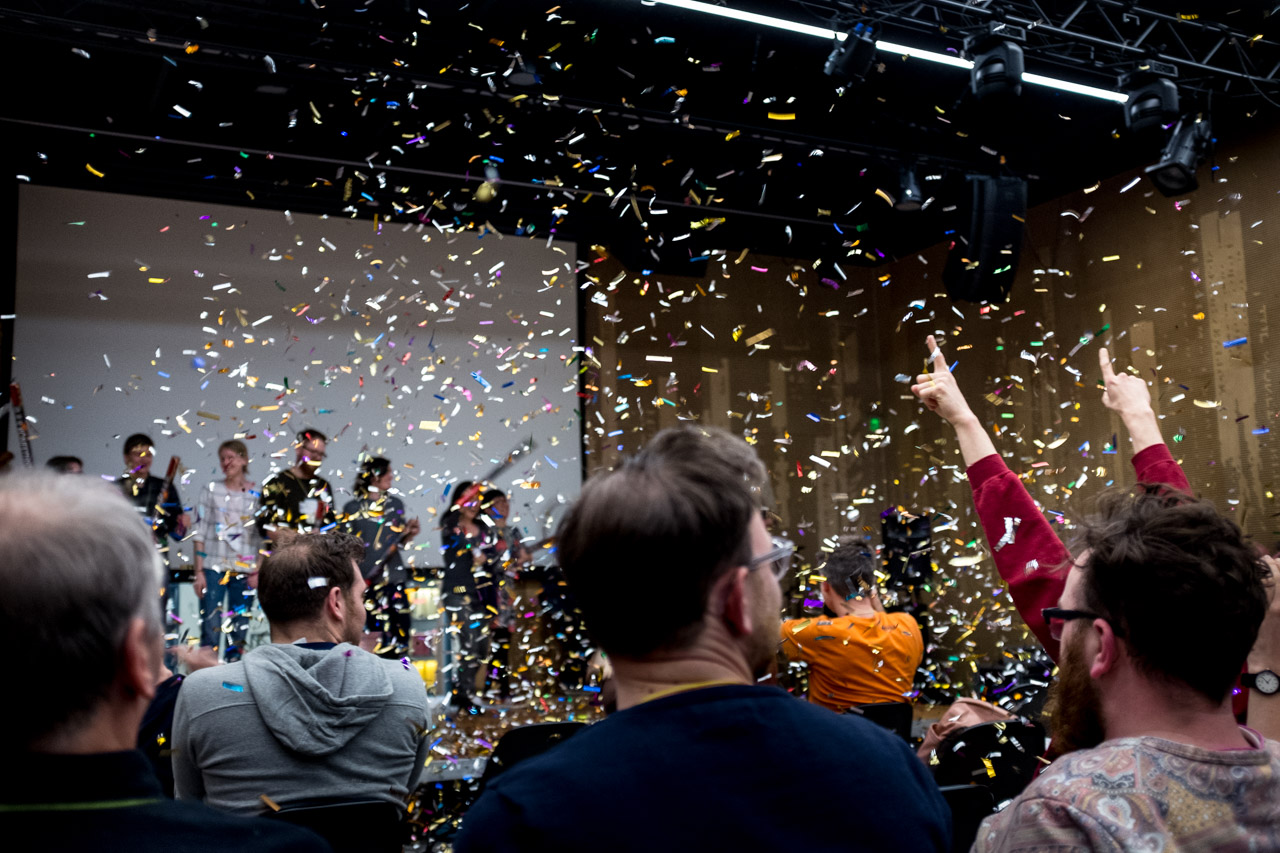
CounterPlay ‘17 is over, it’s been several days, and I’m only slowly catching my breath. It was a wild and crazy ride, and all the impressions still need more time to settle. We considered this to be the most ambitious festival yet, and we expected it to be playful and chaotic, but we honestly had no idea how it would be received. I mean, how could we? It’s all so dependant on the community and the willingness to participate. We insist that we must organise the festival in ways that mirrors the openness of play, which inevitably also leads to unpredictable results, or what Gwen Gordon so brilliantly labelled “magnificent mayhem” (a new tagline, maybe?):
In the situation above, I honestly didn’t have a clue what was going on, but it was glorious. I loved it and it captured so much of what we could ever hope to achieve.
At this point, the community clearly felt like a safe space, where everyone could participate and contribute, where all kinds of thoughts, ideas and experiments would be welcomed and elaborated upon, where the silly had been completely intertwined with the serious, the personal, the deeply emotional. It was hilarious, sure, but it was much more than that, and it seemed to resonate profoundly.
I experienced many more of these situations, and I believe that we have shown how play and a playful mindset enables new ways of being and living together. When a group of people join each other in a playful atmosphere, the realm of the possible expands drastically. More things can happen, simply because people are more open, say yes to more, unleash their imagination, show a greater sense of empathy, are more courageous and willing to take risks – or in other words: people play along.
Throughout all this, it felt like more people than ever were eager to contribute to the continued expansion of the global play community. This is truly encouraging and heartwarming, as the purpose of CounterPlay has always been closely tied to the community. There was this one person, who said that she was deeply moved by realizing that we have agency and power to change the world simply by fighting for play together. This beautifully captures the essence of our ambitions, and perhaps the strongest sentiment I carry with me after the festival: the change we can cause together is significant:
Seeing the play community as a whole is relevant, as it transcends the limitations of any one person or organization, who can only do so much to improve the conditions for play to thrive in society. As a global community, on the other hand, we have the potential and power to utterly transform the role of play in the world.
My dizzy head is spinning with ideas, so many experiments I’d like to make, and adventures I want to embark upon with this community. It will take some time to fully crystallize, but a few things stand out already. They’re all revolving around the general suggestion that we need more activities throughout the year.
Local meetups & interventions – someone mentioned a sort of CounterPlayX (inspired by TEDx), where local “charters” build on what we have learned from the festival (I personally love the idea about CounterPlay as some sort of travelling circus).
Podcast – as a way to capture and share some longer conversations with people in the play community.
Online play forum – as a space for ongoing conversations about play in the community.
Publications – after making “The Power of Play – Voices from the Play Community”, I’d love to create more publications of all kinds.
It’s important to stress that these things can obviously only happen, if some of you are keen to play along (and most of it also requires us to secure additional funding).
For now, consider what you would like to do to create more opportunities for yourself and others to live a more playful life. If you have ideas, let me know in the comments.
We insist that the process of organizing CounterPlay must be as open, inclusive and explorative as (we hope) the festival is. This also makes it slightly more unpredictable and chaotic, and just like when we’re playing, we don’t know exactly where we end up. This is not a bug, but a feature; it is entirely by design (also when we sometimes lose control, how can we make anything playful if we control everything?).
We have, once again, had an overwhelming response to our call for proposals with so many wonderful people suggesting the most amazing and playful activities for CounterPlay ’17. We strive to design a program that mirrors the diversity of play, cultivating a diverse community in the process. We are also moving towards ever more playful formats to create an atmosphere, where everybody feels safe enough to risk not being taken seriously when they interact playfully with each other.
In addition to the amazing proposals, we are working with many good people to design activities specifically for the festival, not least for our special focus on playful cities / playful citizens“, where we will host a range of workshops, play sessions and open debate. There will also be a big, open creative space (the cardboard area from CounterPlay ’16). We are inspired by things like “Stupid Hackathon” and “Hebocon crappy robot contest”, so here you can make stupid, silly, useless things out of everything from digital technologies over wood and cardboard to broken toys.
While the schedule is not yet ready, the structure will be similar to that of CounterPlay ’16, so take a look at that program. This means that there will be “plenary sessions” where we all get together, many parallel tracks with workshops and play sessions, dinner on Thursday evening, and Saturday, April 1st, will once more be organized like an “unconference” for discussion and contemplation. Apart from the things we schedule, the festival wants to be hacked, so we expect numerous playful interventions we won’t know about.
For now, take a look at this list of all the activities and people we have confirmed for the festival – with (much) more to come in the beginning of 2017!
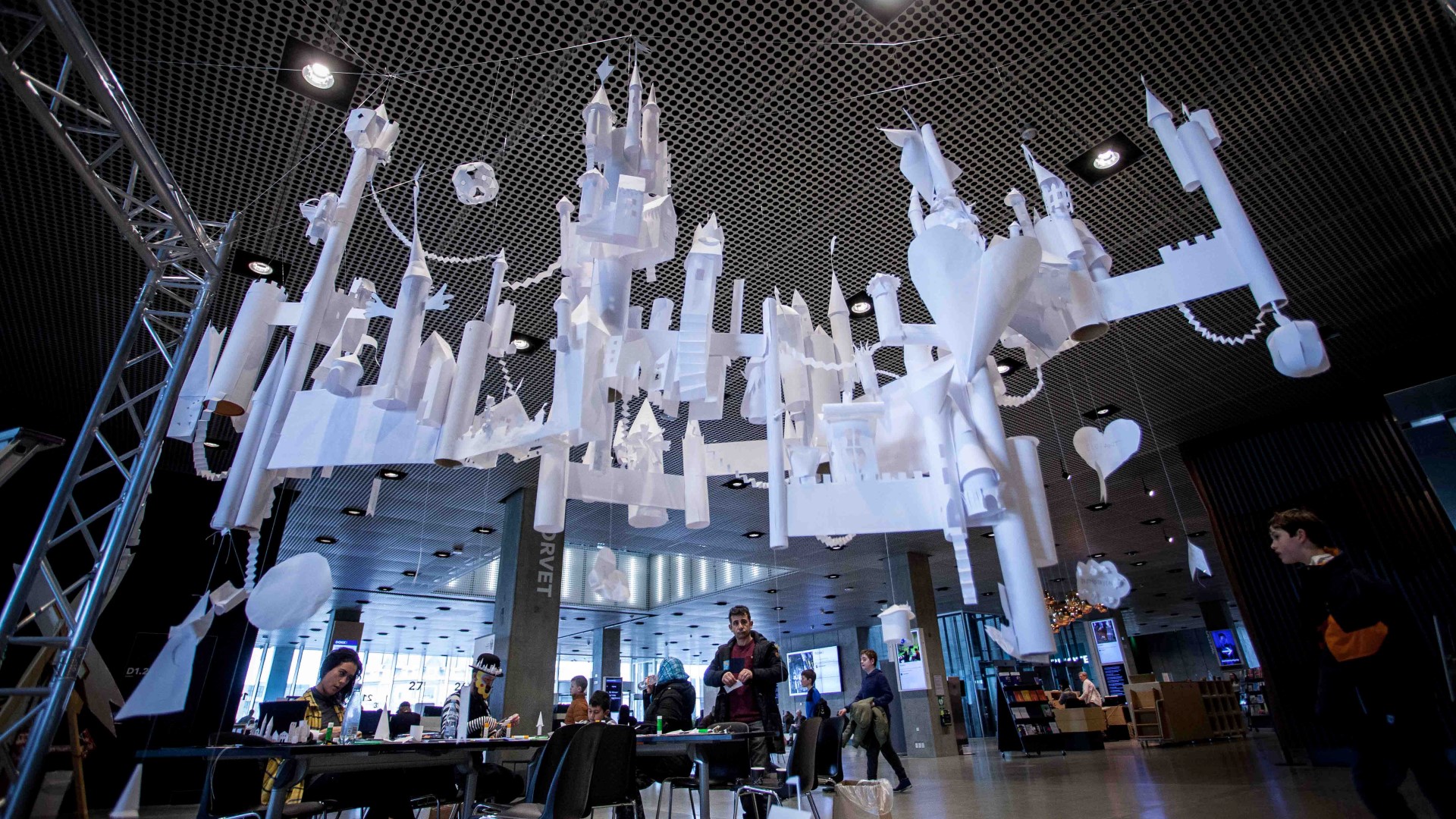
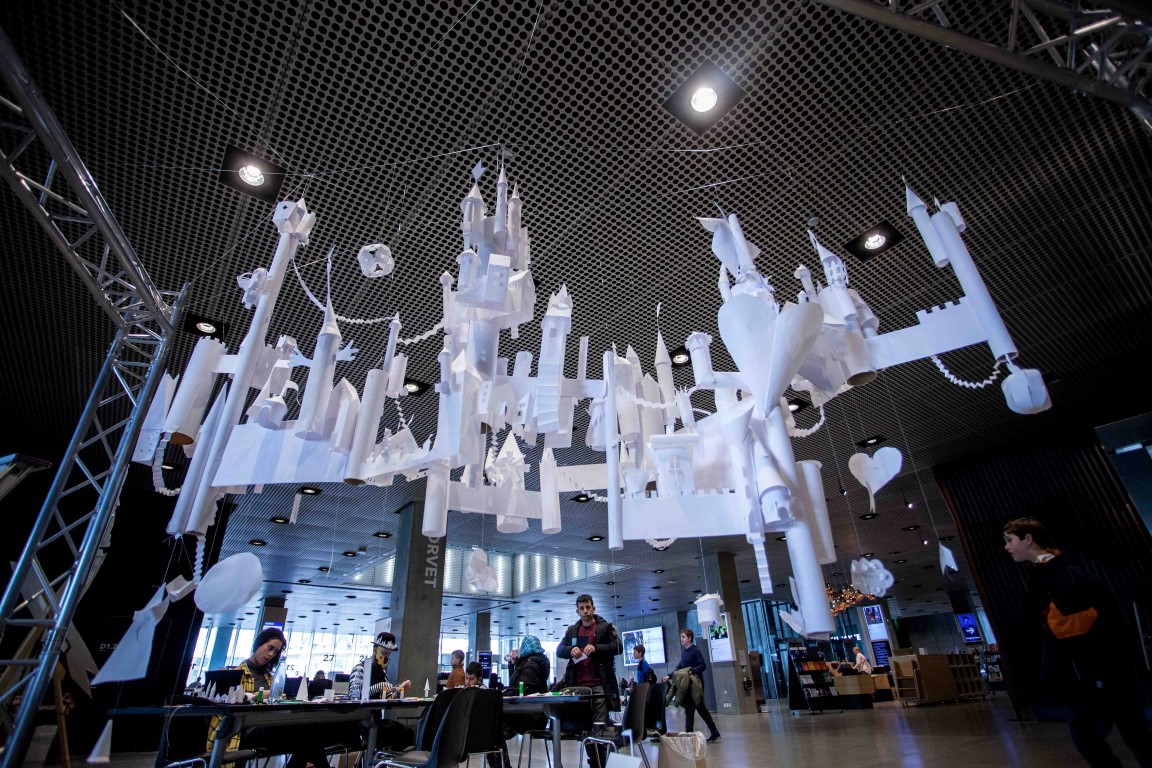
Or: thinking about all the beautiful castles for our dreams we are going to build together.
When I started working on the tiny, messy idea that would later become CounterPlay, and when I ran the first festival in an old library in April 2014, I couldn’t possibly anticipate where it would take me. Nonetheless, I had high hopes, for my personal journey, for the festival, and for society at large.
It’s been a beautiful and exciting adventure bringing me into contact with the most wonderful people from all around the world. I have learned that so many people are passionately fighting for play, and my life is better because of it. It truly is. Simply knowing that you are out there is (almost) enough. Yes, it has been tremendously hard work, frustrating at times (I’ve considered throwing in the towel on more than one occasion), but I honestly don’t think I have ever done anything that feels this important (or that makes me this proud).
From the outset, I wanted to cultivate a diverse international community of people from all over society that would allow us to explore games, play and playfulness from as many perspectives as possible. Without this diversity, we can neither say anything coherent about the meaning of a phenomenon as complex as play, nor can we argue about the importance of play for society as a whole.
The profile of the festival has become a bit sharper since then, as we are now more courageous, and dare to be more outspoken about the things we believe are important: play is for everyone, it belongs in all aspects of life, it is highly political, it needs a more prominent place in society, and we should focus on play for the sake of play rather than the perceived side effects (however positive and important these may be).
“societies need to reaffirm the value of a playful spirit in populations of all ages” – Thomas S. Henricks
More than anything, we are interested in playfulness. The main reason why we think play is so important is that a playful mindset and a playful attitude will (probably) enable you to live better lives in this complex, globalised and confusing world. More people should be allowed to play and engage with work and life in more playful ways. To achieve this, we wish to create more opportunities to play, cultivate playful communities across all sorts of borders and boundaries and drive a movement towards a more playful world.
While we have come much, much further than I could have initially imagined, this only means that we are now aiming higher. We can and should do more. We can take on a greater responsibility and we can make ourselves more visible, shaping the public agenda to a greater degree, hopefully contributing to achieving the ambitious goals set by people like Stuart Brown:
“When enough people raise play to the status it deserves in our lives, we will find the world a better place”
In the following, I’ll describe three areas which are important to us, now and in the future. All of them are to be seen as invitations for anyone who want to be part of our journey. I can’t say this often enough: we will remain open, inclusive and seeking conversation with each and every person who can enlighten and/or challenge us.
I don’t think of CounterPlay as something with an expiration date. I never did. On the contrary, we aim to stay around for as long as play is not given the attention and space it needs and deserves. As some of you know, I’m the impatient type, and it can be hard to accept that
things take time. Nonetheless, they do. They simply just do. No meaningful change happens overnight, and we can only hope to achieve anything real by maintaining momentum over a longer period of time, taking many small steps in the process. It obviously matters what we do, but it also matters a lot that we do it again and again, year after year, and that we are not deterred by all the things that make it seem impossible at times (this is as much a reminder to myself, because giving up frequently seems like the best choice).
There is no law of nature stating that we can survive to keep doing what we do, so we must build a stronger foundation for the festival. We’re a small (tiny, even) NGO with no secure funding (we mostly rely on registration fees), no real platform and no employees. This is often a strength, as we can maneuver freely, make the decisions we feel are right, and generally pursue our dreams and ambitions. Even so, being small and fragile also comes with a number of challenges when you’re aiming for permanence and continuity.
There’s obviously a financial side of this that we must focus on, since it’s quite risky to bet everything on the willingness of people attending the festival. We’ll need to develop a better, more robust “business model” (man, I hate that term) that allows for increased financial sustainability. Money is not my biggest concern, though, since it’s even more important that we get more people involved, spreading the ownership and desire to make this work.
Do you know something about building an organisation and securing the foundation? We would love to hear from you.
Like play, diversity is important in and of itself, and we don’t need any other reason or justification than that. We want CounterPlay to be inclusive and diverse just because. Period.
I was inspired by the variety of people – ages, nationalities, interests, approaches – for whom playfulness and play are so key. There was such a powerful sense of a global community and a growing movement. I brought back renewed energy and enthusiasm and lots of happy memories.
At the same time, cultivating diverse communities is a necessary component in our effort to explore all the different ways people can play and be playful. Play is full of ambiguity (as described so magnificently by Brian Sutton-Smith), such a complex phenomenon in so many shapes and sizes, and our community must mirror this. If we only invite people who are similar to us, we limit our thinking and our understanding of play. Beside the obvious Being John Malkovich’ish implications of having to many people who look like yourself, it simply obstructs our view and gets in the way of our ambitions.
CounterPlay is one of the few public events that brings together people from widely divergent disciplines, and yet are united by their devotion to making the world a little more playful. Bringing them together like this, to play and talk and share each other’s vision, creates an unforgettably playful, creative and productive environment and helps all of them to find a larger and more inclusive perspective on their work.
By bringing different people with different backgrounds and experiences together, we also hope to create better conditions for new things to happen, new ideas to form, new connections to be established and new friendships to develop. None of this is easy, as we, like most people, often default to what we know, feel comfortable with and have tried before. We clearly still have a lot to learn, but we are doing our best.
This is where it counts, and where we need to really step it up.
We shouldn’t be able to avoid play, just like we (usually) don’t try to avoid things like water, food, education, work, and social relationships.
I dream about a world where play is an essential part of life, and where you don’t have to make excuses or go to great lengths to hide your playful endeavours. In this future utopia, we are not afraid of embracing play, and playing in public is nothing out of the ordinary. Living a playful life doesn’t make people consider you any less serious or ambitious – perhaps rather the contrary. When the world is more playful, you are free to play around with habits, traditions, rules and power structures, challenging them and asking critical questions.
I consider the festival an early prototype of this society, and I believe we have shown that it is possible to create an atmosphere, where play and people thrive – if only on a microscopic scale for three days.
Outside the festival, too many people steer away from play for fear of what their family, friends, colleagues and the wider society might think. While I don’t want to force anyone to play, I believe everybody should have the opportunity to consider going down the playful path (with more than an implicit nod to my inspiring friend Bernie DeKoven). While this may seem like a little thing – asking for people to simply consider play as an ingredient in life – I think it would be a huge step. If we can break down the social and mental barriers, we have come a long way. Even if we can just help a few people reconnect with their playful selves, seeing their eyes light up, that more than justifies our effort.
Have you noticed that, by the way? The light in the eyes of people playing? When they’re just really there in the moment, and their eyes shine? It’s like magic.
It should be possible for all of us to explore how we like to play, what feels good, and how our playful life should look and feel.
That is my dream.
If you have requests, ideas, comments or want to join the adventure, comment below or get in touch!
In the two previous posts I have written about “the diversity of play” and “the play community” as two factors to consider when aspiring to create a truly playful play festival.
An even less controllable and tangible part of making a playful festival is the atmosphere. After having organized thee CounterPlay festivals, the most important single thing I’ve learned, is that it’s not so much about the content of any single activity or session (not that these are not important), but about the overall playful atmosphere. It needs to be informal, relaxed, open, respectful and welcoming, so people feel safe enough to just be there without wearing masks (well, actual masks are ok, of course).
If the atmosphere is not right, chances are people won’t overcome all the social norms and conventions that get in the way of adults’ play:
Probably the biggest roadblock to play for adults is the worry that they will look silly, undignified, or dumb if they allow themselves to truly play. Or they think that it is irresponsible, immature, and childish to give themselves regularly over to play (Brown, 2009)
To change this, you need to put yourself “yourself in an environment that supports and promotes that play”. If the atmosphere is right, people act differently, and maybe, just maybe, they choose to engage in “playful play”:
“Playful play (as distinct from the broader biological category of play) is accompanied by a particular positive mood state in which the individual is more inclined to behave (and, in the case of humans, think) in a spontaneous and flexible way” (Play, Playfulness, Creativity and Innovation)
The idea about “mood” is explored in more depth by Helle Marie Skovbjerg, who, argues that “play moods is the particular concept of sense and feeling of being, which is what we are drawn to when we play:
Applied to our play mood perspective what is important here is that play mood comes before any meaning can be articulated as something specific. It is the state of being where you are distinctly open to new meaning production and where the possibilities exist for that to happen. It is not something that comes from within the players or from the outside, but instead it is happening through our engagement with the doings of play and in our relations towards the people we are with (Play practices and play moods)
The atmosphere and the mood is reinforced by what Stuart Brown calls “continuation desire”:
play provides a continuation desire. We desire to keep doing it, and the pleasure of the experience drives that desire. We find ways to keep it going. If something threatens to stop the fun, we improvise new rules or conditions so that the play doesn’t have to end. And when it is over, we want to do it again
I hope and think most people at the festival experienced this to some extent. When I saw people, strangers, engage in deep, meaningful conversations and all sorts of play, even the most silly and rambunctious kind, I felt like we had succeeded in some way. These wonderful people were showing remarkable levels of empathy and respect for each other. The atmosphere was friendly, and everybody seemed curious, eager to learn, and also to enter the unknown:
What inspired me most was the camaraderie, the ease of conversation and exchange as if we had all known each other for decades, the lack of pretension anywhere
Now, it’s one thing to make these things happen when like-minded, playful souls get together. It’s obviously a significantly greater challenge to bring about a similar atmosphere, when play is a rare exception. That is, however, the conversation we need to continue: how do we help each other and our peers embrace their playful selves?
[/et_pb_text][et_pb_post_nav admin_label=”Post Navigation” in_same_term=”off” hide_prev=”off” hide_next=”on” prev_text=”Read the previous post in this series: %title” use_border_color=”off” border_color=”#ffffff” border_style=”solid” /][/et_pb_column][/et_pb_row][/et_pb_section]
In the previous post, I reflected on “the diversity of play” as one strategy for “inviting playfulness” by allowing people to approach play in a way that feels meaningful to them.
While we can design for diversity in the way we represent play, and we can invite a diverse group of contributors, it’s impossible to control what makes up the core of the festival: the people, the community. We approach the notion of community as a space for mutual participation, or, in the words of Henry Jenkins (et al), a “particpatory culture”:
“A participatory culture is a culture with relatively low barriers to artistic expression and civic engagement, strong support for creating and sharing creations, and some type of informal mentorship whereby experienced participants pass along knowledge to novices. In a participatory culture, members also believe their contributions matter and feel some degree of social connection´with one another”
Cultivating a diverse play community where people are actively participating to explore play is probably our best bet to foster a strong movement towards a more playful world. When we know for certain that we are not alone, that other people feel the same urge to be playful, then we can easier muster the courage that is necessary to challenge the non-playful structures around us. In that light, it was immensely satisfying to experience how the diversity of play was mirrored in the diversity of the play community.
“But we are a play community, and playing the way we do, for fun, for everyone’s fun, in public – our fun little community becomes something else. To those who want to be seen as people who embrace life, embrace each other, embrace spontaneity, freedom, laughter; we are an alternative. An invitation. We play as if the game isn’t important. The rules aren’t important. As if the only really important thing is each other”
In this community, there was an ongoing negotiation of meaning & purpose, just like when we play in other contexts. We came together from many different backgrounds, disciplines and parts of the world, and we challenged each other on everything from the rules of a game to the way we are together as people:
“When people agree on the terms of their engagement with one another and collectively bring those little worlds into being, they effectively create models for living” (Henricks, 2016)
Putting this much emphasis on the community, it’s obviously crucial that people actually feel that they are welcome and that the community is values their participation and contributions. Judging by the feedback we have received so far, it seems we are getting some things right:
I was inspired by the variety of people – ages, nationalities, interests, approaches – for whom playfulness and play are so key. There was such a powerful sense of a global community and a growing movement. I brought back renewed energy and enthusiasm and lots of happy memories.
Counterplay is the place to be for playful people who are curious to new insights, new people and new adventures. It’s a journey, on both a personal level and on the level of the community. Counterplay = a way to transform the I into WE.
In the next and last post, I’ll take a look at how diversity and community can, in some cases, help cultivate a playful atmosphere.
[/et_pb_text][et_pb_image admin_label=”Image”] [/et_pb_image][et_pb_post_nav admin_label=”Post Navigation” in_same_term=”off” hide_prev=”off” hide_next=”off” prev_text=”Read the previous post in this series: %title” next_text=”Read the next post in this series: %title” use_border_color=”off” border_color=”#ffffff” border_style=”solid” /][/et_pb_column][/et_pb_row][/et_pb_section]
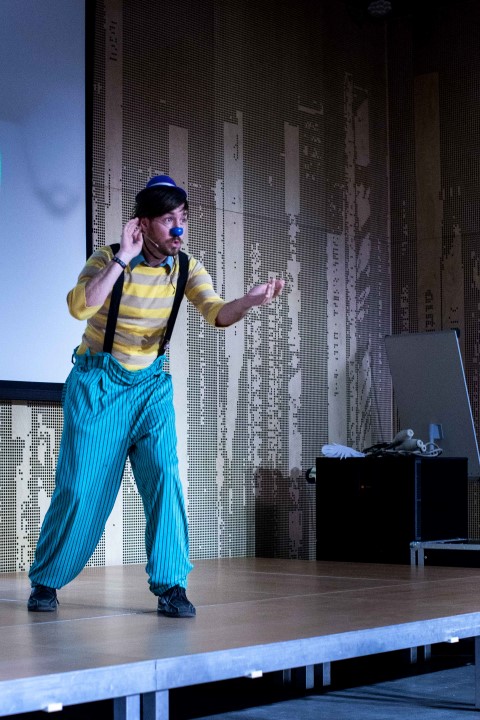 It’s been a beautiful and exciting adventure bringing me into contact with the most wonderful people from all around the world. I have learned that so many people are passionately fighting for play, and my life is better because of it. It truly is. Simply knowing that you are out there is (almost) enough. Yes, it has been tremendously hard work, frustrating at times (I’ve considered throwing in the towel on more than one occasion), but I honestly don’t think I have ever done anything that feels this important (or that makes me this proud).
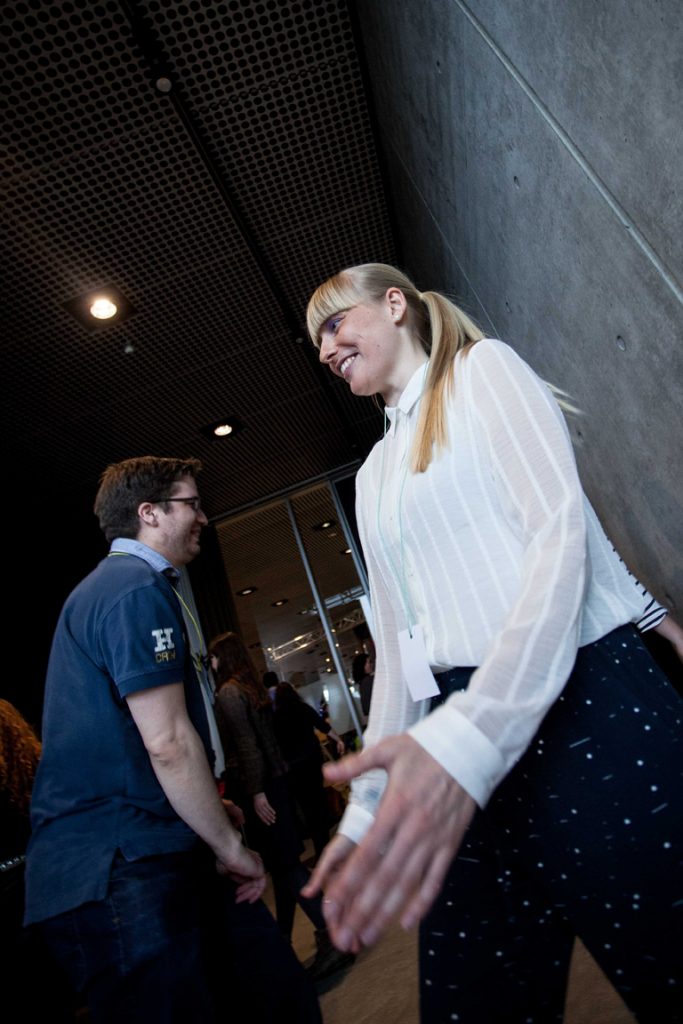 year after year, and that we are not deterred by all the things that make it seem impossible at times (this is as much a reminder to myself, because giving up frequently seems like the best choice).
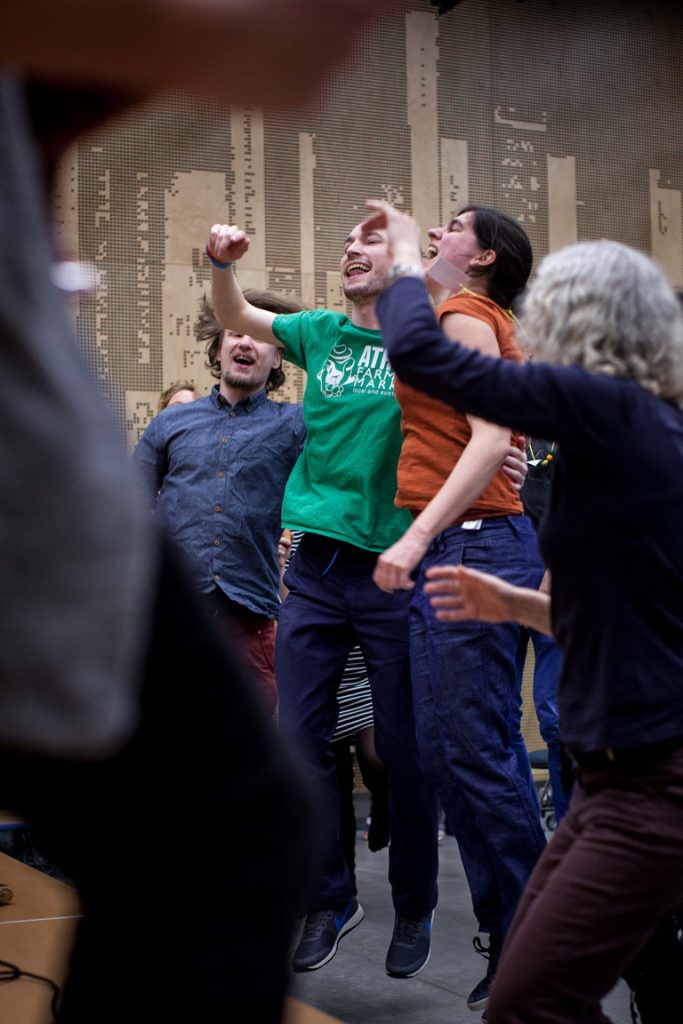 I was inspired by the variety of people – ages, nationalities, interests, approaches – for whom playfulness and play are so key. There was such a powerful sense of a global community and a growing movement. I brought back renewed energy and enthusiasm and lots of happy memories.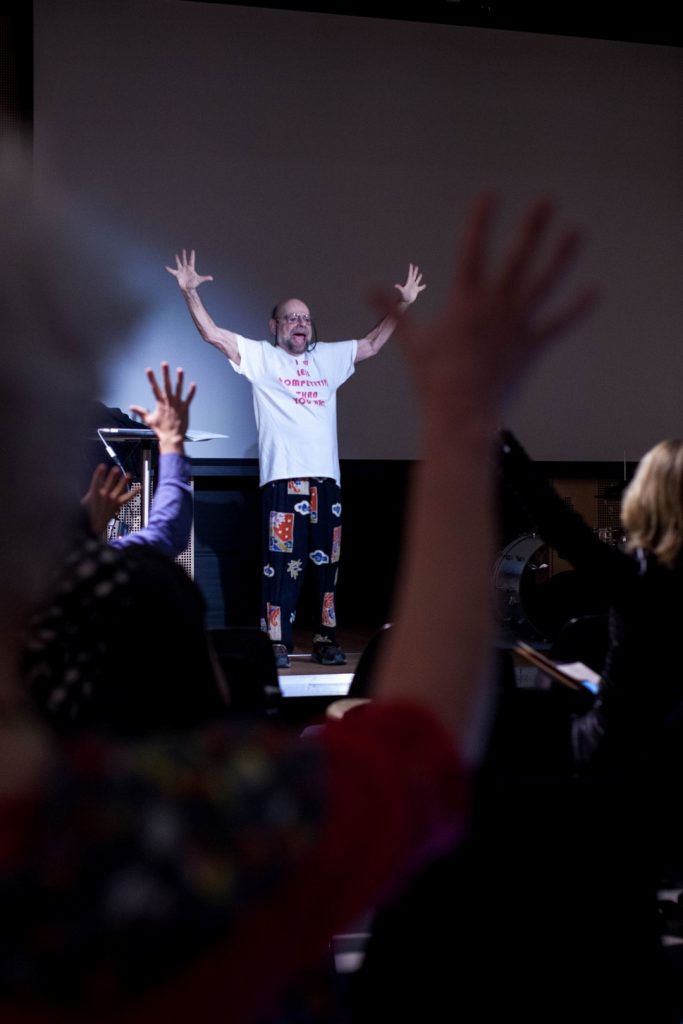
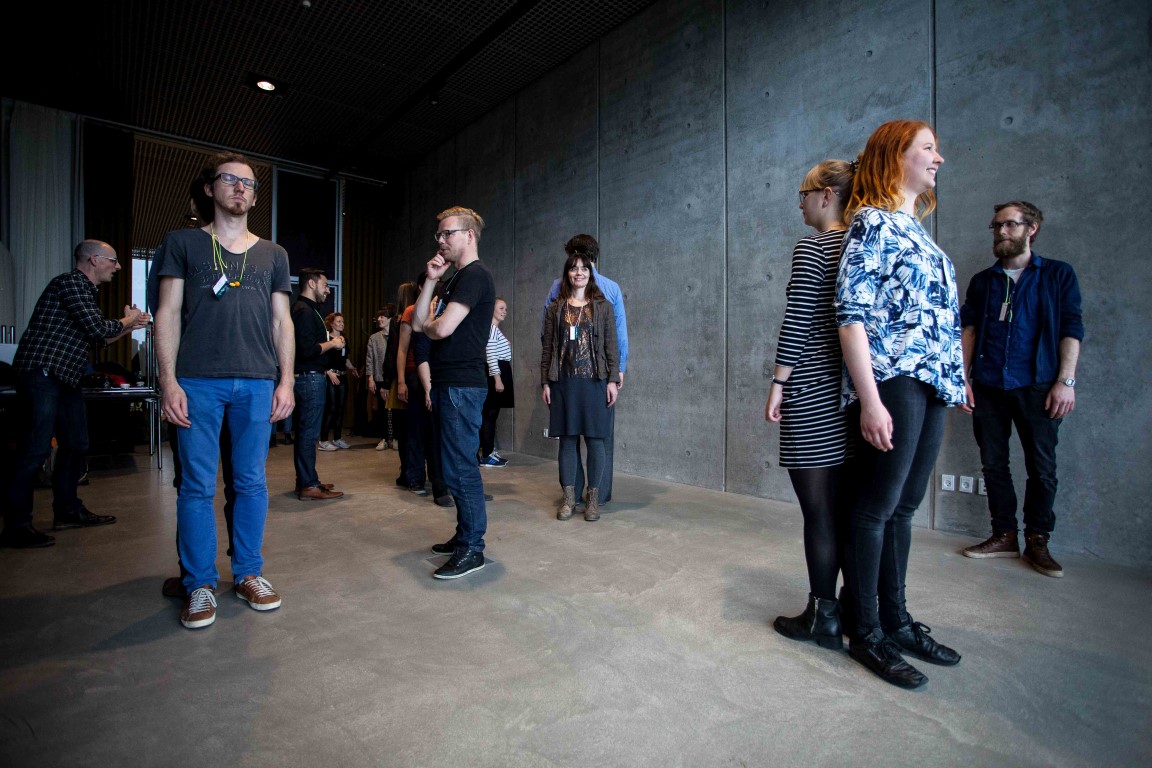
 An even less controllable and tangible part of making a playful festival is the atmosphere. After having organized thee CounterPlay festivals, the most important single thing I’ve learned, is that it’s not so much about the content of any single activity or session (not that these are not important), but about the overall playful atmosphere. It needs to be informal, relaxed, open, respectful and welcoming, so people feel safe enough to just be there without wearing masks (well, actual masks are ok, of course).