[et_pb_section admin_label=”section”][et_pb_row admin_label=”row”][et_pb_column type=”4_4″][et_pb_text admin_label=”Text” background_layout=”light” text_orientation=”left” use_border_color=”off” border_color=”#ffffff” border_style=”solid”]
[su_box title=”Guest Post: Bernie DeKoven” box_color=”#023254″ title_color=”#ffffff” radius=”5″]This post is written by guest blogger Bernie DeKoven. For more of his work, see www.deepfun.com and www.aplayfulpath.com.
If you also want to write a post, get in touch![/su_box]
There are certain people, like you and me, who believe in fun. We believe in it so much and so hard and so completely that we have to share it. We just have to. We believe that the pursuit of fun is even more fun than the pursuit of happiness. We believe that fun is an inalienable right. Not that it should be. But that it really, really is. Like freedom. In fact, we believe that fun is freedom. Just like freedom is fun. For sure.
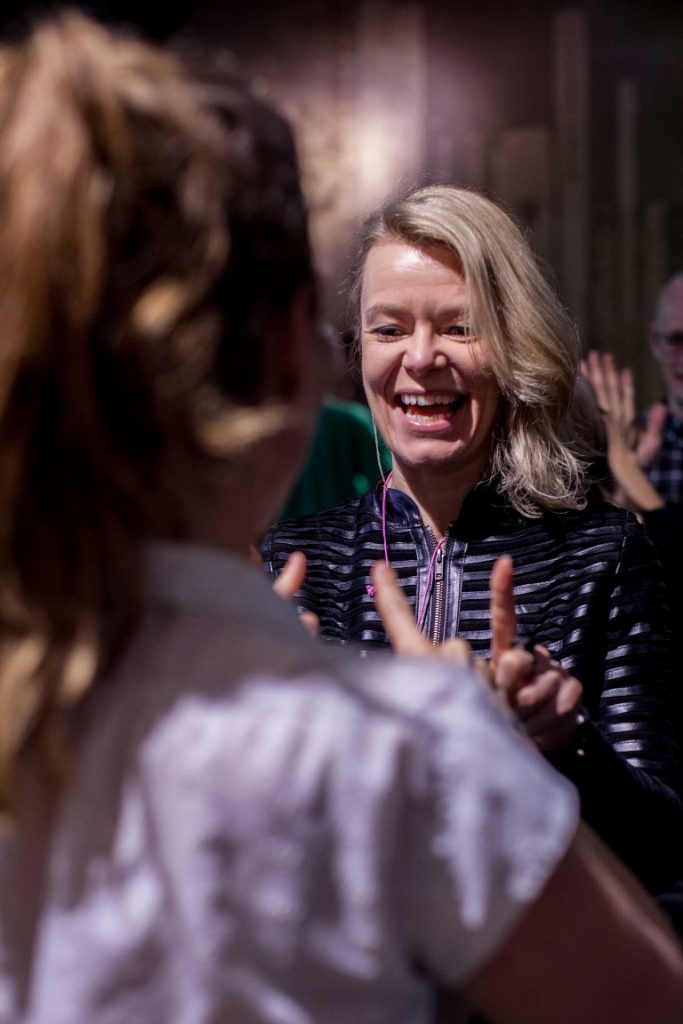 Play? Well of course. We believe in play because play is fun. Especially playful play. Because, like Patrick Bateson said (yes, him, not me), “playfulness is what makes play fun.”
We are a playful folk. Kind of like play circuses, don’t you know. Wandering hither and yon, finding people we can just hang with and get playful. We’re not quite famous, if you know what I mean, not really “mainstream.” But play, well, it’s what we do. Who we are. What we are meant for.
Games? Toys? Sure. Sometimes. When they’re fun. And what we like about them is that we can share them, play with people with them. We believe in Frisbees.
But for all our faith in fun, it’s not until our tribes can get together, like we do at CounterPlay, not until all these different groups of players get to play with each other that we feel the depth of it all, the profundity of the faith, of the fun, of the freedom we give each other by the sheer power and variety and faith in fun.
I think the whole world believes in fun. But only a few of us actually practice it. Faithfully. Which is why it is so powerful for us when we get to play together. All us play practitioners, playing freely, safely, fearlessly together.
Fearlessly.
It’s funny – a sad kind of funny – that we so often feel that we’re doing something wrong, something illegal, having fun like this, together, in the open. Which is probably why, when we get together, it’s so much more fun. Because we free each other. Because fun is threatening to those people who aren’t having it. Just like freedom.
And when we’re ready, or just feel like it, or find the right opportunity, maybe we can play like we do, in public. Not so much showing people how good we are at playing together. But more like inviting people to join in the fun.
And then, then we become a cause, if you know what I mean. Then we make our statement. Freeing each other to play, and maybe, who knows, the world.
[/et_pb_text][/et_pb_column][/et_pb_row][/et_pb_section]