[et_pb_section bb_built=”1″][et_pb_row][et_pb_column type=”4_4″][et_pb_text _builder_version=”3.0.90″ background_layout=”light”]
We’ve gotten so used to being surrounded by technology that we often seem to not even pay attention to its presence.
This is not (just) a good thing.
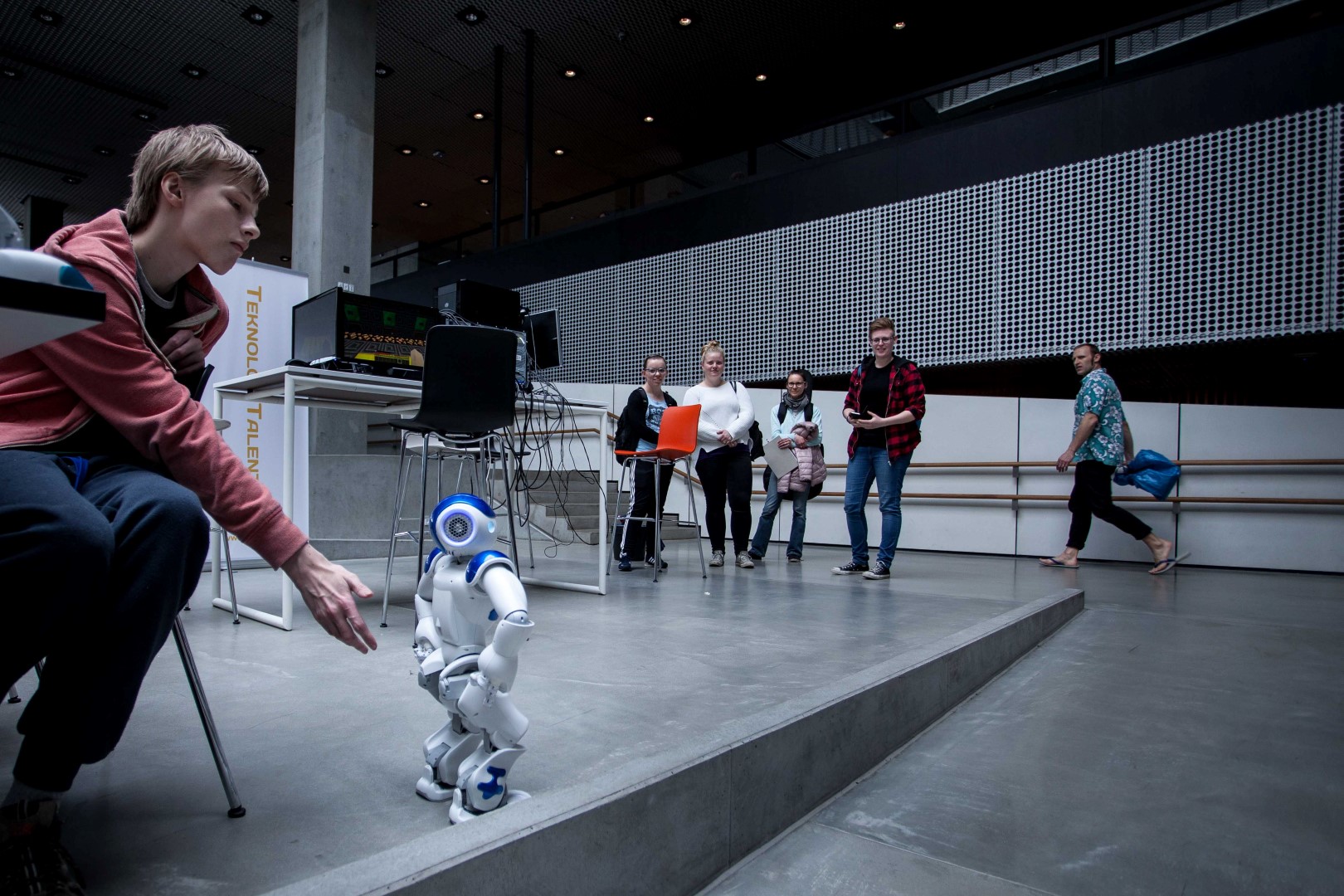
The theme on our Facebook page this week is “playful tech” and while we have stayed mostly on the surface level, it is closely tied to deeper and more profound questions about the role of technology in our lives.
The week began with one of Simone Giertz’ wonderful, silly videos of her “shitty robots”:
I’d argue that it’s not just fun and robots, however. When Simone builds her ridiculous robots, she challenges what we usually take for granted about technology. She breaks down the “slickness”, lays bare the inner workings and questions our expectations that technology should look good and work well, fulfilling clearly defined purposes. Perhaps there’s a sort of “Verfremdungseffekt” in play here, an estrangement from what is otherwise common, a friction that invites us to think differently about technology. It’s a bit like these playful, but ultimately useless designs.
This kind of tinkering and playing might lead to a more substantial investigation of the relationship between technology and the very essence of being human. For many years now, we have been so excited about the evolution of ever more impressive technological advances that it have seemed almost heretic to ask if it’s too much, or if we’re losing touch with what matters most. As Professor Genevieve Bell asks: In our focus on the digital, have we lost our sense of what being human means?
“I know we can still shape that world, and make it into a place which reflects our humanity, our cultures and our cares. We have done so before, and we can do so again. It requires that we enter a conversation about the role of technology in our society, and about how we want to navigate being human in a digital world. I think we have a moral obligation to do just that, to shape a world in which we might all want to live.”
Since play is essentially an enduring investigation of what it means to be human, we suggest that play is how we might recalibrate our compass to reestablish our bearings in the world. Play to wake your curiosity, to go exploring, to ask questions, to see the world differently, to connect more deeply with strangers, to dare to be you – play to allow yourself to be human.
Play is a human superpower and a celebration of our capacity to act; or in the words of Thomas S. Henricks, “Play makes people aware of their capacities for social agency”. Instead of simply adopting play to create more satisfying ways to interact with technology, we should investigate the more subversive, rebellious side of play. This resonates with a talk given by play scholar Miguel Sicart at the PlayTrack conference, where he argued that we have ceded far too much power to automated algorithms that are rapidly eroding the entire foundation upon which our societies are built:
"we live with aliens! This is automated high frequency trading algorithms. They're agents, they're not just in the world, they create the world" @miguelsicart #PlayTrack pic.twitter.com/Pi2ZD6ieMs
— Mathias Poulsen (@mathiaspoulsen) December 5, 2017
Can we use play to "reclaim automated futures"? Engaging in play to renegotiate the rules & conditions of our lives? @miguelsicart #PlayTrack pic.twitter.com/9G3GnUsoNo
— Mathias Poulsen (@mathiaspoulsen) December 5, 2017
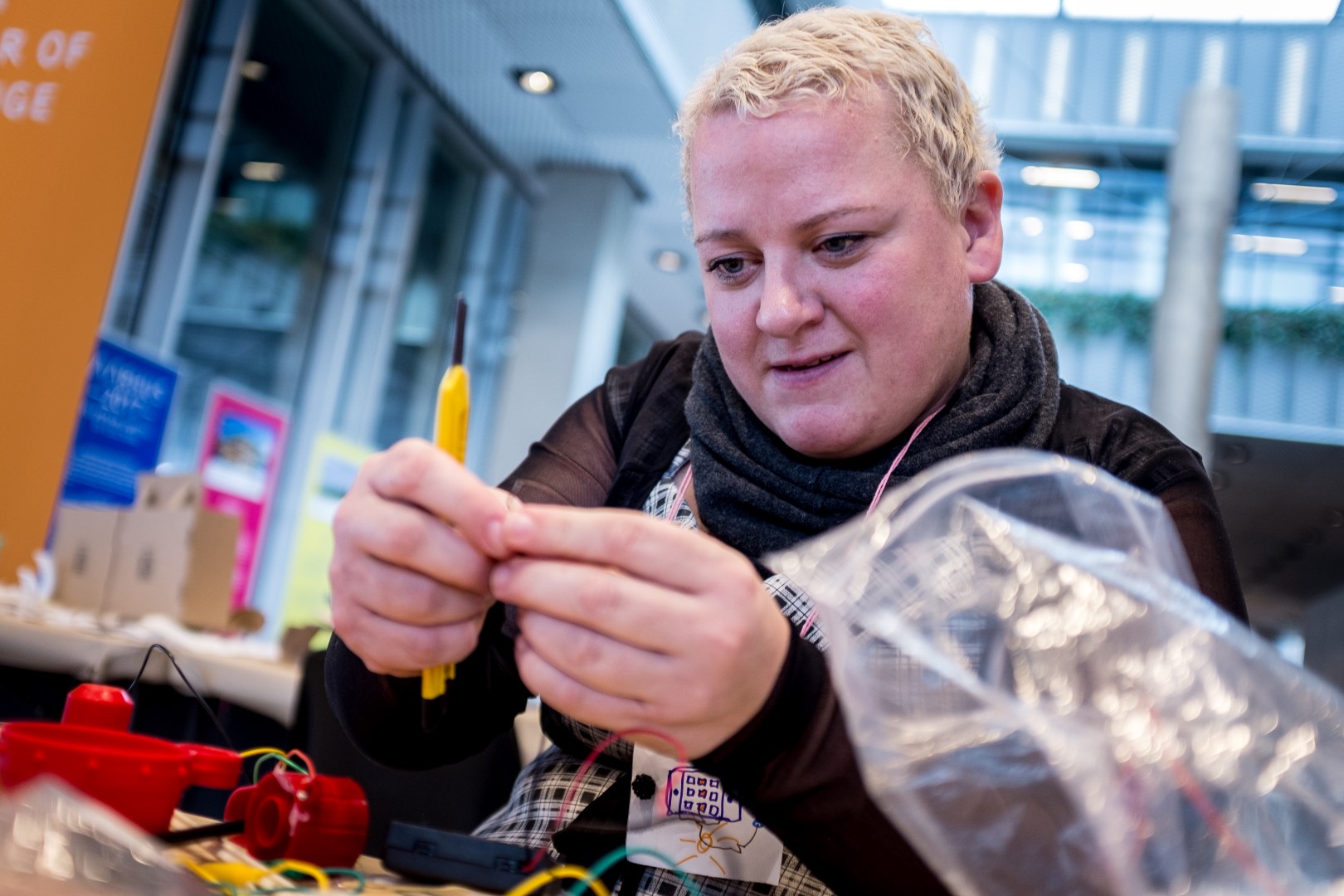
If we are ever to rebel against the algorithms, we should bring our most subversively playful selves. When we’re playful, we’re less inclined to accept technology at face value, more eager to ask questions, to take it apart, to insist that things could be different and that we could be more human, not less, during the rise of AI and automation.
Here’s certainly a topic for further investigation, and we’re currently looking into organising a special CounterPlay Tech event (let us know if you want to be part of this).
What’s your take? How can we playfully subvert the agenda, fostering human agency and recalibrating
[/et_pb_text][/et_pb_column][/et_pb_row][/et_pb_section]