Blog

  • Play Against Instrumentalization

    Play Against Instrumentalization

    [et_pb_section fb_built=”1″ _builder_version=”3.19.2″][et_pb_row _builder_version=”3.19.2″][et_pb_column type=”4_4″ _builder_version=”3.19.2″ parallax=”off” parallax_method=”on”][et_pb_text _builder_version=”3.19.2″]

    I have written before about the horrors of the “ROI society” in which we live, and in a more recent post, I argued that “play resists “instrumentalization”, reminding us that some actions are undertaken with no rewards or external purpose in mind. Play is the primary purpose of play.

    This calls for some unpacking, as I believe it will prove to be an essential part of the argument I’m slowly trying to make.

    If we have no aspiration outside economic achievements, is there even room or reason for democracy to exist? It can’t all be quid pro quo and return on investment. Democracy has to do better than that.

    I believe that if democracy is to thrive, to mean something again, we have to learn how to insist on principles, ideas, thoughts and activities with inherent value, regardless of their financial value.

    Danish professor of psychology, Svend Brinkmann, is frequently arguing against the dominating logic of instrumentalization:

    “I will argue that instrumentalization in our time has become so pervasive that it threatens other ways of thinking, which are far more fundamental in regards to living a good and meaningful life. Instrumentalization effortlessly cover that which is actually meaningful” (my translation).

    He even mentions play as an example a phenomenon that exists outside the realm of instrumentalization, an “autotelic activity”, something that “has a purpose in and not apart from itself”.

    I also found this theme in Wendy Brown’s harsh criticism of neoliberalism in “Undoing the Demos”:

    “As economic parameters become the only parameters for all conduct and concern, the limited form of human existence that Aristotle and later Hannah Arendt designated as “mere life” and that Marx called life “confined by necessity” — concern with survival and wealth acquisition — this limited form and imaginary becomes ubiquitous and total across classes. Neoliberal rationality eliminates what these thinkers termed “the good life” (Aristotle) or “the true realm of freedom” (Marx), by which they did not mean luxury, leisure, or indulgence, but rather the cultivation and expression of distinctly human capacities for ethical and political freedom, creativity, unbounded reflection, or invention.”

    She goes on, showing also how the neoliberal logic inevitably leads to the death of democracy:

    “the normative reign of homo oeconomicus in every sphere means that there are no motivations, drives, or aspirations apart from economic ones, that there is nothing to being human apart from “mere life.” Neoliberalism is the rationality through which capitalism finally swallows humanity—not only with its machinery of compulsory commodification and profit-driven expansion, but by its form of valuation. As the spread of this form evacuates the content from liberal democracy and transforms the meaning of democracy tout court, it subdues democratic desires and imperils democratic dreams.”

    I honestly feel chills run down my spine when I read this. It’s pure dystopia, as if taken straight from the most terrifying future scenario even the most skilled sci-fi writer could come up with. Only difference is, it’s real, here and now.

    Judith Butler presents a similar argument in “Notes Toward a Performative Theory of Assembly”:

    “we are in the midst of a biopolitical situation in which diverse populations are increasingly subject to what is called “precaritization.” Usually induced and reproduced by governmental and economic institutions, this process acclimatizes populations over time to insecurity and hopelessness; it is structured into the institutions of temporary labor and decimated social services and the general attrition of the active remnants of social democracy in favor of entrepreneurial modalities supported by fierce ideologies of individual responsibility and the obligation to maximize one’s own market value as the ultimate aim in life.”

    “the obligation to maximize one’s own market value as the ultimate aim in life” – is that really all we can ever hope for?

    It’s quite popular to see play as an instrument to achieve lots and lots of things, from learning and creativity over a wretched from of “resilience” to economic growth and maximizing “one’s own market value”. Now, there can indeed be worthwhile and valuable outcomes of play, but if that’s our primary concern, we misunderstand play altogether.

    We need to look at play through a different prism. Like Miguel Sicart in “Play Matters“, I too see “play as a struggle against efficiency, seriousness, and technical determinism.”.

    Play does not care in the least about all these quantifiable outcomes or results. Instead, play teaches us to stop obsessing over all of that, as it only really thrives when we dare to stop thinking about the returns on our playful investments. When play happens like that, all anyone cares about is that moment, that shared experience of being in play together.

    As such, play might be the antidote we so desperately need. Maybe play can remind us that the otherwise widespread instrumentalization can be resisted? That there is indeed more to life and to democracy than maximizing profits?

    Even in the bleakest moments, I hope so. On the best of days, I actually think it might just be possible, but only through collective action, rooted in (play) communities. 

    [/et_pb_text][/et_pb_column][/et_pb_row][/et_pb_section]

  • The Politics of Play

    The Politics of Play

    [et_pb_section fb_built=”1″ _builder_version=”3.19.2″][et_pb_row _builder_version=”3.19.2″][et_pb_column type=”4_4″ _builder_version=”3.19.2″ parallax=”off” parallax_method=”on”][et_pb_text _builder_version=”3.19.2″]

    Some might say that this whole thing about “play and democracy” is a misunderstanding, forcing play into a space, where it doesn’t belong: the realm of politics.

    Having said before that there’s no forcing play, obviously I want to avoid that. I really, really want to avoid that.

    The thing is, though, that play is already always political. In fact, it could be argued that play is indeed more political than contemporary politics as it is taking place in parliaments and similar institutions.

    How is that?

    Several political theorists have described how we’re now living in an era of “post-politics” or “post-democracy”, as Colin Crouch describes the situation in his “Post-Democracy” from 2004:

    “The fundamental cause of democratic decline in contemporary politics is the major imbalance now developing between the role of corporate interests and those of virtually all other groups. Taken alongside the inevitable entropy of democracy, this is leading to politics once again becoming an affair of closed elites, as it was in pre-democratic times.”

    Chantal Mouffe elaborates:

    “Politics therefore has become a mere issue of managing the established order, a domain reserved for experts, and popular sovereignty has been declared obsolete. One of the fundamental symbolic pillars of the democratic ideal – the power of the people – has been undermined because post-politics eliminates the possibility of an agonistic struggle between different projects of society which is the very condition for the exercise of popular sovereignty”

    The “hegemony of neoliberalism” has effectively eliminated the space for democratic plurality, and without that, there are no politics to be conducted, only technicalities to be “managed” by “experts”.

    In the words of Lynne Segal:

    “Neoliberalism has had one remarkable success, despite all its own contradictions and disasters. Its extraordinary victory has been ideological: it has convinced so many that its version of predatory, corporate capitalism is inescapable; that political resistance is inevitable.”

    This is often expressed as the “politics of necessity”, even by politicians, which seems strange when you think about it, since they thus effectively contribute to the undermining of democracy and the space for doing politics. Politicians against politics, quite the slogan, huh. That’s where we are, however, at an unfortunate and undesirable impasse where the traditional realm of politics leaves little room for the political.

    [/et_pb_text][et_pb_image src=”http://www.counterplay.org/wp-content/uploads/2019/01/LegeEdCamp-4644-9-Large.jpg” _builder_version=”3.19.2″][/et_pb_image][et_pb_text _builder_version=”3.19.2″]

    What about play, then?

    For starters, play won’t ever accept the politics of necessity.

    Reawakening our imagination, lifting our spirits, bringing us hope, play is political precisely because it insist that there are always alternatives, other ways of living, and it encourages us to explore these possible worlds together. Play is, according to a definition by game scholars Katie Salen and Eric Zimmerman in “Rules of Play”, “free movement within a more rigid structure”. While I don’t intend to wade into any lengthy discussion of definitions, I contend that play can’t ever exist without some degree of “free movement”. Absent such freedom, we risk entering into what Huizinga dubbed “false play” in “Homo Ludens”, further unpacked by Thomas S. Henricks as “that perversion of human creativity that occurs when organizations take over and manage play for their own ends”.

    Hence, when Judith Butler argue that:

    “The ethical question, how ought I to live? or even the political question, how ought we to live together? depends upon an organization of life that makes it possible to entertain those questions meaningfully.”

    …I propose that play allows for such an “organization of life”. When we play, we, explicitly or implicitly, ask and examine those questions of how to live and to live together. This takes me back to that quote from Henricks I used in the first post of this series:

    “I argue that play is that social laboratory. When we play with others, we create and administer a publicly acknowledged reality () When people agree on the terms of their engagement with one another and collectively bring those little worlds into being, they effectively create models for living.”

    Furthermore, play resists “instrumentalization”, reminding us that some actions are undertaken with no rewards or external purpose in mind. Play is the primary purpose of play. Play also has a profound social dimension, refusing to embrace the individualism also brought by neoliberalism (see “Recognizing the Other”).

    For these reasons, and many more yet to be examined, I don’t consider it a heretic act to connect play and democracy. Play is political by nature and I believe that if we set it free and follow its path, play might lead us to a radically different way of doing democracy and living together.

    [/et_pb_text][/et_pb_column][/et_pb_row][/et_pb_section]

  • Recognizing the Other

    Recognizing the Other

    [et_pb_section fb_built=”1″ _builder_version=”3.19.2″][et_pb_row _builder_version=”3.19.2″][et_pb_column type=”4_4″ _builder_version=”3.19.2″ parallax=”off” parallax_method=”on”][et_pb_text _builder_version=”3.19.2″]

    I recently asked if play can save democracy, marking the first steps on my journey to explore what I already at the outset consider a deep kinship shared by play and democracy. As promised, there is no clear answer in sight, but some patterns and questions are surfacing.

    One such theme revolves around equality and “recognizing the other”, seeing eye to eye across our differences. Equality is traditionally considered a “pillar of the democratic ideal” (Mouffe, 2018), and “participatory democracy underlines the need to create the conditions for real equality” (della Porta, 2013). What happens, then, when we find ourselves in a situation where the following questions, asked by Judith Butler, are acutely pressing:

    “Which humans count as the human? Which humans are eligible for recognition within the sphere of appearance, and which are not?”

    And she continues:

    “The very fact that I can ask which humans are recognized as human and which are not means that there is a distinct field of the human that remains unrecognizable, according to dominant norms”

    This (widespread!) unwillingness to recognize “the other” is poison to democracy.

    In “Not for Profit: Why Democracy Needs the Humanities”, Martha Nussbaum argues that the humanities can teach us to “imagine sympathetically the predicament of another person” and that this is indeed a fundamental prerequisite for any democracy:

    “When we meet in society, if we have not learned to see both self and other in that way, imagining in one another inner faculties of thought and emotion, democracy is bound to fail, because democracy is built upon respect and concern, and these in turn are built upon the ability to see other people as human beings, not simply as objects.”

    Some would say that this is only possible in homogenous societies, where “respect and concern” are expected to somehow emerge from a shared history and culture. I strongly disagree with this notion, however, and Nussbaum’s argument is, by no means, a call for homogeneity. On the contrary, I believe she assumes that society is already heterogeneous and diverse, but that we can – and must! – learn to embrace and appreciate this diversity.

    We must trust that the other, because without trust, democracy is impossible.

    [/et_pb_text][et_pb_text _builder_version=”3.19.2″]

    The same can indeed be said for play. Without trust, we can’t play together. On the contrary, play thrives when we allow ourself to be present in the moment, to show vulnerability, to be open to whatever might happen. There’s a strong sense of “togetherness” in play, as I wrote a while ago:

    “Play only works if we’re simultaneously aware of the needs of ourself and the other. It’s a dance, back and forth, looking into yourself and reaching out into the world () play becomes a demonstration of empathy, an exploration of being together in ways that respect us all. Play is a lesson in humanity, a gentle reminder of all the things we have in common across age groups, nationalities, religions, socio-cultural backgrounds and other differences that usually keep us apart.”

    Or as my friend Bernie wrote so beautifully in “A Playful Path”:

    “When we are playing together, despite our differences, we celebrate a transcendent sameness, a unity that underlines the illusion of our separateness. You could call this an act of love – an enacted love that lets us keep the game going. Many acts of love, in fact, many acts of compassion, caring, trust, assurance.”

    This resonates with play scholar Stuart Brown, who writes that “taking part in this play is a way to put us in sync with those around us. It is a way to tap into common emotions and thoughts and share them with others” and continues:

    “I would claim that sustained emotional intimacy is impossible without play. This is true not only for married bliss, but for continued vitality in long-term friendships.

    “Without the various forms of social play we would find it very hard to live together. (…) Play is the lubrication that allows human society to work and individuals to be close to each other.”

    He’s far from alone in insisting that play has the capacity to radically transform and deepen our social interactions and relationships. On the contrary, it’s a recurring theme across the field of play studies.

    Can play break down the barriers between people, bringing us closer together, helping us see eye to eye?

    Yes. Yes, I sincerely believe so, and that is one reason why play can lead us to a reinvigorated democracy.

    [/et_pb_text][/et_pb_column][/et_pb_row][/et_pb_section]

  • Can Play Save Democracy?

    Can Play Save Democracy?

    [et_pb_section fb_built=”1″ admin_label=”section” _builder_version=”3.22″][et_pb_row admin_label=”row” _builder_version=”3.25″ background_size=”initial” background_position=”top_left” background_repeat=”repeat”][et_pb_column type=”4_4″ _builder_version=”3.25″ custom_padding=”|||” custom_padding__hover=”|||”][et_pb_text _builder_version=”4.4.1″ hover_enabled=”0″]

    It’s a big question and one that I’m afraid I can’t answer in the affirmative. Not yet, probably never. I’m not sure democracy can ever be saved, at least not in an ultimate sense. It’s in the nature of democracy to be more about process, ongoing negotiations, exchanges, corrections and conflicts – tedious, messy and anxiety-inducing as these may seem.

    Perhaps we should view democracy more like Alan Watts thought of life:

    “We thought of life by analogy with a journey with a pilgrimage which had a serious purpose at the end the thing was to get to that end success or whatever it is or maybe heaven after you’re there. But we missed the point the whole way along it was a musical thing and you were supposed to sing or dance while the music was being played.”


    So what if even the best we can ever do, despite gargantuan efforts, will always fall short of “saving” democracy, if we can only hope to keep it alive, or, better yet, to make it come alive? And what if that is exactly what play brings to the table – life? As my friend, the late Bernie DeKoven kept saying: “playfulness will lead us back to life itself”.

    Isn’t that worth working hard for, worth fighting for?

    I, for one, think so, and that feeling grows stronger by the day.

    While I have long been interested in play, participation, power and similar topics, I have only recently developed a more direct and explicit connection to democracy itself. I must admit that for a long time, I took democracy for granted. We know that relationships between people suffer when they take each other for granted, and any love that was there eventually withers away. The same is true for democracy, and taking it for granted, assuming it would always be there, was a big mistake, if a common one. Growing up as a white, middle class male with a decent (free!) education in a fairly solid (social) democratic welfare state like Denmark, sheer privilege didn’t allow me to see how deep trouble we’re actually in.

    As David Runciman writes in “How Democracy Ends”:

    “Contemporary representative democracy is tired, vindictive, paranoid, self-deceiving, clumsy and frequently ineffectual. Much of the time it is living on past glories”.

    Most democracies, all over the world, are in a state of crisis, and it seems deeper and more severe than many of us had assumed. The outlook is bleak:

    “The question for the twenty-first century is how long we can persist with institutional arrangements we have grown so used to trusting, that we no longer notice when they have ceased to work. () A hollowed-out version of democracy risks lulling us into a false sense of security. We might continue to trust in it and to look to it for rescue, even as we seethe with irritation at its inability to answer the call. Democracy could fail while remaining intact.” – David Runciman

    Even so, at this tense moment, it’s not too late to act (or so I have to believe), but things have to change and radically so. Once upon a time, democracy gave people hope of a better future, of more equal societies, of shared decision making, and while the future looks less bright, there’s hope still:

    “Despite democracy’s many failures, it remains a stirring dream, a fantasy, an ideal that has taken various institutional forms over time and generated hopes for creating equitable social, economic, and political arrangements now and in the future.” – Temma Kaplan

    In the face of neoliberalism’s “politics of necessity”, I am becoming radicalised, insisting instead on the possibility of a different world. Democracy is not supposed to be a dull, bureaucratic process, it’s a matter of life, joy, hope and dreams, and maybe “it is not so hard to turn the struggles for greater participatory democracy into sites of collective exhilaration, given the creativity, strength and agency we can gain from one another along the way” (Lynne Segal)?

    I have begun, slowly and without any clear destination, to chart these waters, exploring the many connections between play and democracy. It is an attempt to weave together different strands of knowledge, finding vantage points from where to survey the land, to gain numerous, diverse perspectives on both play and democracy. This thing I’m making is a patchwork, a messy one that probably won’t be much to look at, but what if we’re wrong to obsess with the aesthetics of democracy? I can’t do “polished”, but that’s a misguided goal anyway. Does it really matter how it looks, if it has the potential to transform society for the better?

    I’m not a proper researcher and this is not a proper research project, rather it is my hope that it will sit somewhere between research and practice, between the theoretical and the empirical. That is, to the best of my knowledge, the space where the most interesting and (sometimes) surprising things happen, when mind and body, ideas and experiences, collide, merge and enrich each other.

    Where do an exploration of play and democracy even begin?

    I will probably be travelling along many avenues at once, and then examine the intersections between these: looking into the empirical experiences of “play as democracy”, designing practical experiments (like CounterPlay), talking about it wit lots of different people/groups, while also reading up on the (massive) field of theory and research.

    I believe that we must be equally ambitious with both phenomena, taking them both very, very seriously on their own terms. Play is not some shallow concept we all understand because we were once (or have since had) children. On the contrary, it’s complex, ambiguous, diverse and always moving just outside the reach of our grasp. It calls for passionate, serious study and it demands hard work. The same is true for democracy. We can’t begin this journey by assuming we know what democracy is because the state we live is called a democracy, and we’d be thoroughly mistaken if we reduce it to winning a majority at election night.

    There has to be more to it, as Donatella della Porta argues in “Can Democracy be Saved?”:

    “The quality of decisions could be expected to decline with the decline in participation, as the habit of delegating tends to make citizens not only more apathetic, but also more cynical and selfish. Participation is instead praised as a school of democracy: capable of constructing good citizens through interaction and empowerment”

    I’m driven by instinct, a gut feeling and an assumption that there is something special about play when it comes to (democratic) participation. On top of that, I have seen with my own eyes what play can do, I have created arenas for this to happen, I have talked to people far more knowledgeable than me and I have read (some of) their works.

    For democracy to thrive, it must be something we *live*, an approach to life and the world, driven by a sense of agency and capacity to act in and change societies through everyday negotiations. Just like play, democracy proper is unruly, encourages participation and diversity, and keeps evolving to adapt to the needs of the people involved:

    “I argue that play is that social laboratory. When we play with others, we create and administer a publicly acknowledged reality () When people agree on the terms of their engagement with one another and collectively bring those little worlds into being, they effectively create models for living.” – Thomas S. Henricks

    What I’m hinting at is not some form of pseudo democracy or simulated democracy. It’s not about role-playing democracy (however important and meaningful that can also be!). I don’t see play as not real; “play is not detached from the world; it lives and thrives in the world” (Miguel Sicart). To me, play is democracy and to play is to act democratically.

    Following the Hero’s journey, this is the call to adventure and I hope you’ll join me. I have no idea where we’ll end up, but we can only make it together (in a very literal sense).

    [/et_pb_text][/et_pb_column][/et_pb_row][/et_pb_section]

  • Sæt legen i centrum

    Sæt legen i centrum

    [et_pb_section fb_built=”1″ _builder_version=”3.19.2″][et_pb_row _builder_version=”3.19.2″][et_pb_column type=”4_4″ _builder_version=”3.19.2″ parallax=”off” parallax_method=”on”][et_pb_text _builder_version=”3.19.2″]

    For nylig var jeg af BUPL Nordsjælland inviteret til at bidrage på en pædagogisk temadag i Hillerød, der havde fået titlen “Sæt legen i centrum“. Det var en skøn formiddag med en masse leg, refleksion og samtaler om leg. Sikke dog en herlig flok dygtige, engagerede pædagoger (og nogle andre, relaterede fagligheder), der i den grad vil legen, og som har mod på at tage livtag med de små og (meget) store udfordringer, de møder hver dag.


    [/et_pb_text][et_pb_toggle title=”Dagens program:” _builder_version=”3.19.2″]

    9.00-9.15: Velkomst og leg
    9.15-9.45: Oplæg: Leg, fællesskab og demokrati
    9.45-10.15: Fælles refleksion og samtale om leg
    10.15-10.45: Leg
    10.45-11.00: Pause
    11.00-11.15: Læreplaner – udfordringer og muligheder
    11.15-12.00: De næste skridt

    [/et_pb_toggle][et_pb_text admin_label=”Text” _builder_version=”3.19.2″]

    Vi startede med at genopfriske den vigtige §7 i den nye dagtilbudslov, hvor legen beskrives som “grundlæggende”:

    “Dagtilbud skal fremme børns trivsel, læring, udvikling og dannelse gennem trygge og pædagogiske læringsmiljøer, hvor legen er grundlæggende, og hvor der tages udgangspunkt i et børneperspektiv.”

    Der er en øget opmærksomhed på legen lige nu, og det bør vi fejre og glæde os over, men det kræver samtidig en stor indsats af alle parter, hvis de gode intentioner skal slå igennem i den pædagogiske praksis. Det kræver, at vi finder sammen i stærke “legefællesskaber”, hvor vi kan støtte og inspirere hinanden, mens vi med et kor af stemmer insisterer på legen, også som et fænomen, der vitterligt har værdi i sig selv.

    [/et_pb_text][et_pb_text admin_label=”Text” _builder_version=”3.19.2″]

    Leg, fællesskab og demokrati

    Jeg præsenterede mig, som jeg jo efterhånden har for vane, som legeaktivist, der vil gøre (næsten) hvad som helst for at få legen til at trives i samfundet. Derefter beskrev jeg hvordan jeg oplever at blive radikaliseret i disse år, hvor jeg modsætter mig “nødvendighedens politik” og i stedet insisterer på noget så uhåndgribeligt som håb og drømme. Det er især leg som livspraksis, der optager mig, og jeg arbejder ud fra en stor og umulig tese, der siger at:

    Leg er ren livsglæde, legende mennesker lever bedre liv i en kompleks, uforudsigelig verden, og samfund hvor leg trives er også samfund hvor mennesker trives

    [/et_pb_text][et_pb_text admin_label=”Slideshare” _builder_version=”3.19.2″]

    [/et_pb_text][et_pb_text _builder_version=”3.19.2″]

    Skal jeg fremhæve noget fra fra mit indledende oplæg om leg, fællesskab og demokrati, så må det være legens demokratiske potentiale. Eller måske snarere legens demokratiske natur.

    Demokratiet er jo højt prioriteret i loven om dagtilbud, og det hedder blandt andet at:

    ”Dagtilbud skal give børn medbestemmelse, medansvar og forståelse for og oplevelse med demokrati. Dagtilbud skal som led heri bidrage til at udvikle børns selvstændighed, evner til at indgå i forpligtende fællesskaber og samhørighed med og integration i det danske samfund”

    Og vi finder noget lignende i folkeskolens formålsparagraf (som i mine øjne også kalder på mere leg):

    “Stk. 3. Folkeskolen skal forberede eleverne til deltagelse, medansvar, rettigheder og pligter i et samfund med frihed og folkestyre. Skolens virke skal derfor være præget af åndsfrihed, ligeværd og demokrati.”

    Hvordan kan vi øve os i demokrati? Det kan vi selvfølgelig ved at lege med hinanden. Som den amerikanske legeforsker, Thomas S. Henricks, påpeger, så forhandler vi i legen med hinanden måder at leve sammen på:

    “When people agree on the terms of their engagement with one another and collectively bring those little worlds into being, they effectively create models for living”

    [/et_pb_text][et_pb_image src=”http://www.counterplay.org/wp-content/uploads/2019/02/BUPL-4852-2-2-Large.jpg” _builder_version=”3.19.2″][/et_pb_image][et_pb_text _builder_version=”3.19.2″]

    Disse “frie forhandlinger” kan selvfølgelig sagtens føre til sammenstød og gnidninger, som man skal lære at håndtere for at kunne blive demokratisk medborger:

    ”Dagtilbud er et socialt fællesskab, hvor alle er deltagere og lærer at navigere i konflikter og håndtere dem”

    Her er det vigtigt, at børn (og voksne) lærer at praktisere det, Helle Marie Skovbjerg kalder “kvalitetsstridigheder”:

    ”Kvalitetsstridigheder er præcis dem, der gør, at man pludselig kan vise egne ideer til legen bedre, fordi man må insistere på dem, eller når man pludselig møder andres positioner og opdager, at de er interessante eller udfordrende. Stridighederne åbner med andre ord ens øjne for, at tingene kunne være anderledes.”

    Det kalder på legekompetence, som det fremhæves hos Herdis Toft:

    “At lege godt kræver stor legekompetence blandt udøverne. Opøvelse i legekompetence er samtidig opøvelse i demokrati”

    Her talte vi om, hvordan man støtter børns udvikling af legekompetence på måder, der ikke underminerer legen. Det blev også påpeget, at børn har forskellige forudsætninger for at blive kompetente legere, og at nogle børn har brug for mere støtte end andre, når pædagogerne møder dem i dagtilbud og skole (ligesom med så meget andet, kan man sige).

    Det er måske værd at tage med, at Herdis i øvrigt forholder sig temmelig kritisk til mulighederne for, at denne “opøvelse” faktisk kan foregå i dagtilbud og skoler:

    “Dette anerkendes ikke i dag af de statsligt styrede institutioner, som danner ramme om børns leg. Tværtimod forsøger man ofte at styre de legendes ustyrligheder ved at sætte regler op, som ikke står til forhandling. Man modarbejder den demokratiseringsproces, som det ellers er institutionens erklærede mål at fremme”

    [/et_pb_text][et_pb_image src=”http://www.counterplay.org/wp-content/uploads/2019/02/BUPL-4868-9-2-Large.jpg” _builder_version=”3.19.2″][/et_pb_image][et_pb_text admin_label=”Dømmekraft” _builder_version=”3.19.2″]

    For faglig dømmekraft

    Det der bliver afgørende for, at alt dette kan bringes i spil, og at legen kan trives, det må være den faglige dømmekraft hos den professionelle, myndiggjorte pædagog. I sidste ende er det pædagogen der, sammen med børnene, må afgøre hvad der giver legen – og børnene – de bedste muligheder for at trives.

    Heldigvis taler man i “Master for en styrket pædagogisk læreplan” også om det faglige råderum:

    “De brede pædagogiske læringsmål skal derfor formuleres, så det pædagogiske personale sikres et fagligt råderum. Det faglige råderum skal være båret af pædagogisk begrundede valg af metoder og tilgange og praksisnære evalueringsredskaber, som fremmer en faglig refleksion over læringsmiljøet”

    Det er der grund til at glædes over, men det sker næppe af sig selv, det er noget, man må insistere på, lokalt og på tværs af dagtilbud og skoler. Det er også (men absolut ikke kun) en kamp, som den enkelte pædagog må deltage i!

    Igen ser vi en parallel til legen, for ifølge Lars Geer Hammershøj, så er netop dømmekraft en særlig kraft i legen:

    ”Også i legen får man idéer med en pludselighed og spontanitet, som ikke kan styres. Den gode leg er kendetegnet ved, at dem, der leger, er gode til at bidrage til legen med noget interessant. Det kræver dømmekraft at vide, hvad der kan bidrage til legen og udvikle legen, så den bryder med det, man kender eller har gjort før”

    Både når man skal være en god “leger”, en god pædagog og en god demokratisk medborger, så er dømmekraften altså afgørende.

    Måske skal vi huske Gregory Batesons linedanser: “Linedanseren opretholder sin stabilitet ved ustandselige korrektioner af sin ubalance”. Det kræver både øvelse og dømmekraft at være en god linedanser, der hele tiden justerer sin indsats efter alle de mange sanseindtryk hjernen modtager – præcis som når vi leger. Svaret er aldrig givet på forhånd, men vejen findes i et samspil af mange faktorer, som man i situationen må vælge mellem.

    Jeg viste lidt af denne fine video, “Den store opdagelsesrejse for de helt små“, hvor (desværre nu afdøde) Kjetil Sandvik siger noget klogt om dømmekraft og læringsmål:

    “man skal ikke være så forhippet på, at det hele skal være i rammer, og planlagt ud fra læringsmål, men at man kan bruge den frie leg, og så kan man bagefter hive sine læringsmål frem og se, “jamen ramte vi nogen af dem” og så vil man nok se, at man ramte pænt mange.”

    [/et_pb_text][et_pb_text admin_label=”YouTube” _builder_version=”3.19.2″]

    https://www.youtube.com/watch?time_continue=11&v=jryxDLc4lLc

    [/et_pb_text][et_pb_text _builder_version=”3.19.2″]

    Vi drøftede også dokumentation og evaluering, som begge er vigtige, men som også kan risikere at komme i vejen for legen. Det hedder sig jo, at “en styrket pædagogisk læreplan må nødvendigvis være båret af en tydelig og ambitiøs dokumentationspraksis og en systematisk evalueringskultur.”. Det er der ikke i sig selv noget galt med, så længe det ikke bliver for tungt, stift og ødelæggende for spontaniteten og muligheden for at se det smukke i øjeblikket. Dokumentation og evaluering bør altid være sekundært og blot et (af mange) middel til at skabe bedre vilkår for børnenes trivsel, udvikling og liv. Måske skal vi tale mere om “nysgerrighedskultur”, for egentlig handler det vel om, at vi skal være systematisk nysgerrige på, hvad der giver mening i den konkrete, lokale sammenhæng, og bør have en åben, undersøgende praksis, der fastholder og bygger på det meningsfulde.

    Spørgsmål og gode idéer:

    Til allersidst bad jeg alle om at skrive (mindst) én post-it med et spørgsmål, de ville diskutere med deres kolleger eller en idé, de ville gå hjem og prøve af. Også her var det meget tydeligt, hvor meget alle de her legesyge mennesker har på hjerte.

    [/et_pb_text][et_pb_image src=”http://www.counterplay.org/wp-content/uploads/2019/02/BUPL-4876-13-2-Large.jpg” show_in_lightbox=”on” admin_label=”Post-its” _builder_version=”3.19.2″][/et_pb_image][et_pb_toggle title=”Se blot alle de spørgsmål der blev stillet, idéer der blev skabt og intentioner der blev delt:” _builder_version=”3.19.2″]

    Sætte fokus på hvorfor vi gør som vi gør som pædagoger?
    Forældre på banen ift. at lege med deres børn.
    Tilbage til at lege ligesom i “gamle dage”.
    Demokrati og leg
    Hvordan kan vi inddrage og informere forældrene?
    Voksne som rollemodel
    Hvordan understøtter vi de spontane elementer i en leg i stedet for at fokusere på rammer og regler?
    Hvordan bliver voksne de bedste rollemodeller for udvikling af leg?
    Mere fokus på at legen er en værdi i sig selv.
    Formidle hvor god og givende legen er til forældrene.
    Er legen grundlæggende?
    Hvordan vi fagligt får formidlet at leg giver social kompetence
    Hvordan får vi de udsatte børn mere med i legen – så de udvikler deres legeglæde?
    Hvordan får vi fanget ungernes kreativitet, fantasi og opfindsomhed til at starte LEG?
    Hvordan kan vi som pædagoger være med til at sætte legen i højsædet? Vi skal insistere!!!
    Hvordan skal pædagoger tale (råbe) om legen?
    Fokus på legens værdi for både børn og voksne
    Vi vil have mere kreativ tænkning og opfindsomhed. Børn skal være med til at sætte dagsordenen i klubben.
    Jeg vil forsøge at lave det legende alternativ i undervisningen.
    Hvordan skaber jeg/vi et legelaboratorie i skolen?
    Skabe modstand, insistere på at der ikke kun findes én vej, et opgør med nødvendighedens politik
    Fra måling til faglig vurdering?
    Legen i skolen, i fagene, i fritiden
    Tage det alvorligt at legen er grundlæggende og starte der, når man fx skal arbejde med læringsmål.
    Hvordan imødekommer skole/SFO børns behov for leg?
    Leg på dagsordenen på personalemøder, forældremøder, temaaftener.
    Tage leg op på vores P-møder til videre diskussion og refleksion.
    At være medskaber af legeuniverser.
    Skal alle kunne lege?
    Hvordan kan vi se, at børnene leger godt?
    Udvikle lege(lærings)miljøer 🙂
    “Fri leg” – hvad er det?
    Husk nysgerrigheden!
    Hvordan insistere på det faglige råderum og den faglige dømmekraft?
    Det fungerer bedst, når vi som voksne er med og er tilstede!!
    Slip kontrollen i legen.
    Gør noget nyt, gør noget andet 🙂
    Pædagogen som linedanser
    Vi skal overlevere alle de gamle fælleslege til børnene. De lærer dem ikke af sig selv.
    Hvor meget skal voksne (lærere, pædagoger og forældre) bestemme børns legerelationer og med hvilket formål?
    Slip kontrollen!

    [/et_pb_toggle][et_pb_text _builder_version=”3.19.2″]Der er jo, mildest talt, nok at tage fat på, og jeg håber, at bare nogle af disse spørgsmål bliver stillet og nogle af intentionerne bliver realiseret i den kommende tid.

    Især håber jeg, at der bliver kæmpet for det faglige råderum og den professionelle dømmekraft, så der bliver plads til legen med al dens uforudsigelighed, spontanitet og glæde – og jeg vil selvfølgelig gøre hvad jeg kan for at bidrage til den kamp.
    [/et_pb_text][et_pb_toggle title=”Lege vi legede:” _builder_version=”3.19.2″]

    Hilseleg: Hver deltager giver hånd og hilser på en af de andre deltagere, og må først give slip på hånden, når de har fat i en tredje persons hånd.

    Babbling eller “Pludre, plapre, sludre, skvadre, vrøvle”: Deltagerne taler sammen, to og to, om et vilkårligt emne. Den ene taler i 30 sekunder, og så den anden. Man skal ikke tænke for meget, men bare plapre løs.

    What has changed?: Deltagerne stiller sig op på to rækker overfor hinanden, og ser godt på den person man står overfor. Den ene rækker vender sig rundt, mens dem i den anden række ændrer noget ved sig selv. Nu skal den første række vende sig om igen, og gætte, hvad den anden person har ændret.

    Colombian Hypnosis: Den ene er hypnotisør, og hypnotiserer den anden til at følge sin hånd, der holdes op foran den hypnotiseredes ansigt.

    Prui

    [/et_pb_toggle][et_pb_toggle title=”Links og tekster” _builder_version=”3.19.2″]

    Hansen, D. R. og Toft, H.: Ustyrlighedens Paradoks

    Jensen, V. B.: En Kraft i legen og dannelse (med Lars Geer Hammershøj)

    Møller, H. H., Ida Halling Andersen, I. H., Kristensen, K. B. og Rasmussen, C. S.: Leg i Skolen

    Niss, K.: Til forsvar for nysgerrigheden

    Poulsen, M.: Det Legende Menneske som Dannelsesideal

    Poulsen, M.: Demokratiske Legelaboratorier

    Skovbjerg, H. M. : Perspektiver på Leg

    Toft, H.:Leg som ustyrlig deltagelseskultur – eller fortællingen om det demokratiske æsel

    [/et_pb_toggle][et_pb_image src=”http://www.counterplay.org/wp-content/uploads/2019/02/BUPL-4873-12-2-Large.jpg” _builder_version=”3.19.2″][/et_pb_image][/et_pb_column][/et_pb_row][/et_pb_section]
  • Tanker fra en ”LegeEdCamp”

    Tanker fra en ”LegeEdCamp”

    [et_pb_section fb_built=”1″ _builder_version=”3.19.2″][et_pb_row _builder_version=”3.19.2″][et_pb_column type=”4_4″ _builder_version=”3.19.2″ parallax=”off” parallax_method=”on”][et_pb_text _builder_version=”3.19.2″]

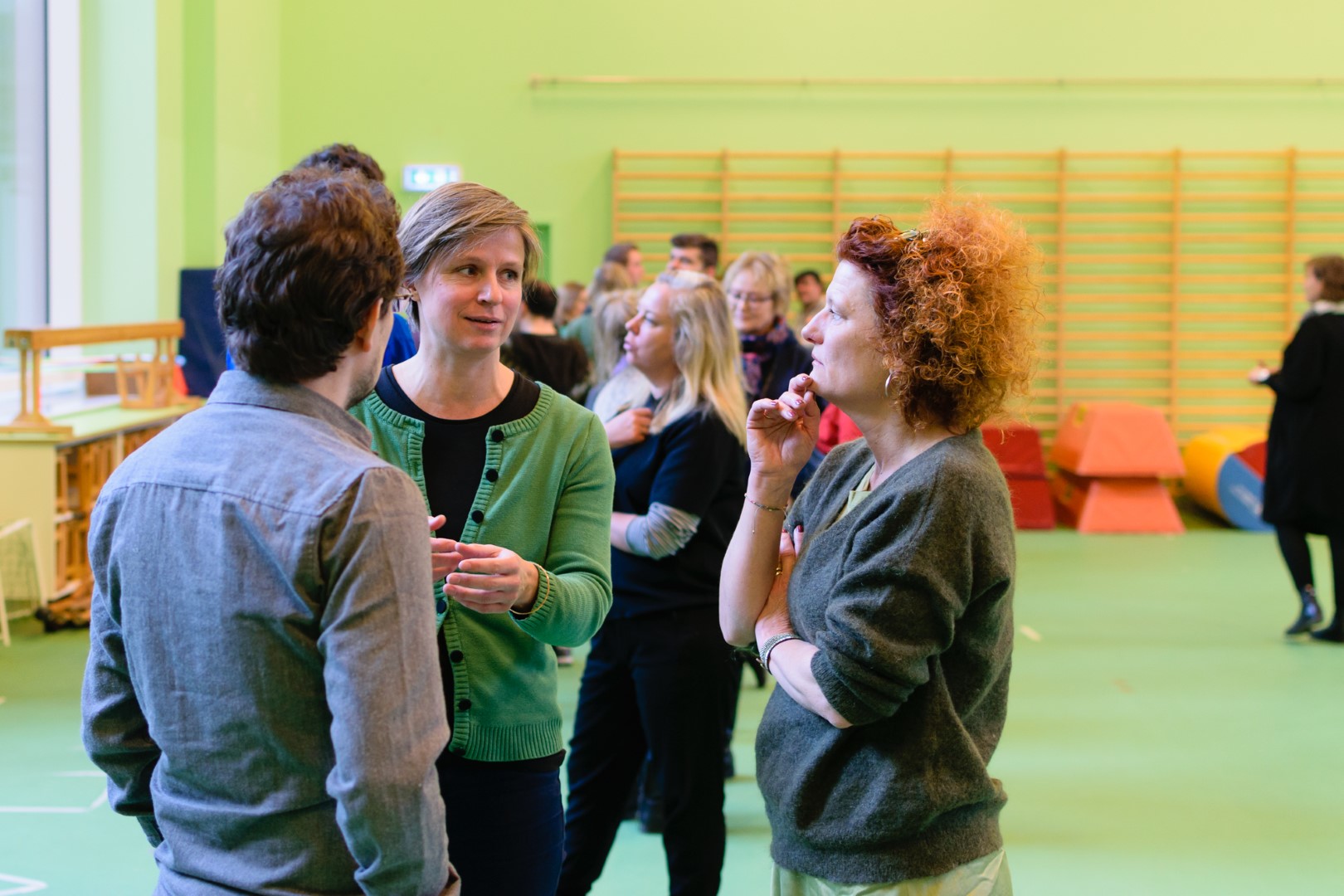
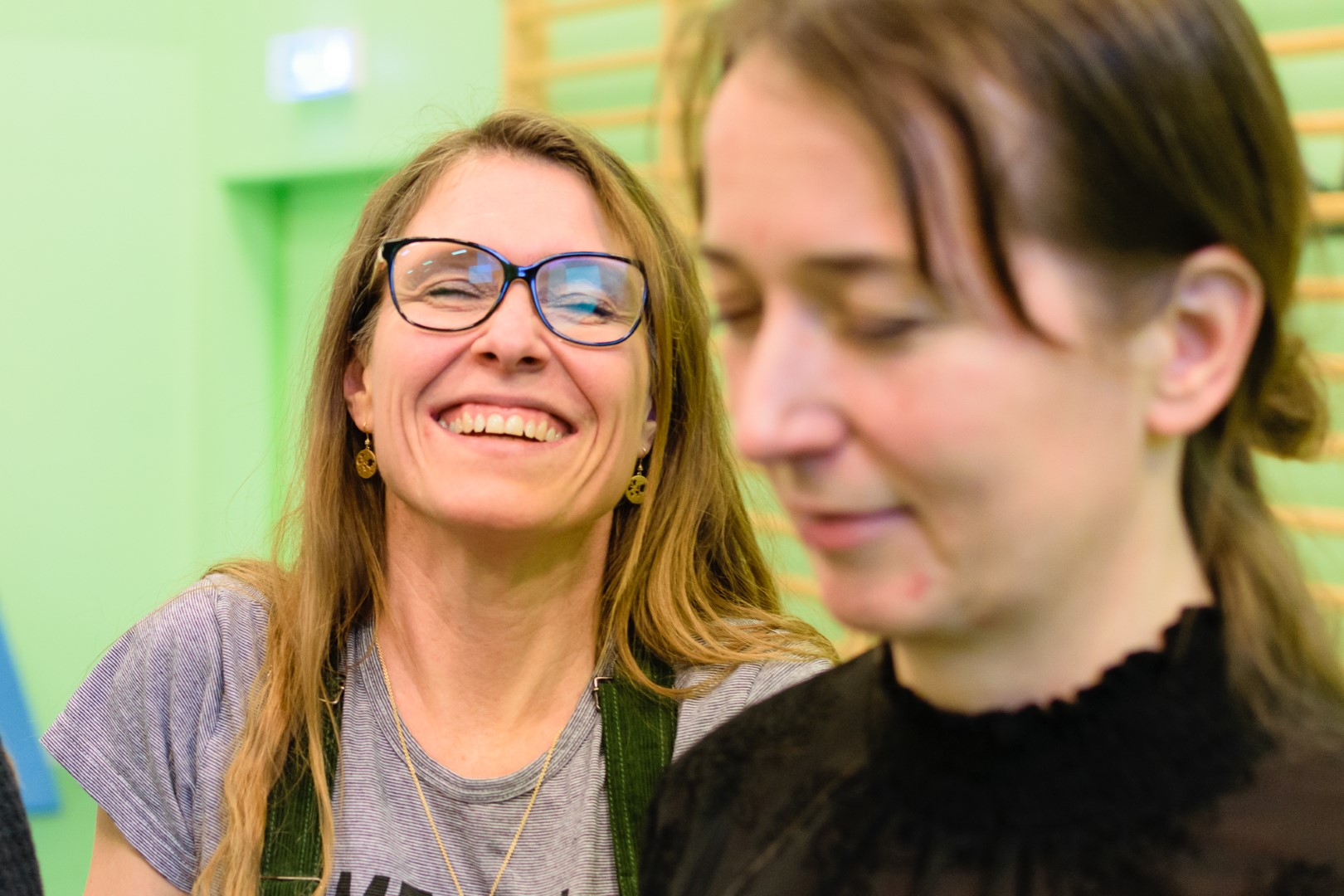
    I lørdags havde jeg sammen med gode legekammerater samlet en flok legesyge mennesker på Københavns Professionshøjskole: Campus Carlsberg til den første danske ”LegeEdCamp”. De gode folk hos BUPL havde gavmildt støttet med penge til forplejning, så dagen var gratis for alle, og vi sætter i det hele taget stor pris på deres store opbakning til legen. Vi havde især inviteret dem, der beskæftiger sig med pædagogik, og selvom det gav en grad af fælles fokus, så var der samtidig mange forskellige spændende perspektiver repræsenteret.

    Igen blev jeg bekræftet i, at der altså findes mange, som deler min dybe kærlighed til legen, og som passioneret dedikerer tid og energi til at forbedre legens vilkår. Sådan en oplevelse er med til at holde håbet oppe i lang tid, også når er svært (og det skal jeg lige love for, at det ofte er).

    [/et_pb_text][et_pb_image src=”http://www.counterplay.org/wp-content/uploads/2019/01/LegeEdCamp-4634-4-Large.jpg” _builder_version=”3.19.2″][/et_pb_image][et_pb_text admin_label=”Om Edcamp” _builder_version=”3.19.2″]

    Hvorfor en ”LegeEdCamp”, og hvad er det overhovedet for noget??

    En ”EdCamp” er et amerikansk fænomen, som vi er nogle græsrødder, der ”importerede” for 5-6 år siden. Vi var inspirerede af, hvordan EdCamp voksede frem som en reaktion mod de traditionelle konferencer, hvor få talte og mange lyttede. På en EdCamp er der derfor ikke noget på forhånd fastlagt program med en lang talerække, men der er blot et tomt ”grid” eller ”gitter”, som man sammen fylder ud med de emner, deltagerne gerne vil tale om og undersøge.

    Det lyder måske lidt mærkeligt, og det har da også vist sig, at man skal opleve en EdCamp, før man helt forstår formatet. Alligevel er det nu ikke så indviklet, for det er jo bare et spørgsmål om, at man i fællesskab beslutter, hvad dagen skal handle om.

    Formatet passer ret godt til netop leg, fordi en EdCamp også af natur er åben, drevet af deltagerne og ikke fører frem til nogen forudsigelig og på forhånd fastlagt destination. Man ved altså aldrig helt hvor man ender eller hvad der kommer ud af legen, og det er man nødt til at acceptere. Det er vi ikke altid så gode til, for vi forventer et klart udbytte, men så må vi jo øve os og sammen gå på opdagelse i det, vi ikke helt kender, forstår eller kan styre. Ellers bliver vi aldrig rigtigt klogere eller kommer videre.

    [/et_pb_text][et_pb_toggle title=”Dagens Program” _builder_version=”3.19.2″]

    9.30-10.00: Kaffe og ankomst
    10.00-10.20: Velkomst // leg
    10.20-10.50: Korte oplæg (ved Hasse Møller og Mathias Poulsen)
    10.50-11.20: Udvikling af grid/program (inkl. pause og leg)
    11.30-12.15: Runde 1
    12.15-13.00: Frokost // Leg
    13.00-13.45: Runde 2
    13.45-14.15: Pause // Leg
    14.15-15.00: Runde 3
    15.00-15.45: Faciliteret opsamling
    15.45-16.00: Afslutning og tak for i dag med bobler

    [/et_pb_toggle][et_pb_image src=”http://www.counterplay.org/wp-content/uploads/2019/01/LegeEdCamp-4644-9-Large.jpg” _builder_version=”3.19.2″][/et_pb_image][et_pb_text admin_label=”Oplæg” _builder_version=”3.19.2″]

    Vi lagde ud med en leg, selvfølgelig, efterfulgte af en introduktion til EdCamp-formatet inden jeg holdt et kort oplæg om leg som livspraksis, myndiggørelse, deltagelse, agens, legefællesskaber og demokrati. I mine øjne er leg jo netop udtryk for levende demokratiske forhandlinger, og jeg tror, at legen rummer kimen til en revitalisering af vores stivnede demokrati (du kan hente min præsentation her og læs også gerne mit blogindlæg om leg og demokrati).

    Nå, men vi skulle naturligvis videre i teksten, og Hasse (Møller fra Københavns Professionshøjskole) havde forberedt en leg, hvor deltagerne først skulle ”lege i deres tanker”, og siden kategorisere de lege, de havde leget (i tankerne) efter Helle Marie Skovbjergs fire legestemningsperspektiver (læs hendes ”Perspektiver på Leg”, den er go’).

    [/et_pb_text][/et_pb_column][/et_pb_row][et_pb_row _builder_version=”3.19.2″][et_pb_column type=”1_2″ _builder_version=”3.19.2″ parallax=”off” parallax_method=”on”][et_pb_image src=”http://www.counterplay.org/wp-content/uploads/2019/01/LegeEdCamp-4675-16-Large.jpg” show_in_lightbox=”on” _builder_version=”3.19.2″][/et_pb_image][/et_pb_column][et_pb_column type=”1_2″ _builder_version=”3.19.2″ parallax=”off” parallax_method=”on”][et_pb_image src=”http://www.counterplay.org/wp-content/uploads/2019/01/LegeEdCamp-4678-17-Large.jpg” show_in_lightbox=”on” _builder_version=”3.19.2″][/et_pb_image][/et_pb_column][/et_pb_row][et_pb_row _builder_version=”3.19.2″][et_pb_column type=”4_4″ _builder_version=”3.19.2″ parallax=”off” parallax_method=”on”][et_pb_text admin_label=”Grid” _builder_version=”3.19.2″]

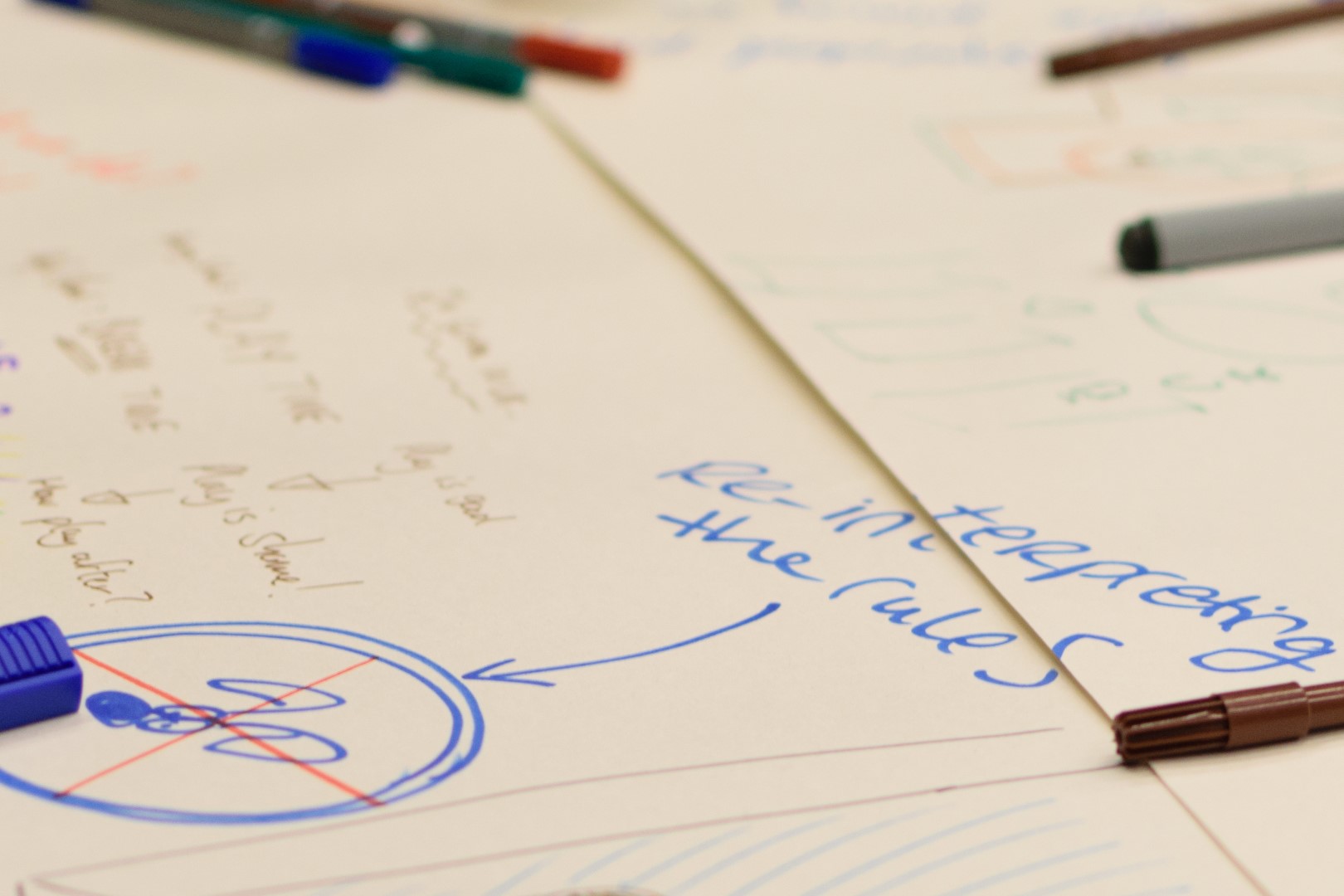
    Efter sådan en omgang opvarmning var vi kommet frem til hjertet af en EdCamp, nemlig den fælles programlægning på baggrund af deltagernes brændende interesser og spørgsmål.

    [/et_pb_text][et_pb_toggle title=”Her er nogle af de gode spørgsmål, der blev stillet undervejs:” _builder_version=”3.19.2″]

    Hvordan får man/jeg mod til at lege mere?
    Hvordan skaber man mere leg på arbejdspladsen?
    Hvordan skaber vi et fælles sprog for leg?
    Hvordan skaber vi bedre vilkår for leg i skoler?
    Hvordan kan legen redde vores demokrati?
    Hvordan får vi leg integreret i undervisningen?
    Kan man lege mens man læser?
    Hvad sker der hvis vi lader legen være styrende?
    Hvad kan leg ift. livsduelighed?
    Hvordan kan man skabe gode legefællesskaber i lokalsamfundet på tværs af alder?
    Hvad kan pædagoger særligt, og hvordan får vi andre til at se det og lære af det?
    Leg og teknologi – venner eller fjender?
    Må jeg som forælder lære mit barn at tabe, når vi leger sammen?
    Er der en rigtig måde en leg kan fungere på?
    Hvad er legekompetence?
    Hvilke præmisser har/giver vi den frie leg?
    Hvilke rolle har voksne ift. at igangsætte ”den frie leg”?
    Legegrupper – lukket eller åben?
    Leg for voksne – hvad kan åbne ”lovlighed” til leg, så den er større end fx quizzer?
    Hvad skal vi ikke lege?
    Leg med personlighed – hvorfor ændrer/begrænser vi os første gang vi møder nogen?

    [/et_pb_toggle][et_pb_image src=”http://www.counterplay.org/wp-content/uploads/2019/01/LegeEdCamp-4706-22-Large.jpg” _builder_version=”3.19.2″][/et_pb_image][et_pb_text _builder_version=”3.19.2″]

    Efter programmet var lavet blev deltagerne sluppet løs. Stem med fødderne, gå derhen hvor der er noget, som du er passioneret omkring. En EdCamp er normalt bygget op omkring samtaler, men vi lod det selvfølgelig stå folk frit for også at lege undervejs. Det afgørende er, at man i den pågældende gruppe forhandler og bliver enige om, hvad der skal ske – ligesom når vi leger.

    Personligt var jeg især involveret i tre diskussioner, nemlig om voksne og leg, om leg og demokrati, og endelig en mere tilfældigt opstået samtale om, hvordan vi skaber stærkere alliancer for legen (især i det pædagogiske felt, men også mere generelt i samfundet).

    På tværs af disse samtaler ser jeg et ret tydeligt mønster, nemlig behovet for mere mangfoldige, levende, eksperimenterende legefællesskaber. Vi kan formentlig alle mærke usikkerheden, når vi taler om leg og når vi insisterer på, at leg altså også er vigtigt for voksne. Ingen kan forandre ret meget alene, men med stærke legefællesskaber i ryggen kan meget lade sig gøre.

    Nu står jeg derfor også tilbage med en klar fornemmelse af, at der er brug for de rum, som en EdCamp skaber. Vi trænger til at puste mere liv i vores tilgange til leg, så vi både leger mere, taler mere, tænker mere og eksperimenterer mere med leg.

    [/et_pb_text][et_pb_image src=”http://www.counterplay.org/wp-content/uploads/2019/01/LegeEdCamp-4752-33-Large.jpg” _builder_version=”3.19.2″][/et_pb_image][et_pb_text admin_label=”Mere Leg” _builder_version=”3.19.2″]

    Der var nogle deltagere, der udtrykte en vis skuffelse over, at vi ikke legede noget mere. Det tager jeg naturligvis til mig, for det er da en skøn efterlysning: mere leg! Jeg synes egentlig, at vi legede ret meget, og meget mere end til de fleste arrangementer jeg deltager i, men ja, der var også meget snak (passioneret, inspirerende snak, men ord, ikke desto mindre). Mens jeg hellere end gerne vil lave mere ”rendyrkede” legearrangementer, så har jeg også bare en vis forkærlighed for de her ”rum”, hvor vi har frihed til at lege når vi vil, men hvor vi også insisterer på samtale og refleksion. Jeg kan jo desuden kun opfordre alle til at være så myndiggjorte som i legen, hvor det meste er muligt, og hvor vi alle kan handle og forme legen. Eller med andre ord: er der noget, man synes burde være anderledes, så lav et eksperiment, invitér bredt, åbent og se hvad der sker (det er min egen tilgang til det meste).

    [/et_pb_text][et_pb_image src=”http://www.counterplay.org/wp-content/uploads/2019/01/LegeEdCamp-4660-12-Large.jpg” _builder_version=”3.19.2″][/et_pb_image][et_pb_text admin_label=”Hvad nu” _builder_version=”3.19.2″]

    Hvad nu?

    Legen fortsætter, her, der og alle vegne. Vi har alle fået nye legekammerater, der forhåbentlig i lidt højere grad føler sig som en del af et mangfoldigt, levende legefællesskab.

    Med min (selvopfundne) titel som ”legeaktivist” er jeg naturligvis i fuld gang med aktivisme og eksperimenter, der (siger jeg med krydsede fingre og en stor portion håb) kan forbedre legens vilkår. Der kommer nok flere LegeEdCamps, men indtil da er der meget andet at kaste sig over. Lige om lidt afholder vi den femte udgave af CounterPlay legefestivalen, der undersøger legen med afsæt i et internationalt, ambitiøst, gavmildt og legende legefællesskab (læs mere om festivalen og se programmet). Sidste år stiftede vi en Legetænketank med en masse dygtige, engagerede forskere og praktikere, der i den grad vil legen, og som kommer til at sætte spændende skibe i søen i løbet af 2019. Om nogle uger laver jeg en workshop i for BUPL i Hillerød, “Sæt legen i centrum“, og lidt senere på foråret skal jeg lege med på Dafolos konference, ”Skal vi lege?”, i Lego Houlse i Billund.

    Jeg prøver at holde denne kalender opdateret med legearrangementer, og jeg tager gerne imod forslag til, hvordan vi bedre kan skabe synlighed omkring de mange legeaktiviteter, der finder sted rundt omkring i landet.

    I det hele taget kan jeg kun opfordre til, at man blander sig i debatten, taler legens sag, udvikler sin egen legepraksis, opdyrker legefællesskaber lokalt og kaster sig ud i sine egne legeeksperimenter.

    Sammen kan vi nemlig radikalt forbedre legens vilkår i samfundet, for både børn og voksne.

    [/et_pb_text][et_pb_text _builder_version=”3.19.2″]

    Billeder fra dagen:

    [/et_pb_text][et_pb_gallery gallery_ids=”5962,5963,5964,5965,5966,5970,5977,5979,6005,6004,6003,6002,6001,6000,5999,5998,5997,5996,5995,5994,5993,5992,5991,5990,5989,5988,5987,5986,5985,5984,5983,5982,5981,5980″ gallery_orderby=”rand” fullwidth=”on” _builder_version=”3.19.2″][/et_pb_gallery][/et_pb_column][/et_pb_row][/et_pb_section]
  • The “What/Why” of CounterPlay

    The “What/Why” of CounterPlay

    Many people ask: “What is “CounterPlay”? Why should I consider participating?”

    Both are indeed good and relevant, if tricky questions. Or, rather, the questions are fairly straightforward, but providing the answers is a tricky business.

    I always struggle a bit to come up with an appropriate reply, since it’s neither a simple thing to explain what CounterPlay is, nor why people should come and spend several days with a group of strangers, lovely and generous as they may be.

    It’s an international play festival aiming to gather a diverse, vibrant play community every other year in, Denmark. Or maybe it’s not a proper play festival, even though we keep saying that it is. I guess it looks a bit more like a play conference when you see the programme, yet I sincerely hope that it feels more like a festival when you’re actually there. Less formal and stiff, more unpredictable, unruly, playful and alive. A “festiference” or “confestival”, if you like. An amalgam or hybrid, combining the intellectual rigour of a “serious” play conference with the life-affirming vitality of the play festival. We want to take play as seriously as any play conference, anywhere in the world, but without ever losing sight of play. The principles of play described in our manifesto serve as a compass, always guiding us in everything we do, while reminding us that this is a journey we can only take together, as a play community.

    My friend and eternal source of inspiration, the late Bernie DeKoven phrased it delightfully:

    “CounterPlay is one of the few public events that brings together people from widely divergent disciplines, and yet are united by their devotion to making the world a little more playful. Bringing them together like this, to play and talk and share each other’s vision, creates an unforgettably playful, creative and productive environment and helps all of them to find a larger and more inclusive perspective on their work.”

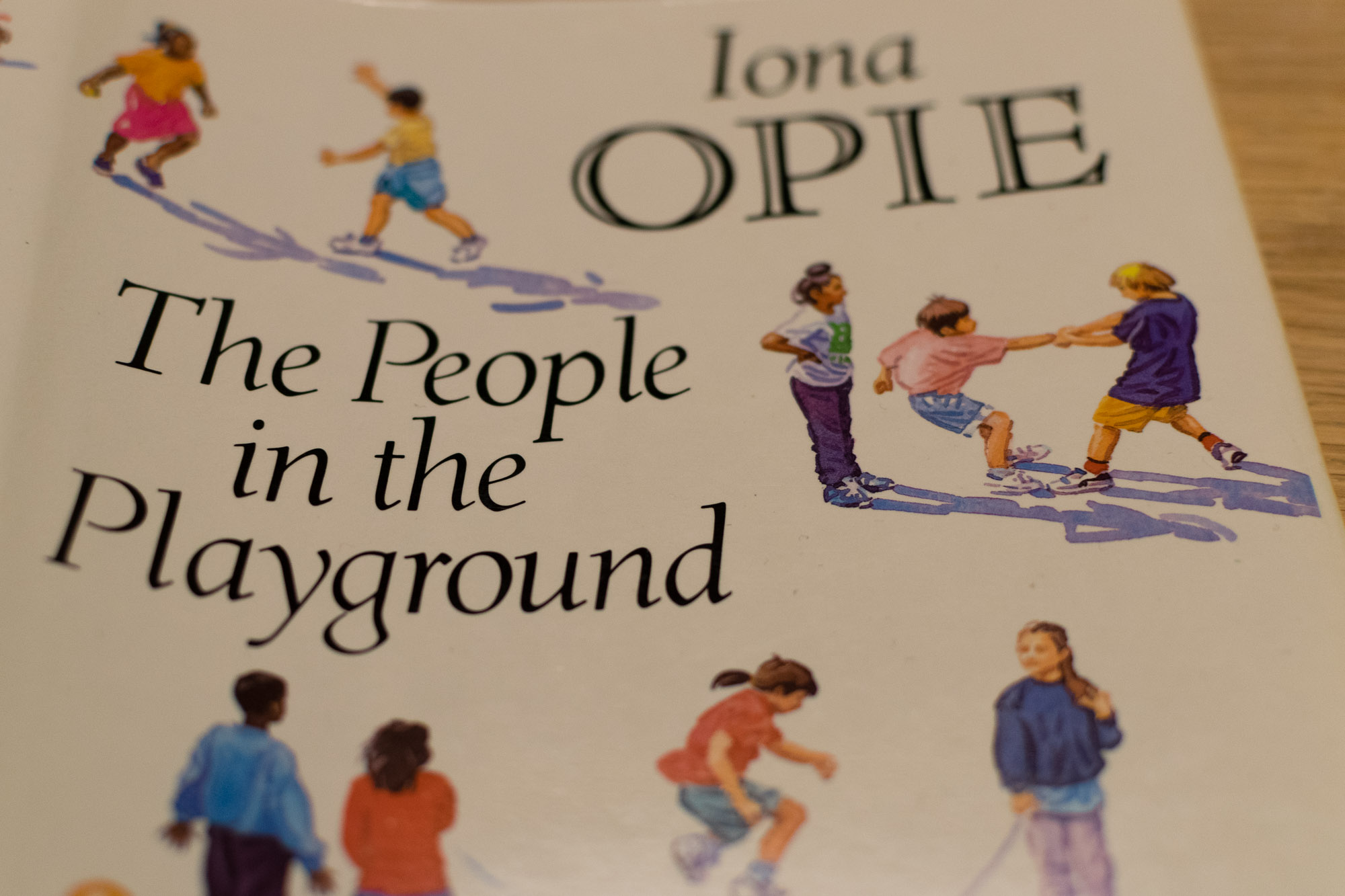
    From the beginning, I intended to create a space where play was not simply the topic of investigation, but where it was woven into the fabric. As Iona Opie so beautifully writes in the wonderful “The People in the Playground”, “I wanted, above all, to call up the sensation of being surrounded by the kaleidoscopic vitality of the eager, laughing, shouting, devil-may-care people in the playground”.

    Kaleidoscopic vitality is exactly what we’re aiming for.

    CounterPlay is supposed to be a living, breathing play laboratory, dedicated to a collective examination of the nature, principles, values and dynamics of play in all its glorious diversity. This investigation combines theory and practice, it requires serious talk and deep thinking, but it does so with the sensation of play always present in our bodies. Even in the midst of serious conversation, play should be in close proximity, ready to take over and send us in a new, unexpected direction, smiling, laughing and letting go. My friend, Helle Marie Skovbjerg, aptly captured this approach as she was writing about CounterPlay in The International Journal of Play:

    “At the festival, the immediate is celebrated with those who are present, celebrated with all that is wanton and wild, unpredictable and silly. The festival invites you to surrender to the movement of play and to place faith in the future, without knowing where play will take you. In this way, the play festival inspires hope for the future of play and incites ‘play courage’ in all, because play is first and foremost with and for its participants.”

    We assume that we will never fully understand play, it’s far too complex for any one person to grasp, and we never seem to develop a language gentle and sophisticated enough to properly capture the many nuances. This calls for a delicate combination of humility and perseverance, of accepting the audacity of the task, while pushing on towards a deeper level of collective insight.

    Why should I consider participating?

    Because you are, I assume, a living, breathing human being, longing for deep fun, joy and human connection.

    If that is indeed the case, and you are not a Russian bot or an evil AI, contemplating world domination, then play is in your bones. To the best of my knowledge, any belief that “play is for children” is misguided and problematic. It’s a ruse, a lie we can simply deny. Play is human’ish, not childish. For humans, not (just) for children.

    You can refuse to play, that’s your prerogative, but it comes with severe consequences. Can you really live a good, fulfilling life without play? I don’t think so.

    Play, real play, sincere play, always becomes personal. When you feel safe enough, when you dare to trust in play and whomever may be there, playing with you, you open up, show who you really are and allow yourself to be vulnerable. This is perhaps my favorite moment at the festival. Whenever people realise that the professional identity they brought, like they do to any other conference, is insufficient. Being professional just won’t cut it. Play is not professional, the distance and the facade of “serious business” disappears, it is deeply personal. One participant left this wonderful comment a few years back:

    “What inspired me most was the camaraderie, the ease of conversation and exchange as if we had all known each other for decades, the lack of pretension anywhere.”

    As Schiller famously put it: “man only plays when in the full meaning of the word he is a man, and he is only completely a man when he plays“ (although it doesn’t matter which gender you identify with, of course, play doesn’t care about gender – though some toy companies and marketing agencies still want you to think otherwise). Play simply makes us more human and more in touch with what is shared among all humans, raising our awareness of that which we have in common across national borders, language barriers, culture, tradition, ethnicity, sexuality or religious beliefs.

    Thus, any continued attempt to suppress our inner desire to play will inevitably make us less human than we could have otherwise been. In a time where so many are concerned about the spread of AI and robots, our humanity is exactly what we should cherish and nurture, full steam ahead.

    Even if you find this talk about play and humanity a bit abstract, you might want to know more about what comes out of play? What is the outcome of play, the results, the promising potential that can be harnessed?

    While we insist that play itself is more important than the outcomes of play (or what we tend to view as side effects of play), we acknowledge that these can also be valuable.

    Most importantly, perhaps, we believe that playful people, who dare to learn, work and live playfully, are better equipped to deal with the unpredictable, chaotic and complex nature of the world. Or in the words of the eminent, late play scholar Brian Sutton-Smith:

    “Play promotes the immediate liveliness of being alive and keeps us emotionally vibrant and capable of joy in an otherwise hostile and scary world”.

    In play, the the realm of possibility is vastly increased and all of a sudden, what otherwise might seem silly, risky or downright impossible, takes a new meaning. When you get into that playful mood, you are more open to new ideas, curious how new combinations or experiments might play out; you are more courageous, less inclined to fear uncertainty or ridicule; more generous towards others; more present and sincere; less bound by rules, habits and expectations – all in the name of continuing the play experience, or what Stuart Brown calls “the continuation desire of play”.

    Curiosity, creativity, imagination, generosity, empathy, agency, courage, hope; all of that and more will flourish when we play earnestly and openly, as humans. As such, there are endless beneficial “side effects” or “byproducts” of play, but any hope of ever achieving these, albeit, attractive results depends entirely on our willingness and ability to give play space to flourish and air to breathe. We can’t force play to happen.

    In short: You might come to CounterPlay because you’re interested in the “usefulness” of play, but you’ll probably want to stay and maybe even come back because you realise, like I did, that it’s deeply, profoundly personal. It’s a life practice.

  • Demokratiske Legelaboratorier

    Demokratiske Legelaboratorier

    [et_pb_section fb_built=”1″ admin_label=”section” _builder_version=”3.0.47″][et_pb_row admin_label=”row” _builder_version=”3.0.48″ background_size=”initial” background_position=”top_left” background_repeat=”repeat”][et_pb_column type=”4_4″ _builder_version=”3.0.47″ parallax=”off” parallax_method=”on”][et_pb_text _builder_version=”3.19.2″]

    “Demokratiske dannelsesprocesser foregår ikke let som en leg, for ingen leg er let. Men de begynder i leg” (Toft & Hansen, 2017)

    [/et_pb_text][et_pb_text _builder_version=”3.19.2″]

    Vi oplever i disse år en bekymrende “demokratisk recession”, der rammer de fleste, hvis ikke alle, af verdens demokratier, de unge og mere skrøbelige såvel som de lidt ældre, vi vist troede var ganske robuste. Truslerne mod demokratiet, oplevede og reelle, kommer både udefra, indefra og “ovenfra”. Udefra sker det i form af forskelligartede “fremmede kræfter”, oftest karakteriseret som religiøs fanatisme og terror, men der foregår også stadig hyppigere forsøg på destabilisering og underminering af tillid til samfundets institutioner, bl.a. gennem hackerangreb og brug af “bots”. Truslen indefra finder i højere grad sted inden for de eksisterende demokratiske institutioner, i form af stadig mere totalitære strømninger, der hævdes at være nødvendige for at beskytte demokratiet. Den mest udbredte forklaring kobles til frygten for “terror”, som bruges til at legitimere fx massiv overvågning og indgreb i privatlivsbeskyttelsen, men også neoliberalismen, “new public management” og lignende fænomener fører til mere central styring og kontrol, mindre frihed og demokrati. Det er et påtrængende og alarmerende paradoks, at vi forventes at acceptere fundamentalt udemokratiske tiltag i demokratiets navn. Endelig udgør ureguleret kapitalisme og den stadig større koncentration af penge og magt hos få, globale aktører også et voksende demokratisk problem. Hvordan håndterer vi, med demokratiske midler, virksomheder der i vid udstrækning og tilsyneladende uden konsekvenser kan overskride demokratiets grundprincipper?

    Disse tendenser skaber en eksistentiel, demokratisk krise, og vi er uden tvivl mange, der, som undertegnede, kæmper med en undertiden nærmest lammende, apatisk fortvivlelse, for hvad kan vi overhovedet stille op? Er vi som individer ikke allerede sat så grundigt ud af spillet, langt væk fra indflydelse og magt, at al handling er nytteløs?

    Den tanke er nærliggende, men uacceptabel, ja ligefrem rædselsvækkende, og vi må modsætte os den for enhver pris. Tværtimod trænger vi til at revitalisere demokratiet, at vække det til live og fremmane al dets iboende vilterhed og ustyrlige mangfoldighed.

    Efter min bedste overbevisning må demokrati forstås som mere og andet end repræsentativt demokrati, parlamentarisme og partipolitik. Det er måske nok her, den store politiske magt traditionelt er forankret, men det er til gengæld også her inertien er størst. På dette niveau virker demokratiet metaltræt, stivnet, frosset fast i former, der fremmedgør os snarere end vækker engagement og håb. Det er næppe her, vi finder vejen ud af krisen, ikke her de første skridt i en ny retning skal tages.

    Demokrati må også, og måske i endnu højere grad, være noget vi gør som borgere og civilsamfund, hverdagshandlinger og en grundlæggende livspraksis. Det må indebære en accept af mangfoldighed, og en åbenhed for at vi kan indrette os på mange forskellige måder i det samme samfund. Samtidig må vi huske på, at samfund jo netop handler om, at vi skal finde sammen, på tværs af uenigheder. Demokrati kan ikke alene leve af konsensus og homogene grupperinger, demokrati kan ikke være statisk, men må formes i en aldrig afsluttet forhandling mellem borgere og stat (Reestorff, 2017), hvor den der vil styre også på samme tid må lade sig styre (Toft & Hansen, 2017). Demokratiet og vores mange forskellige holdninger skal have lov at flyde mere frit, idet vi modsætter os ensretning og konformitet:

    The prime task of democracy ‘is not to eliminate passions, not to relegate them into the private sphere in order to render rational consensus possible, but to mobilize these passions and give them a democratic outlet” (Reestorff, 2017)

    Det er ret tydeligt, at vi mangler de rum, hvor vi sammen kan “gøre demokrati”, hvor vi kan “mobilisere vores passion”, og hvor vi, med tilstrækkelig gensidig respekt, kan udfordre og kvalificere hinandens forestillinger om demokrati. Det er ellers ikke fordi det skorter på gode intentioner i en række lovtekster og erklæringer, som det eksempelvis fremgår af folkeskolens (glimrende!) formålsparagraffens stk. 3:

    “Folkeskolen skal forberede eleverne til deltagelse, medansvar, rettigheder og pligter i et samfund med frihed og folkestyre. Skolens virke skal derfor være præget af åndsfrihed, ligeværd og demokrati.”

    Jeg er vild med disse sætninger, men jeg fornemmer og frygter, at heller ikke folkeskolen aktuelt har de bedste vilkår for at børn og voksne sammen kan øve sig på demokrati.

    Mens vi på den ene side altså har forbandet svært ved at identificere og etablere disse rum, så trives de i bedste velgående i helt andre sammenhænge, nemlig når vi leger sammen. Jeg har over en årrække og gennem utallige helt konkrete, jordnære eksperimenter observeret, hvordan legen tilbyder “en ustyrlig deltagelseskultur der bygger på direkte demokrati” (Toft, 2018).

    [/et_pb_text][et_pb_image src=”http://www.counterplay.org/wp-content/uploads/2017/02/IMG_1277-Medium.jpg” _builder_version=”3.19.2″][/et_pb_image][et_pb_text _builder_version=”3.19.2″]

    Når vi eksempelvis afholder CounterPlay festivalen, så træder mennesker med vidt forskellige baggrunde fra hele verden ind i et rum, hvor legens direkte demokrati udfolder sig og blomstrer. Deltagerne accepterer den grundlæggende præmis om, at her må vi, som et mangfoldigt legefællesskab, indgå i demokratiske forhandlinger om, hvordan vi kan være sammen som mennesker.

    Legen skaber stemninger, hvor vi kan udfordre reglerne, overskride forventningerne og skabe nye erkendelser. En leg er kun rigtig god, hvis man er nærværende, sætter sig selv på spil, hvis man lytter og respekterer de andre, hvis man tager hensyn, og hvis man finder en måde at være sammen på, som giver alle en god oplevelse. Leg kræver en omfordeling af magten, så alle har indflydelse på legens udformning og udvikling, og ingen bestemmer det hele. Vi er alle aktive deltagere i legen, og dermed også i den verden, hvor legen foregår. Når vi leger med hinanden forhandler vi ret beset meningsfulde måder at være og leve sammen som mennesker. I disse “legeforhandlinger” er meget på spil og der “forhandles og afhandles løbende, ligesom nye legegrænser sættes, når noget forekommer at være de legende enten for meget eller for lidt” (Toft & Hansen, 2017). Her kan også opstå egentlige stridigheder, men:

    “de fleste gode legere godt ved, at uendelige stridigheder ødelægger legen, og derfor er gode legere også interesseret i, hvad man kunne kalde kvalitetsstridigheder. De udfolder legen, de ødelægger ikke. Kvalitetsstridigheder er præcis dem, der gør, at man pludselig kan kan vise egne ideer til legen bedre, fordi man må insistere på dem, eller når man pludselig møder andres positioner og opdager, at de er interessante eller udfordrende. Stridighederne åbner med andre ord ens øjne for, at tingene kunne være anderledes.” (Skovbjerg, 2016).

    Der er ingen garanti for, at leg fører til demokrati, eller at legerne formår at realisere “kvalitetsstridigheder”. Legen og demokratiet må jo netop forstås som ikke-lineære, uforudsigelige og ustyrlige fænomener. Det afgørende er, at legen kommer til at virke. Den skal simpelthen have lov til at være leg før man begynder at lede efter læringsmål og synlige tegn på demokratisk dannelse. Hvordan ved man da, at leg virker? Det ved man, hvis man leger med, for det er dem der leger, der kan mærke, helt ned i maven, når legen er god. Man kan dog også tit se det ved at observere de legendes energi og engagement. Eller som Benjamin Zander rammende beskriver i en populær TED-talk:

    I realized my job was to awaken possibility in other people. And of course, I wanted to know whether I was doing that. How do you find out? You look at their eyes. If their eyes are shining, you know you’re doing it. You could light up a village with this guy’s eyes.

    Vi skal simpelthen skabe flere muligheder for skinnende øjne på mennesker, der indgår i demokratiske legehandlinger med hinanden. At lade demokratiet udfolde sig på legens præmisser minder os nemlig også om, at demokrati er noget vi lever, og at det ikke kan eksistere afsondret fra passion, begejstring, glæde, drømme og håb. Tværtimod.

    Derfor vil jeg foreslå at vi udvikler “demokratiske legelaboratorier” som kan finde sted i skoler, selvfølgelig, på biblioteker, museer, ude i det offentlige rum, og overalt hvor mennesker, børn, unge og voksne, kan mødes. Disse laboratorier skal først og fremmest kunne rammesætte den gode leg, og det kan variere fra her til der. Dernæst skal de skabe kollektive samtaler og refleksioner om sammenhængen mellem legens forhandlinger og det demokratiske medborgerskab. De vil kunne tilpasses og tematiseres omtrent alle aldersgrupper, fra de yngste til de ældste, for alle kan lege og alle kan mærke hvornår legen er god.Måske kan vi fylde lege og materialer i en bus, gøre laboratorierne mobile – demokrati på hjul?

    [/et_pb_text][/et_pb_column][/et_pb_row][/et_pb_section]
  • We Can’t Force Play

    We Can’t Force Play

    [et_pb_section bb_built=”1″][et_pb_row][et_pb_column type=”4_4″][et_pb_text _builder_version=”3.15″]

    Control is popular; letting go of it much less so. We seem plagued by the fear that things will get out of hand, that something unexpected will happen.

    This has a massive impact on how we think of play.

    People like play,it’s as popular as ever, but all too often, we wish for something rather specific to happen when we play. We think we can make a conscious decision that now, play will happen and this and this will result from that.

    That way, disappointment and frustration, maybe even madness, lies.

    Due to the unpredictable nature of play, we can’t say exactly what will happen when we play, where we end up or “what we get out of it”. Yes, you can design a game, rules, the physical space, you can direct the participants, you can do a lot to make sure play happens in a certain way, but play is always potentially subversive. Play always resists the “ROI regime”. Play doesn’t care about our plans, intentions, systems and goals, well-meaning and elaborate as they may be.

    A continuum of play

    Let’s think of play as a continuum. On one end, we engage in what looks like play from the outside. Well, it probably is play, we may be laughing and having fun, but it feels shallow, somehow. We’re going through the motions, but we don’t loose track of time, we’re still all too aware of ourselves, of our bodies, of our presence in the room. The magic is absent.

    This kind of play (or “play”) is often directed in an attempt to make play happen here and now. 

    On the other end of the continuum, we let go.

    Sometimes, when we’re really good and very lucky, play can create a space safe enough for us to be together without the facades and the pretense, without the concerns about being serious or looking good, where we dare to be open about the stuff that’s difficult and we usually don’t talk about. This is when play becomes personal, when we forget about time and place, we’re just there, in that moment, together, showing who we really are.

    When this happens, it’s a bit like magic. Just look at the eyes, the way they shine.

    It’s this latter form of play I’m particularly interested in, obviously. That’s where it becomes clear why so many people (myself included) believe that “play is what makes us human” or that in play, we connect with some kind of “human core”. As Schiller famously put it: “man only plays when in the full meaning of the word he is a man, and he is only completely a man when he plays“.

    [/et_pb_text][et_pb_image _builder_version=”3.15″ src=”http://www.counterplay.org/wp-content/uploads/2018/12/NS3A1499.jpg” /][et_pb_text _builder_version=”3.15″]

    No guarantees

    The thing is, we can’t ever guarantee that we’ll get there. In fact, I think it’s a fairly rare occurrence for most of us.

    We’ll probably never be able to fully understand it, it’s a complex web of things that can influence whether or not it happens. All the people in the room, their energy levels, their feeling of safety, their sincerity, whether or not they’re hungry, the room itself, the smells, noises, temperature – and so on.

    Play is indeed like a wicked problem; “A wicked problem is a problem that is difficult or impossible to solve because of incomplete, contradictory, and changing requirements that are often difficult to recognize“.

    As my friend Zack said when we talked about this the other day, maybe that’s part of the fun? Maybe the real, deep play is all the more rewarding because it’s not easy to get there, to make it happen & we don’t experience it all that often. I think he’s right on the money there.

    What can we do about it?

    Nothing.

    We’ll just have to embrace the fact that maybe nothing will happen. Maybe we’ll spend lots of time and energy, and we’ll never leave the surface of play.

    What we can do, though, is to make an effort, we can practice our capacity to play. Be patient and sincere. Help people feel safe, give them time and space to open up. Make it voluntary. Invite many different forms of play. Talk about what might be hard or intimidating. Pay attention.

    Play as love

    I’ve said on numerous occasions that we should think of play more like love. Not just in the sense that we love to play (which we do, and deeply so), but that play is similar to love on a more fundamental level. Love takes time and effort, it demands sincerity, openness, presence, and trust. There are no shortcuts to love, no way to bypass the long, slow process of getting close to another person. You can’t hurry love, right? Even after all that effort, there’s no guarantee you’ll feel it – or that the other will. It’s generally a bad idea to look for love with a very specific outcome in mind.

    The same is true for play.

    Maybe, somewhere down the line, we can manage to turn this issue on its head, taking some of the pressure off, showing people that not getting deep into play is not a failure, but an inevitable part of the game, so to speak. Sometimes magic happens, sometimes it doesn’t. The more we try to force play, the worse are our chances.

    We can take the first step together if we simply accept that we can’t control everything, especially, play, and that’s ok.

    I realise that in doing so, we would also challenge the entire neoliberal paradigm, but I guess I’m ok with that.

    [/et_pb_text][/et_pb_column][/et_pb_row][/et_pb_section]
  • Playing the Archive

    Playing the Archive

    [et_pb_section bb_built=”1″][et_pb_row][et_pb_column type=”4_4″][et_pb_text _builder_version=”3.15″]

    [toc]

    I was recently in London for a conference in the brilliant and ambitious research project “Playing the Archive” (see programme). I had been asked to join their advisory group, and what an honor and privilege it was to spend a day with such a passionate group of brilliant, dedicated people so passionate about play.

    Playing the Archive will promote empathy across generations by allowing children to play games that their forebears described to the Opies in the 1950s and 60s, while simultaneously allowing members of that generation to play today’s games, in an intergenerational exchange of cultural memory and play.

    The project is built on the immense legacy of “The Opies”, Iona and Peter Opie, who dedicated their lives to documenting children’s culture, folklore, games etc. On a personal level, the whole story about The Opies resonates deeply, as when someone described them as “two people with no funding doing that on an epic and impressive scale”.

    One speaker talked about “the collaborative research model of the Opies” as simply making friends with people as part of their research process. I *love* when this is possible, and have been fortunate enough to experience it many times in my own work. Let’s just say that maintaining a professional distance is not really my thing.

    Another person remembered Iona as “life-enhancing”.

    Think about that. “Life-enhancing”. Now, there’s truly something to aspire to.

    Now for some of the interesting themes that surfaced through the day.

    Respecting play:

    I’ll start with a bit of a detour, but one that took me to the question that matters the most to me: how do we respect play?

    Wendy Russell made an important comment early on:

    “I fear adults taking play seriously means adults colonizing play”.

    She was talking about that particular kind of “adult seriousness”, of course, where play is expected to demonstrate some measurable “instrumental value”; “do they learn anything useful?“.

    I have that fear too. Oh, yes, very much so, and not just when it comes to children, but in general. Colonization, instrumentalization, exploitation, playwashing.

    Problematic as these things are, it’s not, however, something that happens because we take play seriously. On the contrary, it happens exactly when we *fail* to take play seriously.

    As my dear friend and play scholar, Helle Marie Skovbjerg, writes (in Danish, this is my translation):

    “taking play seriously exactly means that we see the value in the meaning-making of the participants & understand it as something which is central to the life they lead”. “Here they tell us, who they are & suggest what it means to be human. Taking play seriously is to take everything that’s human seriously”

    It seems to me that “taking play seriously” is exactly what The Opies did in order to understand the culture and lives of children; “the people on the playground”. Iona expressed that dedication quite succinctly in her book bearing that particular title (which I just started reading, and it’s wonderful):

    “I wanted, above all, to call up the sensation of being surrounded by the kaleidoscopic vitality of the eager, laughing, shouting, devil-may-care people in the playground”

    Kaleidoscopic vitality. My new favorite phrase.

    Seth Giddings, writing about the Opies in “‘What is the state of play? The work of Iona and Peter Opie
    in the age of postdigital play”, reaches a similar conclusion, worth repeating:

    If we learn nothing else from the Opies, let us emulate their respect for, and belief in, children and play – their cultures and behaviours, language and nonsense – in the face of both disapproving and benign adult intervention.

    Taking the Opies seriously, the entire “Playing the Archive” project seems to also take play seriously.

    That’s a perfect start.

    The Language of Play

    In the very beginning, Andrew Burn asked: “How can we think about performance in historical terms when the archive cannot store the live event?””

    As we know, play is “as an embodied, affective experience that cannot be fully conveyed using conventional language” (Shields, 2015). This creates an obvious challenge when building archives, but it also relates to the broader difficulty of capturing play in words. That happens to be one of my favorite challenges that can’t ever be solved. Words are simply inadequate. While this should imbue in us a sense of humility, it should never make us stop trying.

    This theme was also mirrored in Steve Roud’s talk about “indexing the Opies”, and the inherent challenge of developing appropriate classification systems for digital archives. Developing an index that allows people to find, say, a rhyme or a game in the huge collection requires incredible attention to the language and the words you use. Maybe this attention to language can inspire our wider attempts to capture the sensation of play in words?

    Play-lines & continuity:

    The entire endeavor revolves around the connections between past, present and future, and in a very dynamic sense. The Opies’ work was itself building on earlier work, creating multiple links to the past, and now Playing the Archive continues that tradition. Jackie Marsh used the notion of the “palimpsest”, as a metaphor for the process of building on what came before, maintaining a sense of continuity in the history of children’s folklore and play.

    She also quoted Tim Ingold, saying that “to lead a life is to lay down a line” & then argued that such a line can be understood as a “play-line”. I quite like that. To lead a life is to lay down a “play-line”. This reminded me of Richard Schechner’s work and maybe especially this particular quote:

    “It’s wrong to think of playing as the interruption of ordinary life. Consider instead playing as the underlying, always-there continuum of experience”

    When we’re able to see contemporary lens through the lens of history, when we understand that media and intertextuality as sources of inspiration for play is nothing new, the fear of the new is drastically reduced, because it is not so new after all.

    As John Potter noted:

    “The way people are talking on the radio about how imagination is dying, doom and gloom. We’re happy to report that it’s alive and well”

    This bigger picture is a very important dimension in raising awareness of contemporary play through the connection to play as a fundamental human phenomenon. Or as my dear departed friend, Bernie DeKoven wrote in “A Playful Path” and demonstrated through a life of play:

    “When we are playing together, despite our differences, we celebrate a transcendent sameness, a unity that underlines the illusion of our separateness. You could call this an act of love – an enacted love that lets us keep the game going. Many acts of love, in fact, many acts of compassion, caring, trust, assurance.”

    Inspiring new forms of play:

    Kate Cowan and John Potter presented their “Dynamic Multimodal Methods for Researching Remediated Play”: using a variety of methods and technologies to follow in the footsteps of the Opies, striving to capture a more comprehensive picture of the complexity of play. Getting new cameras, like GoPros and 360 degree cameras, out onto the playground and into the hands of children will eventually allow us to see aspects of play that we wouldn’t otherwise be aware of. Not only that, developing new methods to study play will also in itself inspire new forms of play. I thought of the “Hawthorne effect”, where those being studied alter their behavior because they are being studied. Sometimes, this is considered a thing to avoid, as it may distort the findings, but here it can also add new opportunities and layers to the play experience.

    We hope to expand the idea of what play can look like” – Kate said, and this is key. It may well be that this is where we’ll eventually see the most important impact of “Playing the Archive”, not in keeping old forms of play alive, not in remembering and celebrating The Opies (however much they deserve it!) but in allowing old and current forms of play to meet and merge, taking on entirely new shapes and leading to fresh experiences for new generations.

    I, for one, am certainly looking forward to following this project in the future!

    [/et_pb_text][/et_pb_column][/et_pb_row][/et_pb_section]