Blog

  • The CounterPlay advisors

    “An advisory board is a body that provides non-binding strategic advice to the management of a corporation, organization, or foundation”

    I read that on Wikipedia, and I thought: “Hey, there’s no doubt that CounterPlay needs a lot of advice to evolve and improve. Why not ask a group of smart people if they want to be on a CounterPlay advisory board?”.

    Time passes by, and now I’m incredibly happy to announce that CounterPlay has suddenly got an actual advisory board (very serious stuff, I know), and looking at the names of the people who agreed to join makes me feel humbled and proud.

    First I asked Zuraida Buter, because I can think of nobody who so consistently covers and supports game development and playful culture around the world. She’s (almost) always on the go, visiting festivals & conferences, giving talks, documenting and playing. If it’s inclusive, quirky and playful, she’ll be there.

    Oh, and her Vines. Don’t forget the Vines:

    Then I thought of Alex Moseley, who was (also) an early supporter of CounterPlay, is engaged in all kinds of playful experiments, and who likes to make people play with Lego during his talks. How could that not be a good match? A bit of info about just one of Alex’ many interesting projects:

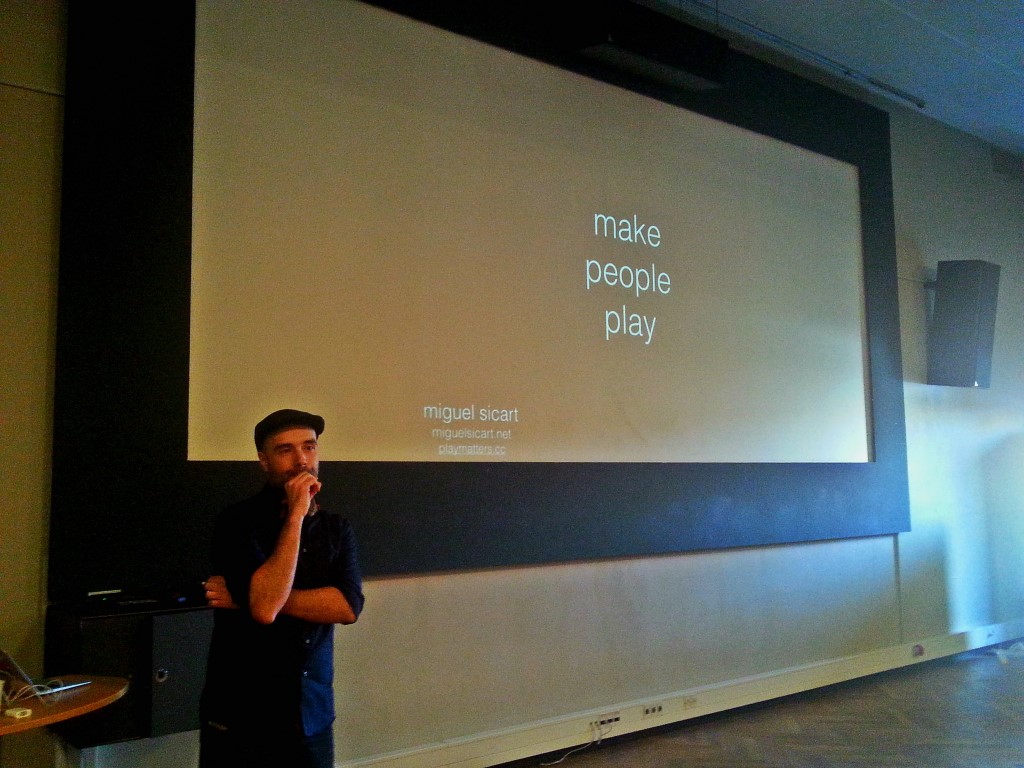
    Few people have described more accurately the spirit of CounterPlay than play scholar Miguel Sicart in his most recent book, “Play Matters“, so why not ask him?

    While the advisory board is (also) about strenghtening the international perspective, I think the local dimension should be represented as well.

    For that, I asked Stine Liv Johansen, who’s a researcher in the intersection between play & media. She’s an important voice in arguing that kids don’t stop playing because of digital media, but that play just takes on new forms (and exploring new forms of play is central to CounterPlay, as you probably know by now). She also frequently reminds us, that play in & of itself is important & valuable:

    https://twitter.com/StineLiv/status/521938935308894208

    Oh, and playgrounds:

    https://twitter.com/StineLiv/status/521671939333832705

    As with all things CounterPlay, expect the advisory board to be in perpetual beta, ever evolving. I’ll be back with more about these wonderful people soon, and I hope we’ll be able to do a hangout on air before long.

    For now, please just give a hand and a warm welcome to this amazing group.

    To Zuraida, Alex, Miguel and Stine – thank you. It truly means a lot!

    [go_portfolio id=”advisoryboard”]


    [If  this leaves you thinking “why can’t I be a part of shaping CounterPlay” – don’t worry, because you certainly can. Head over here, write us, go to Twitter or join the Facebook group.

  • Make games for & during CounterPlay

    Over on Facebook, a good friend & game developer Esben came up with a great suggestion for CounterPlay:

    What about a few concrete dogmas too, like:

    Everyone at the festival are part of a new game developed for that particular festival

    The workshops of the festival are focused on concrete development, therefore we publish at least three new games at the end of every festival for everyone to play.

    Another friend, Mikkel, rushed to support the idea:

    I think that Esben’s suggestions for products are VERY interesting, since it would help differentiate the festival from many other conferences and events. A festival with it’s own, growing portfolio! It even makes it approach a game jam, which is certainly a playful attitude to production.

    While I have definitely been wanting to invite people to make games for & as a part of CounterPlay, I think Esben is more succinct than I have managed to be (this also shows how much of CounterPlay is happening – through conversations).

    Let’s do it.

    Consider this the first invitation to pitch ideas for A) a game to be played during the festival and B) playful ways to help & inspire people to make games together.

    A few thoughts on both:

    A festival game

    smalltalk_backFor the first edition of CounterPlay, a group of students made the very nice “SmallTalk game”, which challenged & inspired people to talk to strangers about playful topics.

    It could definitely be more “gamey”, but it highlights a few important principles:

    • It’s accessible – more or less anybody can play, as it doesn’t require any special skills developed through years of playing
    • It inspires people to interact with strangers

    Both of those should principles should be found in any game to be played by all festival participants. No-one should be excluded, and it should be all about interaction.

    How would you meet that challenge?

    Games made at the festival

    What Esben suggests is not a game jam per se, but rather that a series of workshops end up developing at least three actual games.

    It does however, as Mikkel points out, sound a bit like a game jam – which is definitely a good thing (in fact, I’m also thinking about hosting an actual game jam during the festival – let me know if you want to talk about that).

    For those of you don’t know, a game jam is all about bringing a group of people together to make games within a limited time frame, often a weekend (approximately 48 hours, but sometimes much shorter).

    There are lots of amazing game jams, big and small, around the world, and they’re all playful gatherings of people wanting to make people play:

    Think of it as a hackathon focused on game development. It is the growth of an idea that in today’s heavily connected world, we could come together, be creative, share experiences and express ourselves in a multitude of ways using video games – it is very universal. The weekend stirs a global creative buzz in games, while at the same time exploring the process of development, be it programming, iterative design, narrative exploration or artistic expression. It is all condensed into a 48 hour development cycle. The GGJ encourages people with all kinds of backgrounds to participate and contribute to this global spread of game development and creativity (Global Game Jam)

    How do we make workshops, where people who (as a rule of thumb) are not game developers join forces to make games?

  • Steps towards #CounterPlay15

    CounterPlay15_hashtag2

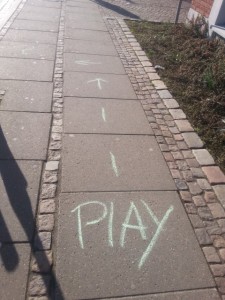
    PlayEver since the first CounterPlay festival back in April, I’ve been working on CounterPlay ’15.

    The first time was an absolute blast, and it seems like the 150 playful participants generally share that sentiment. There’s lots of room for improvement and new ideas, of course, but I’m incredibly happy with the outcome.

    Hey, it was just a weird dream of mine, but apparently it somehow resonated with people (read this for more reflections on the festival and see all the reactions & presentations here).

    So what now?

    Now I wish for CounterPlay to become much better, more diverse, and more rooted in the local community, while establishing a much wider reach into the world.

    I  have a fairly clear idea about the purpose of CounterPlay, but I do get this question a lot:

    What is CounterPlay?

    …which means I haven’t been communicating clearly enough.

    Well, the core of the endeavour is cultivating playful communities and inspiring more play in the world.

    Let’s start with the name – CounterPlay. It’s inspired by a (somewhat cursory, I’ll readily admit) reading of an issue of The Fibreculture Journal titled “Counterplay“:

     Referring to ludic or playful vitality in its most transformative expressions, counterplay speaks directly to the disruptive creation of the new through the reiterations of gaming.

    To me, this means (among other things) to challenge our perceptions of what it means to play, who can play & where it makes sense to play (hint: play is for everybody, everywhere, and I assume that play generally is a very healthy component in our lives).

    https://twitter.com/LindaKolling/statuses/451650197517778944

    Who do I consider the target group for this?

    The primary audience is professionals across domains, who either work with or could benefit from working with games & play. I initially used the tracks “playful culture”, “playful learning” & “playful business” to indicate the intention to bring people together from many different domains. Taken together, these cover a very wide area.

    It’s about creating a community, where people meet to learn & play together; People in education, researchers, pedagogues, game developers & “play makers”, librarians, journalists & culture curators, people in HR, communication & corporate training…and so on.

    By including those & many more in the conversations, I’m convinced we’ll all become smarter.

    Read a bit more about the tracks here:

    [learn_more caption=”Playful Learning”] Play (whether it relates to games or not) is very much about learning. Learning the rules of the game. Learning to master the game. Learning to interact with other people in meaningful ways – and so on. The idea that games should be a greater part of education is catching on, but what does that really mean? What are the potentials of these approaches? Is it possible to actually play games in school, or does it become simple instrumentalization? Is play opposed to the very structure of education or can we maybe even embrace play?


    [su_button url=”http://www.counterplay.org/playful-learning/”]Read more[/su_button][/learn_more][learn_more caption=”Playful Culture”] Playing and playing games is part of and continues to greatly contribute to human culture in various ways. How is that? How can we understand games alongside other media? What is a “playful culture”? How can e.g. librarians and journalists approach games critically and respectfully? How do we, as a society, improve our understanding and conversations about both games and play?[/learn_more][learn_more caption=”Playful Organisations”] With the surge of “gamification”, an increasing number of public and private organisations seem increasingly interested in the potential of games to communicate, to increase motivation, to train etc. This is and interesting tendency, but it all too frequently leads to an oversimplified perception about what games are. Furthermore, there might be many, many other ways in which games and, not least, being playful can create value in organisations – ways that may or may not be covered by gamification. How can organisations become more playful – and why should they? Can the act of play challenge and develop organisational cultures and identities? What are the uses of actual games in organisations?


    [su_button url=”http://www.counterplay.org/playful-business/”]Read more[/su_button][/learn_more]

    But hey, some would say;

    “There’s already a lot of amazing play/games festivals around the world, also in Europe”.

    This is true, and the increasing growth & diversity of the games/play festival scene is a wonderful thing. However, these events are often targeted primarily at (or attracting) people who are making games (& directly related professions).

    I think the conversations & exploration of games & play simultaneously deserve and need a much broader audience than this. Judging from the overwhelming interest in the first festival, I’m not alone here. Most people apparently don’t go to “ordinary” games or play festivals, but this doesn’t mean they’re not interested in the field.

    CounterPlay is aiming to bridge this gap, creating more diverse and dynamic conversations in a wider circle.

    While “professionals” make up the primary target audience, it’s also my ambition to make (part of) the festival open & inclusive to anybody interested – be it children, youngsters, adults, families.

    Come and play.

    That also means creating a completely open & playful space, that  stretches far beyond any physical venue, into the urban spaces, parks, museums…(more on this here) and definitely also far beyond the local community.

    Oh, and the lack of clarity might also stem from a somewhat intentional obscurity and room for the unforeseen, as I  want CounterPlay to be much more than what I myself can imagine. As such, CounterPlay is supposed to be a festival, that is as much shaped by the ideas, wishes and needs of the broad groups of participants as it is by the organizers.

    What can you do?

    There’s lots of things you can do: Give a talk. Host a workshop. Showcase playful things. Suggest new formats, activities, speakers. Become a sponsor . Submit an idea, any idea. Spread the word.

    Whichever way you’d like to be part of CounterPlay, let’s talk. There’s no strings attached, and you can be as much or little involved as you wish.

    The fastest way to get in touch would be Twitter (as it happens, most of CounterPlay ’14 was organized on Twitter). If you want to say a bit more, send me an email or join our group on Facebook.

    Either way, I’d love to hear from you. All of you.

  • The local roots of CounterPlay

    2014-04-03 17.03.17 (Small)There’s not much news about CounterPlay ’15 yet, but things are starting to happen, and based on the successful first edition with 150 wonderful people, I have a lot of ideas for next year. So many things I want to do better next time, and so many new initiatives I’d like to facilitate in and around CounterPlay.

    At it’s core, the purpose of the festival is the same, though:

    CounterPlay aims to widen the perspective on games, play & playfulness, inviting (also) the unusual suspects into the circle. Part of this is bringing play to new arenas, challenging the notion of who can play, as well as where and when play can take place. What does it mean to be playful – in education, our work & – most importantly – our lives? I hope to evolve the festival as a space for people from different domains to meet, challenge each others perspectives, explore new types of play.

    In the end, it’s about allowing more playfulness into the world. 

    Easy as that.

    One component in going further in that direction is to create:

    Stronger local communities

    Quite early on, I made a (difficult, I might add) decision to situate the festival in the fairly small town of Aarhus.

    This is a constant consideration, as I don’t want geography to get in the way of building a great international festival, and the local dimension only makes sense when seen in an international perspective. It’s the exchange between the local & global that I find particularly interesting (and though I talk about local in this post, I’ll get back to global later on).

    I think many interesting things related to games & play are happening in and around Aarhus, and I want the festival to help show, support and grow these initiatives in any meaningful way.

    By now, the festival is already somewhat rooted in Aarhus, but I would like it to become more integrated into the local community – and vice versa. I hope to see the festival spread to the streets, buildings & institutions of Aarhus; to make the town itself more playful, and to have all involved parties, including the festival, benefit from that.

    At my most ambitious, I hope to create something as open, diverse, inspiring and cool as Game City in Nottingham:

    Let’s create a playful movement.

    Who could be part of this?

    Museums, libraries, educational institutions, students, the university, the municipality, game developers, creative agencies, private companies in general…please continue the list.

    Anybody with a desire to be playful in one way or another.

    Here’s a few thoughts about how it could happen:

    Playful cultural institutions

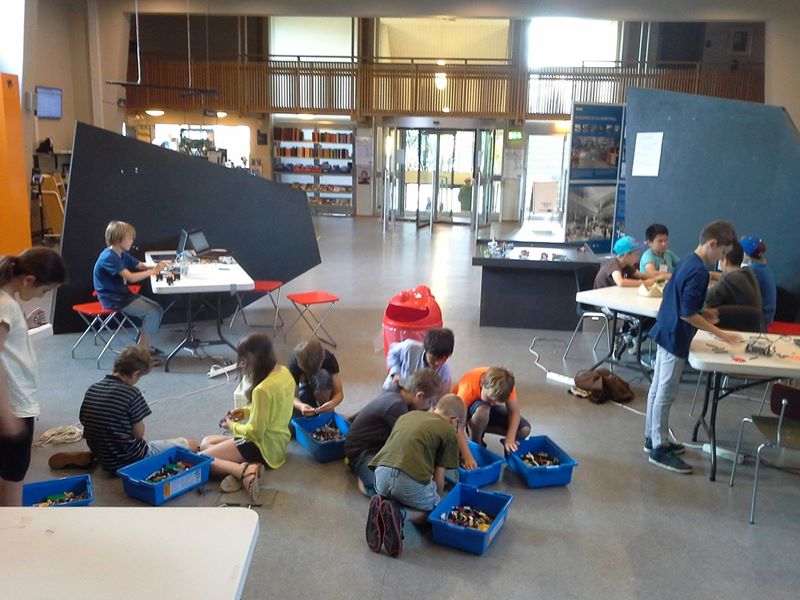
    I was so glad to have the local main public library as an amazing partner for the first festival. It was obviously a great help that they wanted to host the festival, but what’s even better is their generally very playful approach to being a library. Take their currently running summer workshop, where kids are building & playing with robots:

    robotter_hovedbib

    I look forward to our continued collaboration, though we probably won’t be at the library again before 2016 (I am, by the way, still looking for the perfect spot for CounterPlay ’15).

    Aarhus has many other interesting cultural institutions, which could be part of a movement.

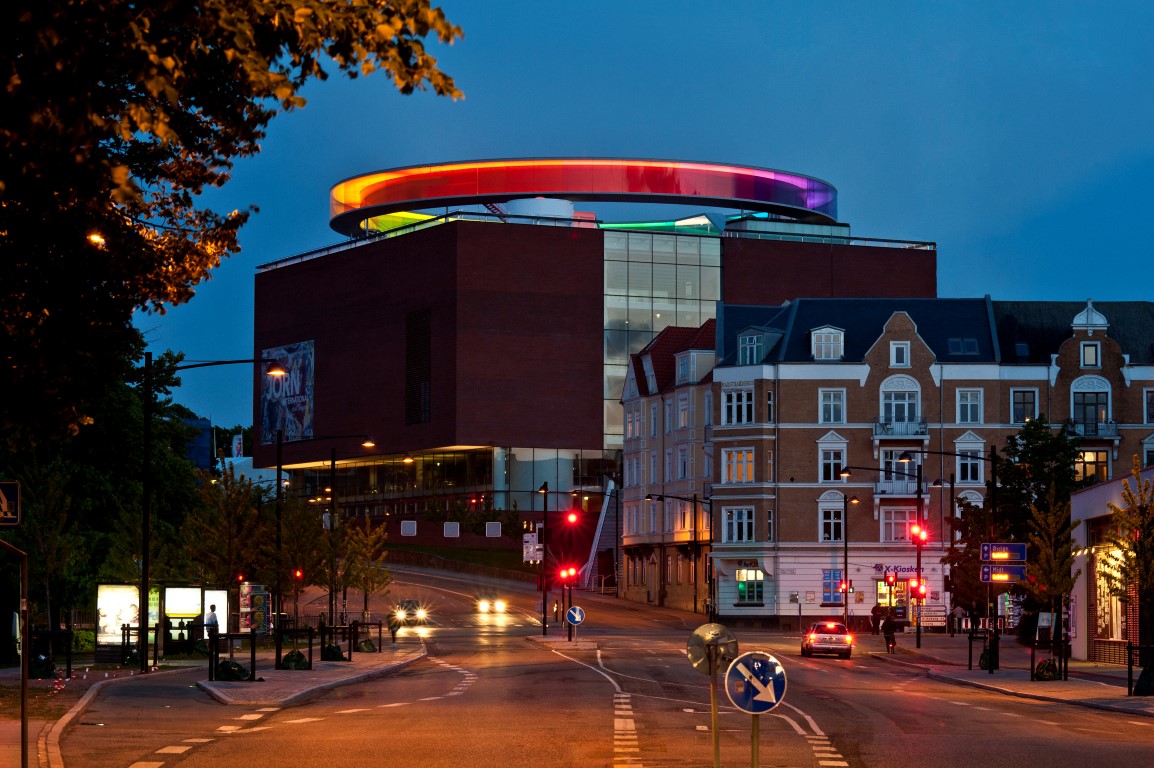
    Take the biggest art museum, Aros & their lovely “rainbow” by Olafur Eliasson:

    aros_night (Medium)

    This is playful in & of itself, but I’m sure we could come up with very intriguing ideas for being playful in the musuem (and the rainbow), as well as the other museums, institutions, events and festivals (should we play more at Northside?).

    There’s lots of amazing inspiration for these things around the world. Take the famous video game section at MOMA. Or “PLAY!” in Sheffield:

    We are looking for submissions from artists whose work takes a critically engaged approach to computer games within a fine art context. Within such a broad theme, we are specifically looking for conceptually sound work which seeks to isolate aspects of gaming for suitable artistic reflection and contemplation.

    Or the playful, game jam-like “lab for reinventing museums”, Museomix:

    Or the upcoming “Vertigo of Reality” at “AKADEMIE DER KÜNSTE” in Berlin, which I must visit:

     The exhibition presents artistic strategies and methods of working which focus on the viewer’s perception. The artwork materialises only in and through the viewers themselves. Current developments in game art here stand within a tradition of artistic explorations beginning in the 1960s, in particular closed circuit video installations as well as performances, participation projects, films, photographic works and mirror objects.

    Or, of course, all the wonderful projects & initiatives curated at the “Playful Arts Festival“:

    Playful interventions in urban space

    While there’s much we can do with existing cultural institutions, the opportunities may be even more diverse when turning to playful interventions in public space. Urban environments are in many ways obvious spaces of play, but often this potential remains more or less untapped. Urban spaces are frequently designed with more instrumental purposes in mind, and there seems to be many conventions tied to the way we inhabit and navigate our towns and cities. Most people probably think of it in fairly rational terms, as a place to traverse in order to get from A to B. There’s usually a number of “recreational spaces” as well, but in many cases, these are not exactly playful.

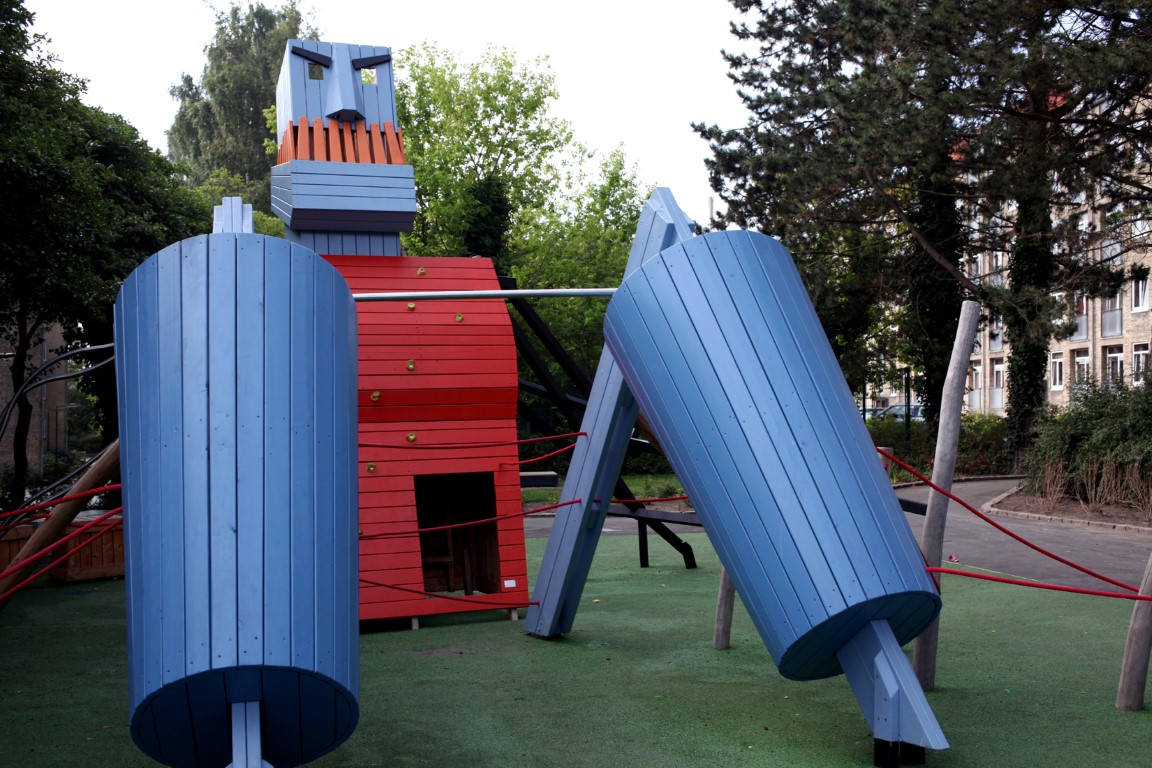
    This is obviously not just about playgrounds, but it’s definitely also about playgrounds. Take for instance the Danish developer of wonderful playgrounds, Monstrum (photo by The Mythological Quarter):

    monstrum_robot (Medium)

    While (some) playgrounds are wonderful, the scope is much wider. Look to “The Playable City” in the UK:

    “The Playable City is a new term, imagined as a counterpoint to ‘A Smart City’. A Playable City is a city where people, hospitality and openness are key, enabling its residents and visitors to reconfigure and rewrite its services, places and stories.”

    This is such an appealing idea, that I’d love to see unfold all over the place. One initiative, “Playing Out“, aims to make  “streets a place for play” (more her):

    Apparently they’re on a roll in the UK with this amazing slide by Luke Jerram:

    I also love Sylvan Steenhuis‘ intervention, “Water Shootout Amsterdam”, which is a classic by now:

    https://www.youtube.com/watch?v=ZU7mN7KMHys

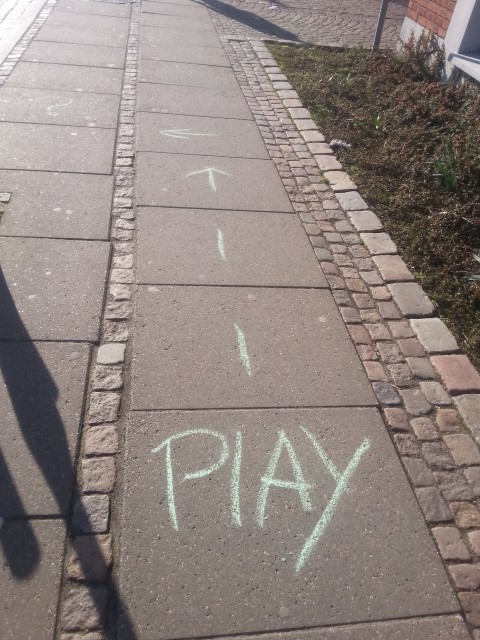
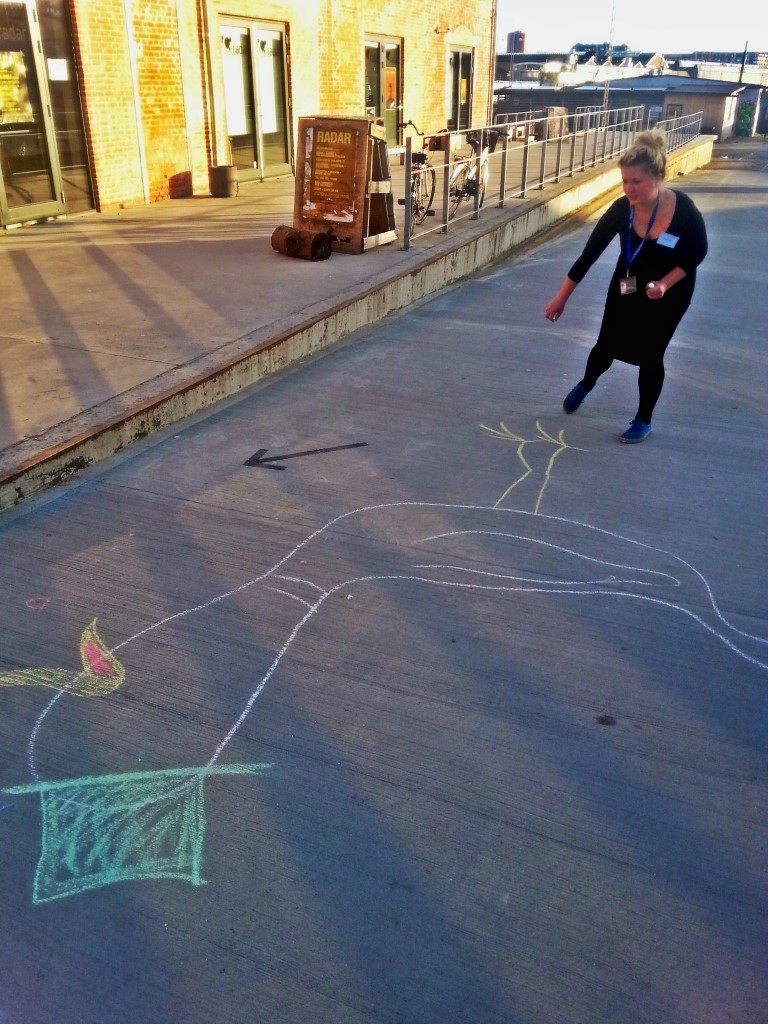
    On a much smaller scale, a group of students did a small playful intervention in relation to CounterPlay ’14, where they involved people (me included) in creating a large hopscotch grid:

    https://www.youtube.com/watch?v=NzhCSYMqsvQ

    Just seeing how people has to overcome a barrier to even consider playing in public space (myself included) makes me eager to further explore these things, and I would like for CounterPlay to become an active contributor to both creating and disseminating new approaches to playful cities.

    Let’s play!

    Are you in or around Aarhus, do you consider your work playful, or would you like it to be?

    Please get in touch, as I would love to talk and involve you in the next edition of CounterPlay!

  • Our stories from play

    Jesper K. Kristiansen

    At CounterPlay ’14, Jesper Krogh Kristiansen did a presentation about the way we write and talk about games.

    Traditionally, there’s been a heavy focus on technology when writing about video games, but this is not really what most people really care about (some people do, and that’s ok).

    Most of us would probably rather talk about all the things we experience when playing games, or how games allow us to explore the most amazing worlds, or the ways in which we connect with games and other people on an emotional level, or how games make us consider the world and our lives in new ways.

    Why don’t we just go and do this, then?

    A big part of this is probably the perceived lesser cultural value of games compared to, say, literature, film and theater. Even today, we often find ourselves in situations, where we need to overcome mental and cultural barriers to properly talk about games without feeling a bit out of place.

    Another reason might be our lack of knowledge and language about games. Basic knowledge about stories, about literature, about film is everywhere around us, and we are introduced to theories in these domains at an early age. This is not the case with games (yet).

    These things are obviously changing, as more people play games, and more people care to tell what they experience, think and feel.

    Take Tom Bissell’s account of “doing cocaine and playing video games – usually Grand Theft Auto IV“:

    What have games given me? Experiences. Not surrogate experiences, but actual experiences, many of which are as important to me as any real memories. Once I wanted games to show me things I could not see in any other medium. Then I wanted games to tell me a story in a way no other medium can. Then I wanted games to redeem something absent in myself. Then I wanted a game experience that pointed not toward but at something. Playing GTA IV on coke for weeks and then months at a time, I learned that maybe all a game can do is point at the person who is playing it, and maybe this has to be enough.

    Or Manveer Heir‘s touching & inspiring microtalk at GDC 2013(see the transscript):

    And by the end of Papo & Yo, I was sobbing profusely, unable to contain my emotions. I was a grown man breaking down in his living room. I’ve never experienced that gravity of emotion from media. You’d have thought I’d just found out someone close to me had died. And that’s because it sort of happened. Papo & Yo didn’t make me cry because of the arc of narrative, or because it timed emotional music right. It made me cry because it asked me to do something seemingly simple: let go. And then it made me let go. Not the character in the game, it made me, Manveer, let go.

    It made me remember my relationship with my estranged younger brother, the anger and hatred I had towards him for years, and remember his subsequent suicide in late 2011. It made me remember the difficulty I had consoling my parents as the only surviving child. It made me remember how sorry I felt for him because he suffered from bipolar disorder, a mental disease that often made him do and say things that ended our relationship. It reminded me how unwilling myself and society was to let him off the hook despite knowing this. Papo & Yo reminded me of something I already knew but have struggled with: the need to let go of anger, the need to forgive and look towards the future, the need to grow as a person and become better every single day, lest I be destroyed by a monster inside of me.

    Or Cara Ellison’s thoughtful piece about how “Castles In The Sky” evoked feelings of childhood, good and bad:

    If this were a platformer, perhaps this would be boring. But this isn’t really a platformer, so much as a bedtime story. This is more like taking a journey back into your childhood, where when you looked up at the sky, you thought clouds might be able to sustain your weight, if you wanted. When clouds were reachable platforms for all your idle thoughts.

    […]

    There’s a rush of old feelings for me in that moment where those words clash with a hot air balloon rising proudly from behind the cloud cover. My heart swells. I don’t recall primary school; I’m not quite sure what happened but I have blocked out the memory of that time. But the game’s idea that all lost balloons might find new owners is an allegory that hauled up the hopes that I think my ten year old self had once. I think perhaps ten year old me wanted to think that all lost balloons are found by someone, just like all little boys grow up, except one.

    Stories like these are interesting and fascinating in their own right, while also helping us understand better how games can mean much more to us than simply entertainment (mind you, there’s nothing wrong with entertainment).

    During his talk, Jesper asked the audience to share their own experiences from playing, and here are all the stories that we collected (download here):

    I’m pretty sure, that this topic is going to be a central part of our ongoing conversations around games and play!

    Do you have a story to tell?

    Share it in the comments!

  • #CounterPlay14 – reflections

    That’s how I felt Friday afternoon & evening, when CounterPlay ’14 had reached its conclusion, and I was having a few beers with the last remaining speakers & participants.

    Now I’ve had a bit more time to let it all sink in, and I feel like attaching some words to my thoughts.

    If you’re looking for the short version:

    I had an amazing time, met so many inspiring people, it all played out better than I could have hoped for, and I’m eager to start working on #CounterPlay15.

    If you’ve got a bit more time, keep reading:

    Atmosphere

    What really struck me, right from the start, was the atmosphere at the festival.

    It was somehow instantly relaxed, informal, cozy and welcoming.

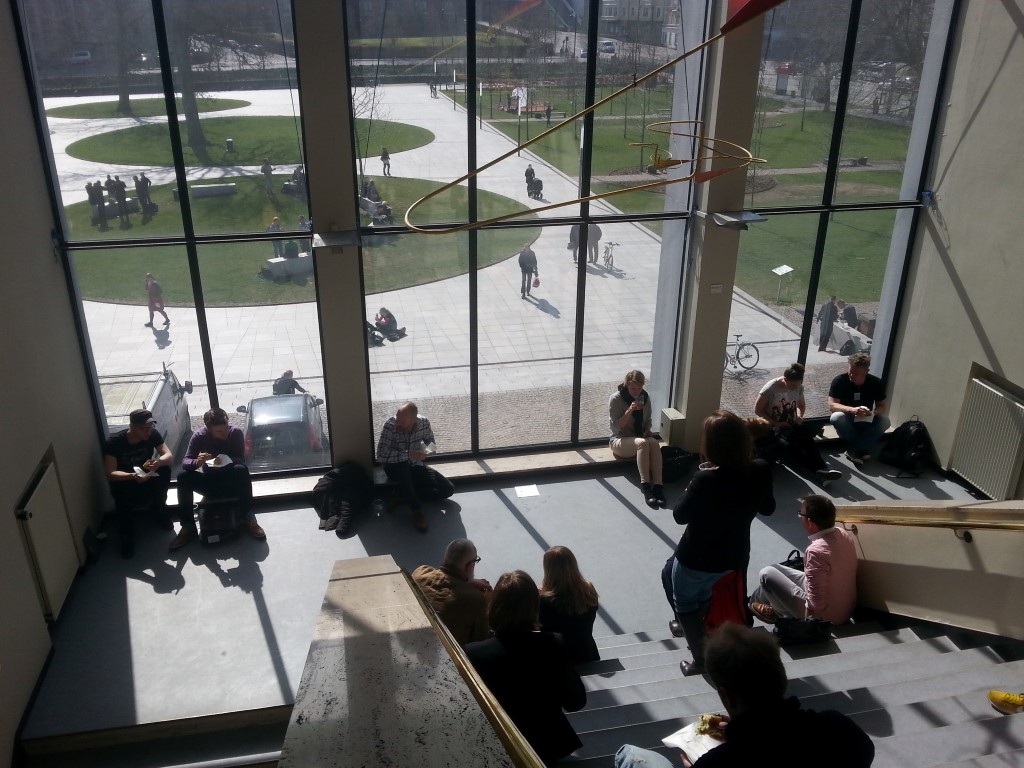
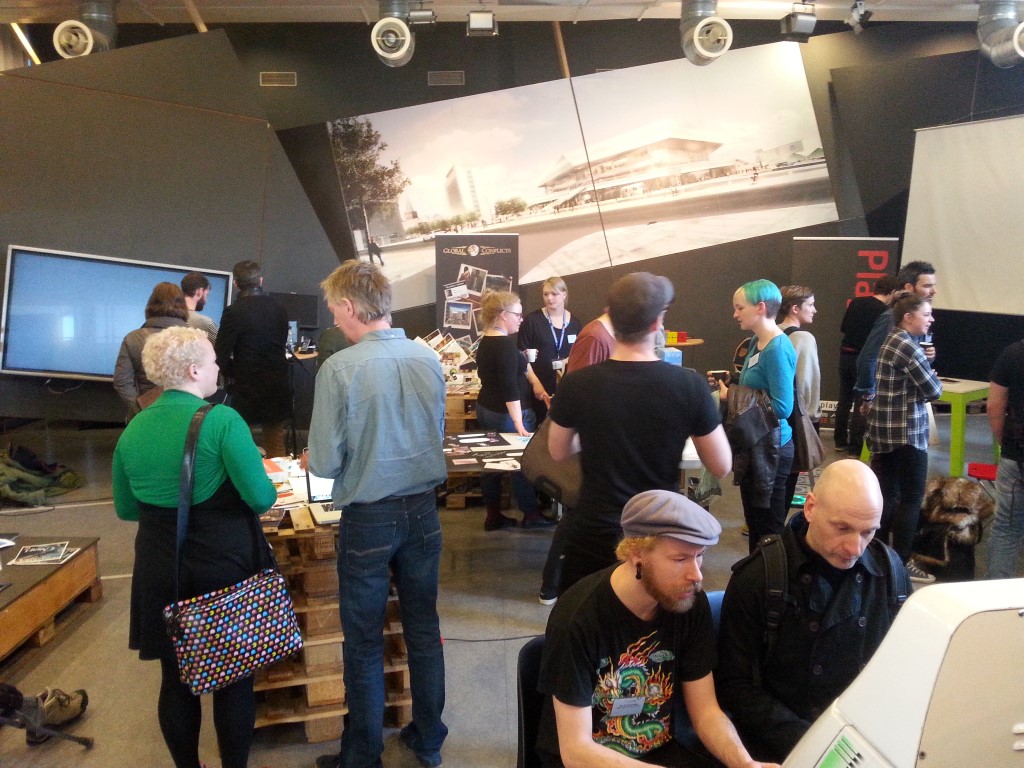
    I felt it wherever I went: at the talks, where people were laughing and participating actively, at the playground, where everybody was talking & playing, and in all the small “spaces” between scheduled activities. For some reason, this view during the lunch break really made me feel good, people scattered around, also out in the park:

    2014-04-03 12.29.25 (Medium)

    Speaking of park, spending lunch break like this is a perfect image of how I experienced the atmosphere:

    This means a lot to me, and it may be the single most important success criterion for the entire festival.

    I feel confident that such a climate increases the likelihood of people having meaningful conversations, playing around (maybe even making a fool of themselves), and making strong connections with each other.

    On a more personal level, I immediately felt at home, and despite my excitement & nervousness, I couldn’t help but become more calm and relaxed in these surroundings.

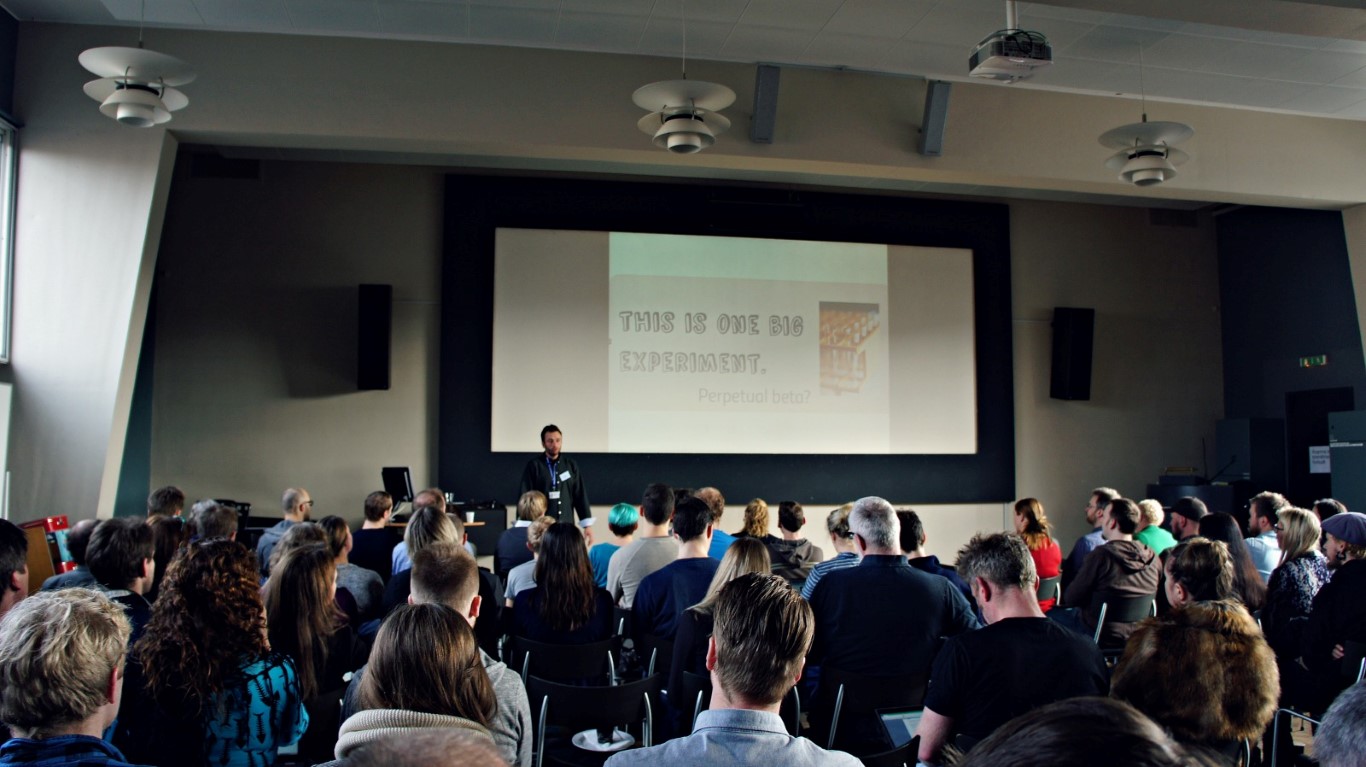
    I don’t know exactly how it turned out this way, but maybe my informal way of communicating helped a bit? Maybe my initial announcement that everything’s an experiement worked (thx, Zuraida for that shot):

    SONY DSC

    Curiosity & diversity

    With the three tracks at CounterPlay, I am targeting three different, very broad, heterogenic & not clearly defined groups of professionals.

    In the months leading up the festival, I was thinking a lot about how to make sure these audiences were actually going to be represented. While I’ve been working in all the three areas, I believe I have the strongest network in relation to “learning”, then “culture” and finally “business”. This was mirrored the distribution of the participants.

    One of my biggest concerns was directly tied to this:

    Would people mostly be interested in one track (e.g. Playful Learning), leaving the other tracks empty?

    I was extremely pleased & relieved to see, that these concerns had been more or less unfounded. We somehow ended up with a diverse crowd of people coming from many different areas, but with (at least) one common denominator: curiosity.

    This curiosity resulted in a nice flow of people between the tracks, the playground and the workshops; a constant migration from here to there, which in itself sparked energy, conversations & play.

    For that, I need to shout a big:

    THANK YOU” 

    to everybody participating for bringing such an open mind!

    Even so, I’ll be working with growing the audiences for the three tracks towards #CounterPlay15, 

    The talks

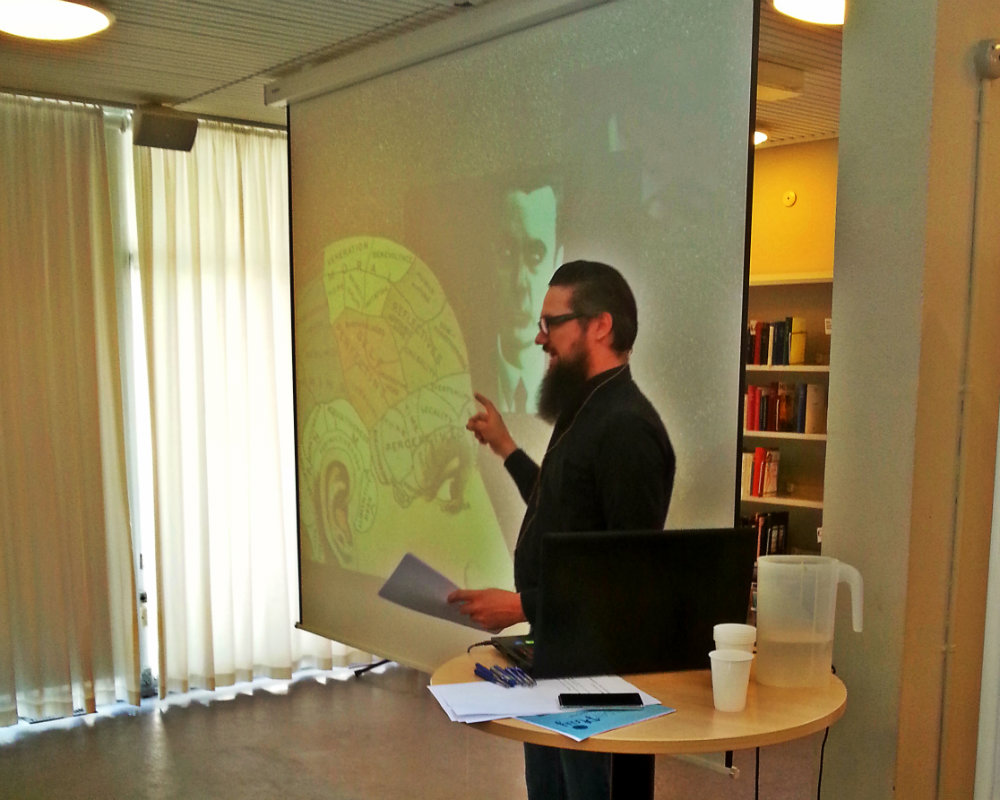
    One of the biggest problems with organizing an event like this, with several tracks, is the inherent impossibility of seeing all the talks. I would literally have liked to attend every single one, but I just kept running around, staying at every talk only for a few minutes before moving on.

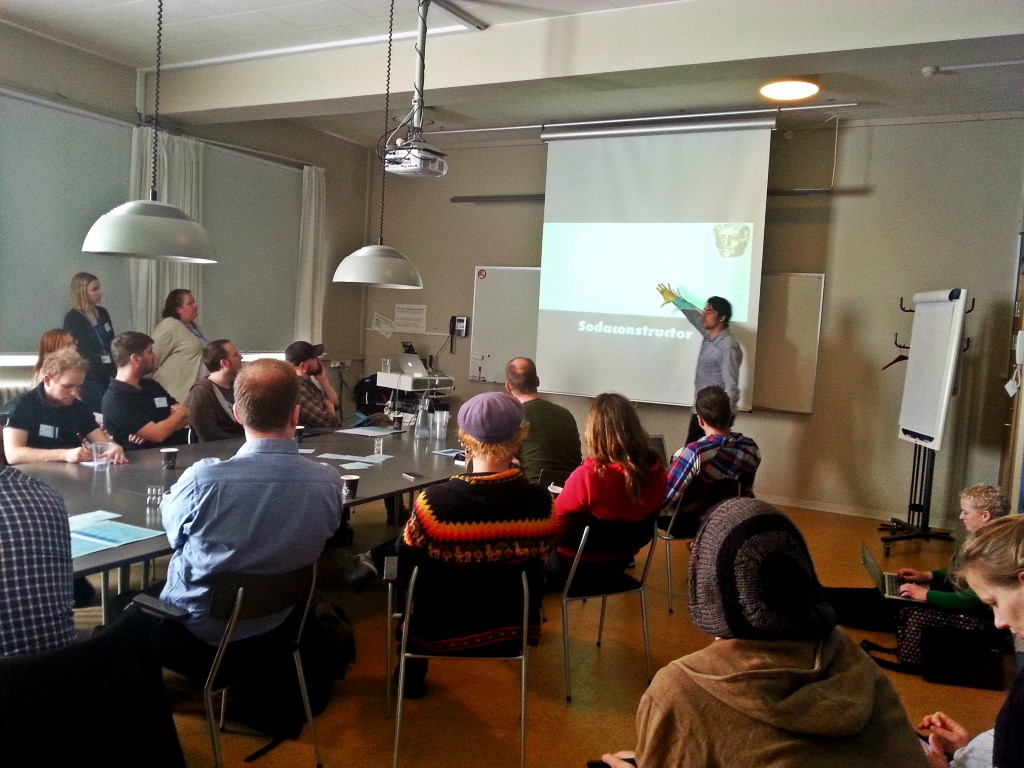
    Knowing this, I couldn’t possibly do the wonderful speakers any real justice by trying to say anything clever about the content. That being said, I need to point out, that I was utterly impressed by the general level of commitment. Whether they were speaking in the big lecture hall in front of +100 people, or in the much smaller “Playful Business” track in front of 20-30 people, I got the impression that all the speakers were incredibly engaged.

    fiddian (Medium)

    I’ve said before, that it has been a humbling experience to receive such strong support from the speakers (many of whom I didn’t know at all beforehand). This feeling is only more outspoken now, having met them all & gauged their passion & dedication.

    I remain incredibly grateful and impressed by all these people (whom I hope want to be part of shaping CounterPlay in the years to come).

    While I has been trying to achieve some variety in terms of formats, it was limited to regular talks, PechaKucha talks and open space sessions this first time around. I’ll be exploring other possibilities like panels and more interactive approaches.

    The playground

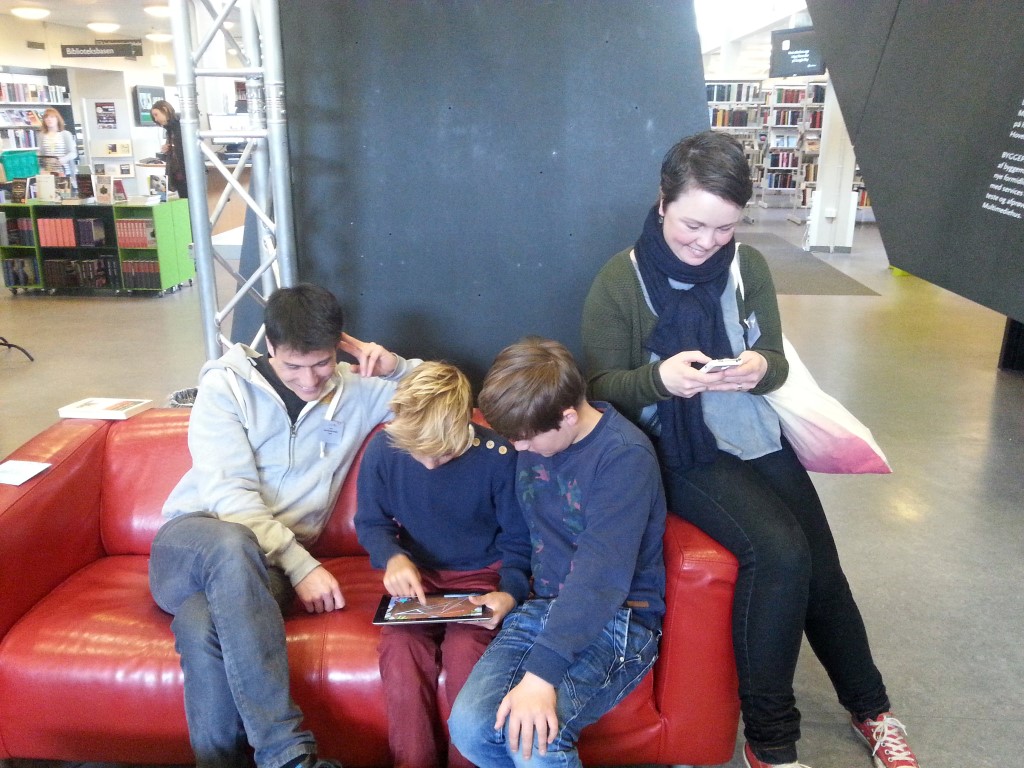
    At the library entrance hall, we had a small playground or expo, where many different games & playful activities were being showed & played:

    2014-04-03 11.54.07 (Medium)

    It seems these modular music tiles, which Jari Due Jessen had brought from Center for Playware, was among the most popular things to play with (and I can understand why!):

    I was really happy with the fairly chaotic layout of the playground, the fact that people were playing at (more or less) all times during the festival, and that it was calm enough that Jean-Baptiste Huynh could show DragonBox Geometry to a couple of kids (that Stine Liv Johansen brought along on Friday):

    2014-04-04 10.55.07 (Medium)

    For next year, I would like to build a larger playground, that has even more different activities, more diversity, more physical (inter)action (also outdoors) etc.

    The workshops

    We had planned 5 quite different workshops during the festival (read more here). While I didn’t participate in any of these, I got the feeling, that they went well, and that people appreciated to get a bit closer to practical implementation in informal settings. For next year, I’m thinking we should have more workshops,  greater diversity, and I could probably consider announcing them a bit earlier and with more clarity 🙂

    Spilbar & dinner

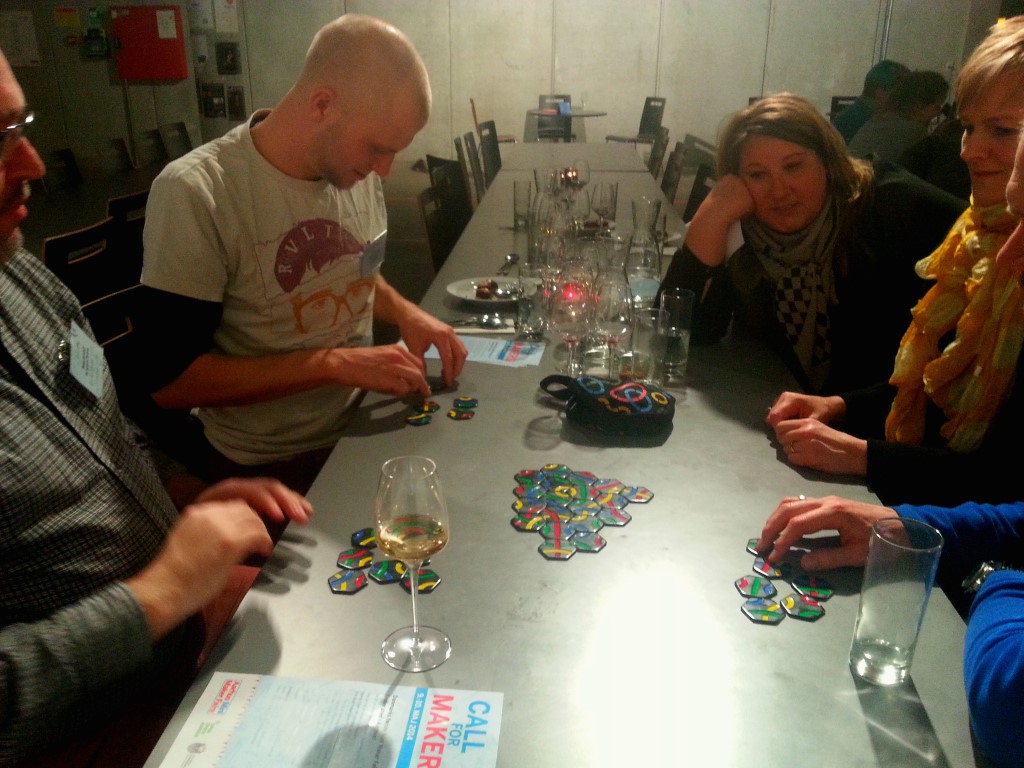
    On Thursday afternoon, we went to “Godsbanen” for Spilbar & later on dinner. Thomas Gregersen from Shareplay had put together a great event with lots of “local multiplayer” games like JS Joust, Laza Knitez!!, Stikbold! and Spin the Bottle.

    It was a perfect break from the packed schedule at the library, and people seemed to have a great time, playing games, talking, relaxing, drawing: drawing (Medium)Dinner was nice, and people just kept playing different games: moregames (Medium)

    I could continue, because there’s so many thoughts & observations, that I’d like to share. I think I’ll resist, and simply finish with a short & brilliant quote from the final keynote, Miguel Sicart, which wrapped everything up nicely (while making my thoughts move frantically in all directions):

    miguelsicart (Medium)

    These are all just some of the impressions from this first edition, and I’m working on a slightly more formal evaluation, which I’ll present in future post(s).

    Also, remember that the conversation about #CounterPlay15 has already begun, and you’re most welcome to participate. CounterPlay will always stay open & transparent, and it will continue to be shaped by anybody that care.

  • Playful Learning

    Playful Learning is where I’ve spent a large part of my time the past 5-6 years.

    This track is about all the many, many ways, in which learning and education can benefit from working with games, and, perhaps more importantly, becoming more playful.

    One popular approach is using actual games to support and facilitate the process of learning – about, in principle, anything.

    This game was what got me started in this area:

    While I could point out several problems in the way that game is a game, I was inspired by students suddenly engaging in the complex conflict because they felt like they had a say, and could talk to actual (virtual) people (among other things).

    Where the above is a “serious” games, a game developed for educational purposes, I see more and more amazing projects with all kinds of games, that was initially made for no other purpose than to be played.

    Sim City.

    Portal.

    The Walking Dead.

    Angry Birds.

    More than any other game, I see people using Minecraft in a million different ways:

    Another approach could be allowing students to develop their own games in school. You can do this to work with the “game literacy” of students by exploring the mechanics & often invisible “inner workings” of games. You can also make games because it’s a creative process, that can foster important skills like curiosity, collaboration, communication, creativity, programming etc.

    Making games also resonates with the notion of “participatory culture” and the popular “Maker Movement“, that argue in favor of a shift from more or less passive consumption towards active production and participation.

    Then there’s the approach, that considers games a better model for designing structures around learning, than anything we have ever done within education.

    I guess the always inspiring James Paul Gee is one of the most prominent proponents of this:

    That’s all games.

    What about play without games?

    Is there an irreconcilable clash between the relatively rigid structures and goal orientation of education, and the seemingly unregulated way kids (and adults, if I may!) play?

    It’s not that a more playful stance in education would collide with ambitious learning goals.

    On the contrary.

    The major problem is probably, that our current goals are not ambitious enough and too tied up in the same old goals, measured in the same old way.

    Danish creativity researcher Lene Tangaard claims, that formal education has a certain reluctance to fully embrace creativity, as it’s so terribly hard to A) measure and B) control. If you ask people to really be creative, there’s an inherent risk, that the output won’t be what you expected. Well, that’s a success criterion, right?

    I think the same, to an extent, goes for allowing a more playful approach to learning. When we play, we explore the world and our social relationships in new, curious and creative ways. We are more willing to interact differently, to approach problems differently, to keep playing despite challenges and having to adopt new roles.

    None of this is easy to control, neither the process nor the outcome.

    Just as we often talk about creativity without actually allowing the space for people to be creative, so it seems we’re increasingly “sneakily redefining play“, so that it suits our educational goals.

    This is, of course, not the value of play in education.

    It’s the other way around.

    Not making play more like school, but making school more like play.

    In my mind, “playful learning” is also a much needed counterreaction to the widespread focus on rigid testing of skills, that might not be what’s most important in society today and in the future.

    These things are what “playful learning” is about, and it’s some of the areas, that CounterPlay will cover. It’s not, however, everything playful learning can be.

    I’m sure your interpretation is different than mine, and CounterPlay is interested in any perspective on “playful learning” imaginable. It’s a point at the very core of the festival, actually – we need to explore the field together to uncover all the valuable perspectives.

    Let’s start talking, playing & learning – right now!

  • Towards CounterPlay ’14

    As we’re rapidly approaching early April and the first edition of CounterPlay (too rapidly, one might think), lots of exciting things are happening.

    Here’s a few of the most important recent developments.

    Deadline for registration

    Calendar-iconFirst of all, I’ve decided to create a deadline for registration.

    So – make sure to sign up before March 10!

    I generally like to keep things open & inclusive, and until now, people have been allowed to register at their own pace.

    That’s been fine so far, but I simply need to know a bit more about who & how many is coming in order to plan the best possible festival for you.

    This might cause some people to miss the event, but I guess that’s inevitable anyway.

    Did I mention, that maybe you should just head over and register right now?

    New speakers

    Receiving all kinds of messages from amazing people, who want to be a part of CounterPlay has been – to put it mildly – an overwhelmingly positive experience.

    It tells me, among other things, that many people want to share the passion of playing. This makes me happy and hopeful for the future of work, life, play.

    Harald Warmelink (@hjgw)from Delft University of Technology has done extensive research on how “gaming communities can function as a useful analogue for work organizations”. Harald will give a talk, that shares the title with his new book, “Online Gaming and Playful Organization“.

    Jean-Baptiste Huynh is the CEO of WeWantToKnow, who developed the popular math (algebra) game, DragonBox. Jean-Baptiste will talk about “The biggest math class ever- experience from the Norway Algebra Challenge“, which has just taken place in Norway.

    I’m also really happy to announce another local speaker in Morten Fryland from Playground Marketing. Morten will share experiences from their work with “Branding through playful interaction”.

    What’s next?

    If you are planning to come to the festival, and want to pitch something, maybe you should participate in the pecha kucha sessions?

    I continue to look for sponsors, and while I’m having some promising conversations, any suggestions are welcome.

    I’m also working hard to make sure as many relevant groups as possible are acquainted with CounterPlay, as the idea of conversations across domains is central to the festival.

    If you want to help in this endeavour, you can simply share a link to this website (or the programme) with your network. I also very much appreciate any mention on your blog, in your newsletter etc. If you need something from me, just let me know.

    Currenly, a playful graphic designer is performing drastic changes to the visual style of CounterPlay, and we’ll have an updated version of the programme out next week.

    Pay attention to this site & #CounterPlay14 for upcoming updates.

    Oh, and…

    Stay playful!

  • Speaker announcement

    Speaker announcement

    I am not yet done working on the first edition of the programme, but I just decided to do an informal announcement of the currently confirmed speakers.

    And how could I not do something like that on Twitter using #CounterPlay14?

    If you missed it, see the announcements below.

    There’s more to come, and remember – all of this only happens, because nice & brilliant people want to get involved. Do you have something playful to share? Let me know!

    [Additional updates (December 19th)]


    [Additional updates (December 20th)]


    [Additional updates (December 22th)]


  • CounterPlay – getting closer

    CounterPlay – getting closer

    [This is a repost from my own blog]

    About a month ago, I wrote about my plans for creating a festival of play & games in Aarhus. In the meantime, I’ve been working on turning my plans and ideas, my dream, into reality. Lots of exciting things are happening, and a growing number of people are expressing their interest & willingness to contribute in various ways.

    It feels like things are finally falling into place.

    What is this?

    CounterPlay is a recurring 2-day festival that aims to bring together anybody working with play and/or games:

    1. To expand our understanding of games & play

    2. To contribute to a wider awareness of the potential impact of games & play

    “Referring to ludic or playful vitality in its most transformative expressions, counterplay speaks directly to the disruptive creation of the new through the reiterations of gaming” (Apperley & Dieter)

    CounterPlay is a tribute to and an exploration of the many ways, in which a more playful approach can help us live better lives. Let’s focus on the excitement, intense engagement and rich experiences of people involved in all kinds of playing experiences. This sparks an investigation of how play can be transformative, change our thinking, push our boundaries and lead us places, we never imagined.

    I want to break down barriers, further insights and contribute to the slowly evolving and widening perceptions of what play & games is and can be. I want to establish a stronger foothold for informed conversations about play and games everywhere (from the long description

    To focus and structure the event, I operate with these three categories:

    • Playful Learning
    • Playful Culture
    • Playful Business

    Playful Learning covers the entire field related to play, games & learning, in & out of education. How can specific games be used as teaching tools? How are games catalysts of “interest-driven learning“? Why should students make their own games in school? Can games inspire us to think differently about learning?

    Playful Culture is all about the many, many ways in which games and play are a large part of our culture. What are the relations between games and other media?  How can libraries become even better at working with games? What is the future of games journalism? Are we moving from a focus on “games” to a focus on “play”? Stories from the frontlines – what are the stories people bring back from the virtual adventures?

    Playful Business explores how public & private organisations & companies can benefit from more playful approaches. Can games support better healthcare & public health? Is it possible to use games as a means of communication? Can games be used for teambuilding and other HR-purposes?

    Furthermore, the notion of being playful is at the very core of CounterPlay. Playing is not just a means to an end – it is a very legitimate and attractive purpose in itself.

    I will be juggling with many different formats, ranging from the structured, more formal talks over shorter pitches to open-space sessions and hands-on workshops. Oh, and there’ll be a playground, of course, where you can try a selection of games and engage in various playful activities.

    I also want to make it as easy as possible for participants to meet up, to talk, to develop ideas & concepts, or simply to play.

    I’m playing around with a possible schedule, which currently looks like this:

    While this schedule is still subject to change, I think it is quite indicative as to how I expect the final version to look. Now I’m working to fill it with amazing people, and it seems an impressive part of my network are keen to embark on this adventure with me.

    Who should come?

    I have a strong belief, that all of us are in constant need of fresh perspectives, of talking to people with backgrounds different to our own, to see the world of play with new eyes. We need to allow other people and new experiences to challenge our more or less consolidated ideas and beliefs.

    CounterPlay is literally for anybody who is already working or wants to work with games and playful activities. Basically, if you are interested in figuring out how you, your colleagues, your company or organization can become more playful, and how that can be fruitful and valuable, come play with us.

    Being more specific, these are some of the groups I hope to see:

    • Pedagogues
    • Teachers
    • Researchers
    • Journalists
    • Librarians
    • Game developers
    • HR & communication

    When & where?

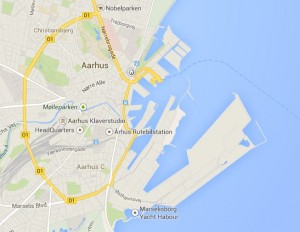
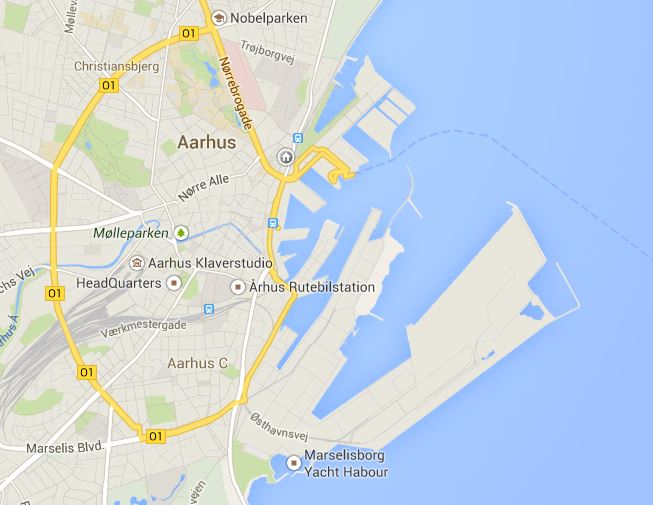
    aarhus_gmapsAs mentioned, it’ll be in Aarhus. This is not (only) me being stubborn in arguing, that important things can take place in Aarhus. I think many cool projects are gaining momentum here, and I would love to support this. While embedded locally, the perspective is international. I’m thinking English as the primary language, and I’ve talked to several people around Northern Europe, who are keen to be part of this.

    I’m collaborating with the main public library here, and they might also host the event (this is not confirmed, and we’re currently examining if it’s a feasible solution, if there’s enough space etc.).

    I need to confirm the dates, but as I’m also planning an EdCamp in Aarhus in the spring, on April 5., I’m thinking about having the festival in the days leading up to this, April 3th and 4th. This might change, but I’m fairly certain it’ll be in April. More on this very soon.

    Economy

    bag_dollars (Medium)As this is something I’m building from scratch, I don’t have a huge pile of money to spend. I’ll strive to keep expenses at a minimum, while making sure that I cover the expenses of speakers, partners etc. The primary source of income for this first edition is, most likely, going to be what people pay to participate (which I, again, don’t want to be too much).

    I don’t have any elaborate sponsor schemes up and running yet, but if you are interested in becoming a sponsor, get in touch and let’s talk about it.

    In the longer run, I would like for this to evolve into a financially sustainable entity, but with a non-profit approach. I want to be able to pay people for the work they do, but I don’t want to accumulate a large surplus. Should it ever become relevant, such money will be spend on improving future conferences as well as supporting similar initiatives.

    Who & how?

    Me & a dinosaurSomebody might want to know who’s behind this, and what the agenda is. That’s more than fair, not least because I’m constantly advocating transparency as an ideal, and I try really hard to always go as far as possible in this direction.

    I’ve been self-employed, working with games/learning/culture, for the past five years, and it’s been the most amazing adventure, that I dream of continuing…forever.

    I’ve described elsewhere, why I think CounterPlay is a relevant initiative, that might make us more insightful on the characteristics and potentials of play and games, hopefully in playful ways.

    My personal stake in this project is, that A) I’m uncontrollably curious and would like to broaden my professional scope, while merging my many different fields of interest, B) expand my network in a meaningful way and C) in the longer run, I would like CounterPlay to become a permanent & sustainable part of my work.

    At this point, I’m the only person responsible for CounterPlay, which means, that if it ends up being a spectacular failure, it’s on me, and I’m fine with that (if it’s a success, I’ll happily share the spotlight with everybody involved).

    I’ll try to keep everything as light and agile as possible, leaving as little administrative work for myself and anybody involved. So far, most of this has been done with Twitter, Skype & mail. If it doesn’t get more formal than that, it’s fine with me.

    Do you want to play along?

    I’m currently talking to a host of brilliant people, who are showing an interest in collaborating, in giving talks and in other ways contributing to making this happen. For that, I’m immensely grateful. I want this festival to be an open & inclusive one, one that embraces the diversity of these fields, and one that is continously shaped by participants. I want it to become whatever you need it to be, and any input is most welcome.

    Do you want to give a talk? Host a workshop? Showcase/playtest a game? Do you have comments or questions?

    Get in touch, in whichever way suits you!