Category: About CounterPlay

  • Making a play festival playful

    Making a play festival playful

    [et_pb_section admin_label=”section”][et_pb_row admin_label=”row”][et_pb_column type=”4_4″][et_pb_text admin_label=”Text” background_layout=”light” text_orientation=”left” use_border_color=”off” border_color=”#ffffff” border_style=”solid”]

    It’s been a while since the third CounterPlay festival ended, but we’re still extremely excited that so many wonderful people came from all around the world to play and we still feel the energy. We’ve been evaluating and reflecting on the event, including question of what actually makes a play festival like CounterPlay truly playful?

    In three posts, I’ll look at three related components that influence the playful attitude of the festival (and any attempt to create a playful culture in general, I might add):

    [/et_pb_text][et_pb_image admin_label=”Image” src=”http://www.counterplay.org/wp-content/uploads/2016/05/IMG_1124-Medium-1.jpg” show_in_lightbox=”off” url_new_window=”off” use_overlay=”off” animation=”left” sticky=”off” align=”left” force_fullwidth=”off” always_center_on_mobile=”on” use_border_color=”off” border_color=”#ffffff” border_style=”solid”] [/et_pb_image][/et_pb_column][/et_pb_row][et_pb_row admin_label=”Row”][et_pb_column type=”4_4″][et_pb_text admin_label=”Diversity” background_layout=”light” text_orientation=”left” use_border_color=”off” border_color=”#ffffff” border_style=”solid”]

    The diversity of play

    When you’re playful, you engage with the world as a possibility space, where anything can happen. There are no right or wrong answers and the roles, rules and very purpose can change while you engage with your ideas, thoughts, people and the world through play. You don’t necessarily need absolute freedom to play, but true play is unlikely to happen if you’re specifically told when, where, how and with whom to play. Hence, one way to invite playfulness is to abstain from giving simple answers or definitions of what play can be. The mistake we often make is providing pre-packaged play solutions (like games or toys designed for a very specific purpose) that leave little to no space to the imagination of the player. We know from Umberto Eco that “empty spaces” are part and parcel of a rich experience, as we are stimulated by “filling out the blanks”.

    For play to really mean something and be potentially transformative, it needs to resonate with your sense of self.
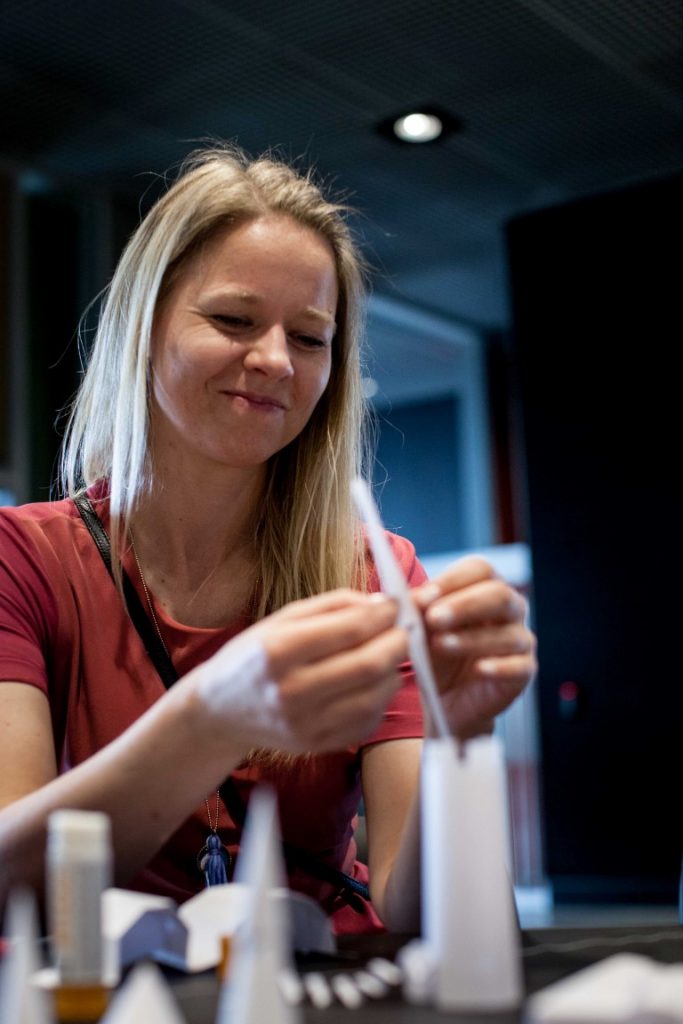
     

    IMG_1207 (Medium)For play to really mean something and be potentially transformative, it needs to resonate with your sense of self. It can definitely challenge you and your worldview, but not too much at once (think Vygotsky’s “zone of proximal development” and Csikszentmihalyi‘s “flow theory). To create a space where different people can experience this, it’s important to understand and respect the diversity of play:

    “Play […] can manifest itself in many different ways in humans. It may be solitary, social, pretend, imaginary, symbolic, verbal, socio-dramatic, constructional, rough-and-tumble, manipulative, and so forth” (Play, Playfulness, Creativity and Innovation)

    Play is “paradoxical because it displays one quality and the opposite of that quality at the same time” (Henricks, 2009) and a highly ambigous phenomenon:

    “We all play occasionally, and we all know what playing feels like. But when it comes to making theoretical statements about what play is, we fall into silliness. There is little agreement among us, and much ambiguity” (Sutton-Smith, 1997)

    This ambiguity is exactly why we are concerned with play in the broadest sense, as any one narrow focus will miss out on so much. To understand play and to allow people to find out how play makes sense to them, the ambiguity and diversity must be built directly into the foundation. Representing the full breadth of play is obviously impossible in the span of just a few short days, but I nonetheless feel like we improved a lot in this area and at least some participants seem to agree:

    [/et_pb_text][et_pb_testimonial admin_label=”Andrew Walsh” author=”Andrew Walsh” url=”http://gamesforlibraries.blogspot.dk/” url_new_window=”off” quote_icon=”on” use_background_color=”on” background_color=”#f5f5f5″ background_layout=”light” text_orientation=”left” use_border_color=”off” border_color=”#ffffff” border_style=”solid”]

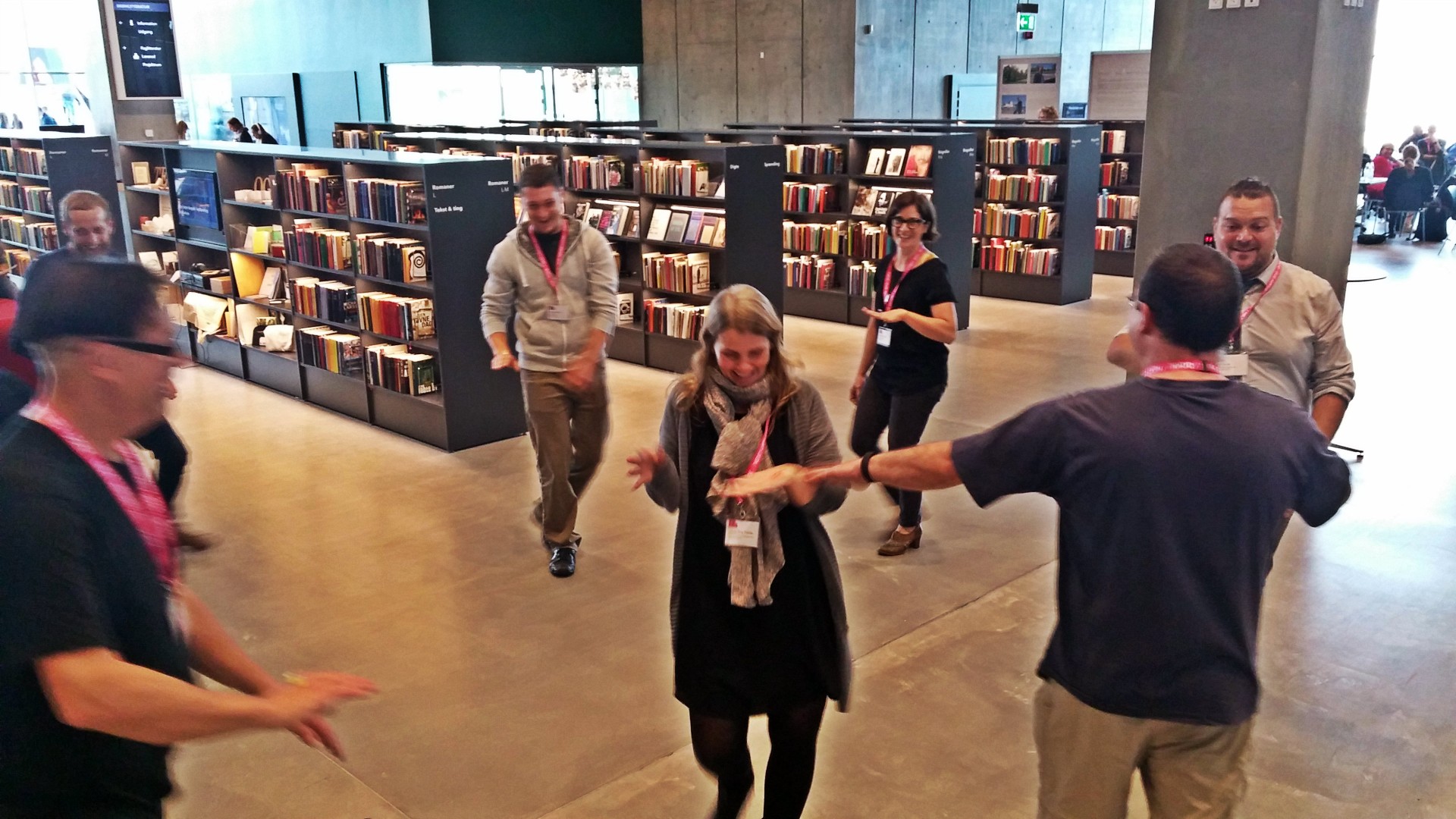
    Counter play was an unusual and wonderfully playful mix of experiences. It is the only conference I’ve been to that involved Marimba dancing before the first talk of the day, a (genuine) clown giving a keynote, and a summary of the conference by a giant cardboard rabbit. Playful, inspirational and invigorating, Counterplay was an amazing event to be part of. By the way, tig, you’re on.

    [/et_pb_testimonial][et_pb_testimonial admin_label=”Toke Laugesen” author=”Toke Laugesen” url_new_window=”off” quote_icon=”on” use_background_color=”on” background_color=”#f5f5f5″ background_layout=”light” text_orientation=”left” use_border_color=”off” border_color=”#ffffff” border_style=”solid”]

    I think just the multidiciplinary diversity alone was amazing. I was blown away by how many people are working very methodically and seriously with what play can be.

    [/et_pb_testimonial][et_pb_testimonial admin_label=”Heidi Hautopp” author=”Heidi Hautopp” url_new_window=”off” quote_icon=”on” use_background_color=”on” background_color=”#f5f5f5″ background_layout=”light” text_orientation=”left” use_border_color=”off” border_color=”#ffffff” border_style=”solid”]

    To participate in CounterPlay Festival is like entering into a candy store where you have been giving permission to try all your favorite sweets – also the purple squared once you did not know that you liked 🙂

    [/et_pb_testimonial][et_pb_text admin_label=”Text” background_layout=”light” text_orientation=”left” use_border_color=”off” border_color=”#ffffff” border_style=”solid”]

    When you embrace diversity, and you create something more like a sandbox than a linear and strictly controlled experience, you also inevitably design for unpredictability. When you play, and you’re immersed, really feeling playful, it’s impossible to completely predict or control the outcomes. It’s a point we’re trying to make, of course, and I hope that this comes across: you can make something extremely valuable happen without knowing what it will be like.

    In the next post, I’ll examine the community part of CounterPlay.

    [/et_pb_text][et_pb_image admin_label=”Image” src=”http://www.counterplay.org/wp-content/uploads/2016/05/DSCF1617-Medium.jpg” show_in_lightbox=”off” url_new_window=”off” use_overlay=”off” animation=”left” sticky=”off” align=”left” force_fullwidth=”off” always_center_on_mobile=”on” use_border_color=”off” border_color=”#ffffff” border_style=”solid”] [/et_pb_image][et_pb_post_nav admin_label=”Post Navigation” in_same_term=”off” hide_prev=”on” hide_next=”off” next_text=”Read the next post in this series: %title” use_border_color=”off” border_color=”#ffffff” border_style=”solid”] [/et_pb_post_nav][/et_pb_column][/et_pb_row][/et_pb_section]
  • Organising CounterPlay ’16

    Organising CounterPlay ’16

    Working on CounterPlay ’16, it’s clear that we need to also focus on the way the festival is organised. Even though we want CounterPlay to be deliberately (somewhat) chaotic to support a more relaxed, informal and playful atmosphere, we also strive to make it as meaningful as possible.

    It’s a constant dance between rigid structure and full-blown chaos. Some people want more of the former, while other wish for more of the latter. People are different, and there’s no way to make everybody happy, but we’ll try to keep learning from our experiences. It needs to feel right, and that calls for some consideration and changes on multiple levels. I think the festival should retain some of the conferency elements, while also moving more towards a proper festival. So far, CounterPlay has mostly been for those who pay to participate in the whole shebang, and while that is a good foundation, we also need more open access to parts of the festival. Maybe the festival could be an entire week of playful events and then the confestival (that is supposed to be more festival than conference) would be Thursday-Saturday?

    Organisation

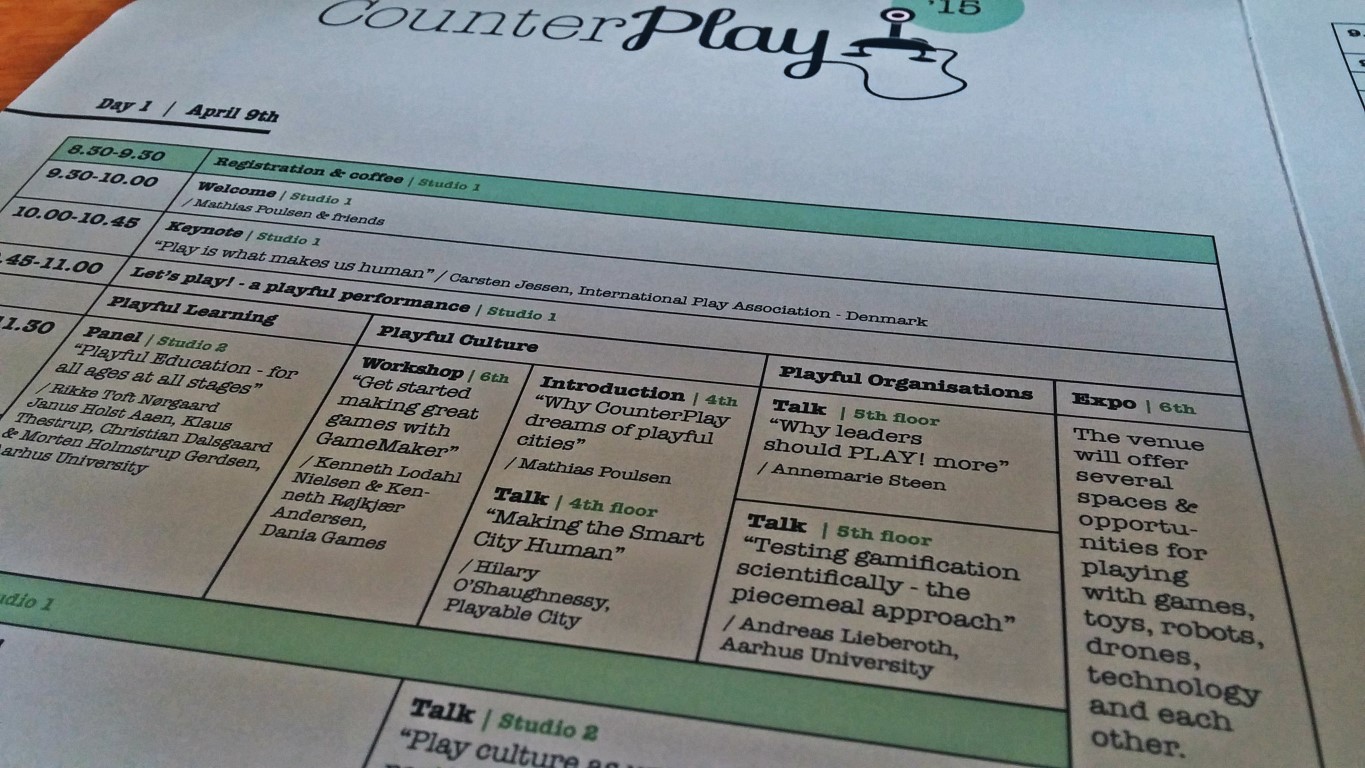
    How do you structure something like this? counterplay_schedule (Medium) For the first two festivals, we’ve used three parallel tracks representing (roughly) culture & society, education and organisations. It also served the purpose of signalling the different approaches to playfulness. It was a way to say:

    Hey, this is not just for teachers / librarians / consultants / leaders / journalists / politicians / game developers / commuicators / and-so-on

    Rather, it’s for all of these people and many, many more. We wish to cultivate communities of different people, professionals, who can benefit from playfulness in their everyday life and work. This remains at the core, but I think, however, that we may need to create a more flexible and transparent framework and maybe it’s time to leave the three rigid tracks behind. Maybe we should instead use a combination of a more elaborate tagging system with informative keywords and an indication of the complexity of each session. If a session is based on,say, specific experience with designing for urban spaces, and it requires a bit of knowledge beforehand, it could be tagged: [su_label type=”success”]Creative Development[/su_label] [su_label type=”success”]Design[/su_label] [su_label type=”success”]Urban Spaces[/su_label] [su_label type=”warning”]Complexity: Medium[/su_label]   We would still have to schedule things, so too similar sessions are not right on top of each other, but I think we could make things a lot more flexible and transparent with the right tagging system.

    Formats

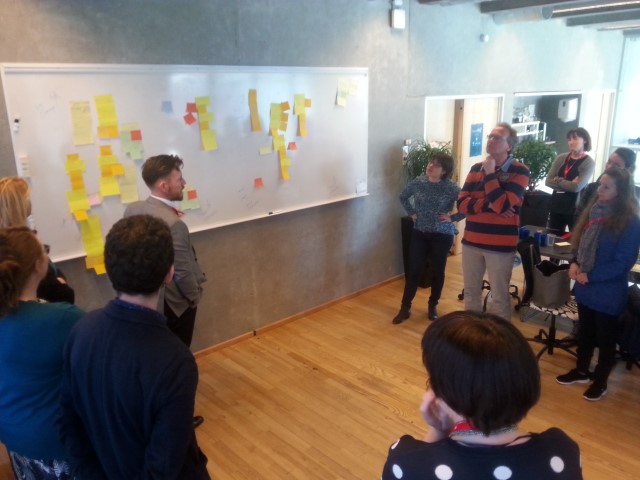
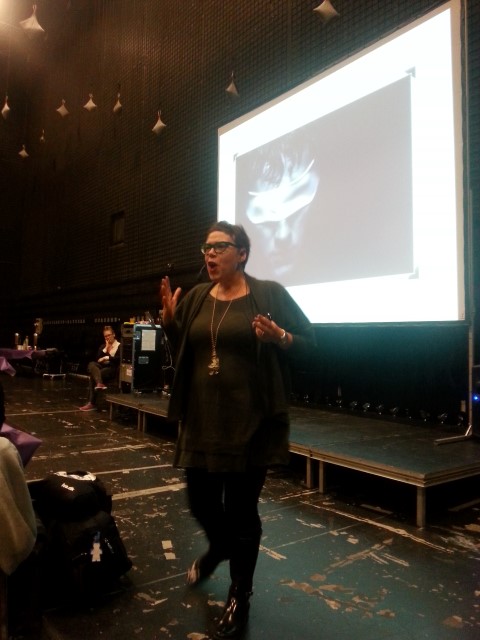
    We’ve been experimenting with many different formats, and we’ll undoubtedly continue to do so. What we really want, is to increase the level of interactivity: less one-way talk, more debate, action and play. We suggest that every contribution is playful by nature, but we should probably take it further and have less traditional talks. Maybe we could reduce the “talks” to a handful of keynotes and some super short talks (e.g. Pecha Kucha or Ignite) and focus more on the activity-based content? Maybe something like this, where the main formats are PLAY/CREATE/DEBATE? [su_tabs vertical=”yes”][su_tab title=”Play”]CounterPlay is about many things, but play is obviously central. It’s important for us to create spaces for many kinds of play, letting diverse groups of people play in many different ways with many different purposes. Next year, we’ll have the best conditions for this with the big open spaces of DOKK1 and we strive to put play at the heart of everything. TurtleWushu_1 (Large) [/su_tab] [su_tab title=”Create”]The festival should be a space for creating, ranging from making games, toys and new ways to play to creating new ideas and ways of thinking about play. We should have spaces for building things out of cardboard and wood as well as bits and pixels, and generally remember that to create can mean many different things. 2015-10-11 14.43.09 (Small) [/su_tab] [su_tab title=”Debate”]We love insightful debates and conversations, and the idea about bringing different people together to explore playfulness together calls for lots of opportunities and spaces where these exchanges can happen. It can be panels, roundtables, informal conversations, open spaces and much more. The important thing is that it’s not just one person talking. 20150410_115537 (Small) [/su_tab] [su_tab title=”Keynotes”]While the interactive elements should be central, sometimes the best thing is to listen to inspiring people share their passion and unfold their arguments in a bit more depth, and I imagine this can take place in a handful of keynotes during the festival. 20150410_090646 (Small) [/su_tab] [su_tab title=”PechaKucha”]These super short and condensed talks can be extremely energetic and inspiring, and would be a perfect way to share ideas and experiences for further work and discussion. [/su_tab][/su_tabs]

    Themes


    The festival always aims to explore playfulness from many angles and in many different areas of society. We won’t try to force everything into boxes and categories, but we will be selecting specific themes to investigate in a bit more depth. For next year, we are currently exploring a few themes in more detail:

    [su_tabs vertical=”yes”][su_tab title=”Leadership”]We read an article and had a discussion in our Facebook group on “playful leadership”, and it seems like a very important topic to investigate. If we want to create real changes anywhere, leaders play a central role and need to participate in the ongoing conversation and exploration.[/su_tab]

    [su_tab title=”Urban Spaces”]We’re very interested in creating more playful cities, and enabling playful interventions in urban spaces. When people start playing in our cities, it creates a kind of friction that helps us question the very purpose of the city.[/su_tab]

    [su_tab title=”Playful Society”]This is a probably too broad and in a way it’s more a part of our long-term goal to create a more playful society. Even so, we’ve had some really interesting conversations with people on what constitutes a playful society, how we move in that direction and how we know when we’ve got it – and more. Follow #playfulsociety on Twitter to keep up.[/su_tab]

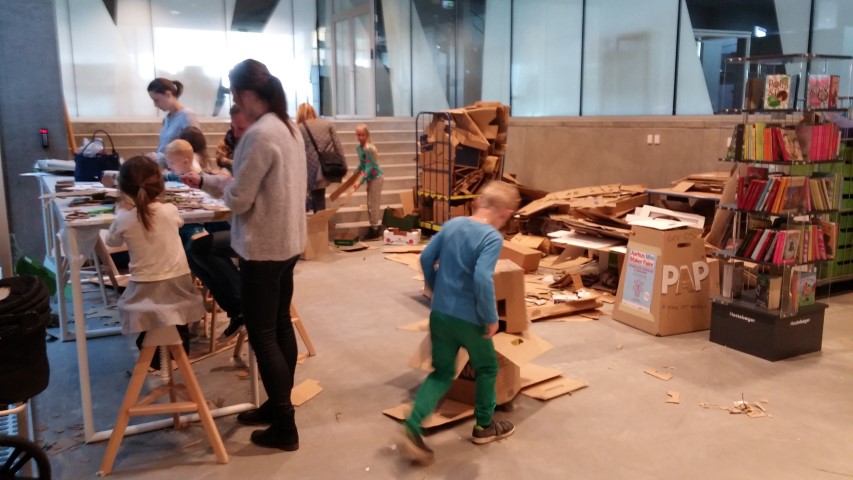
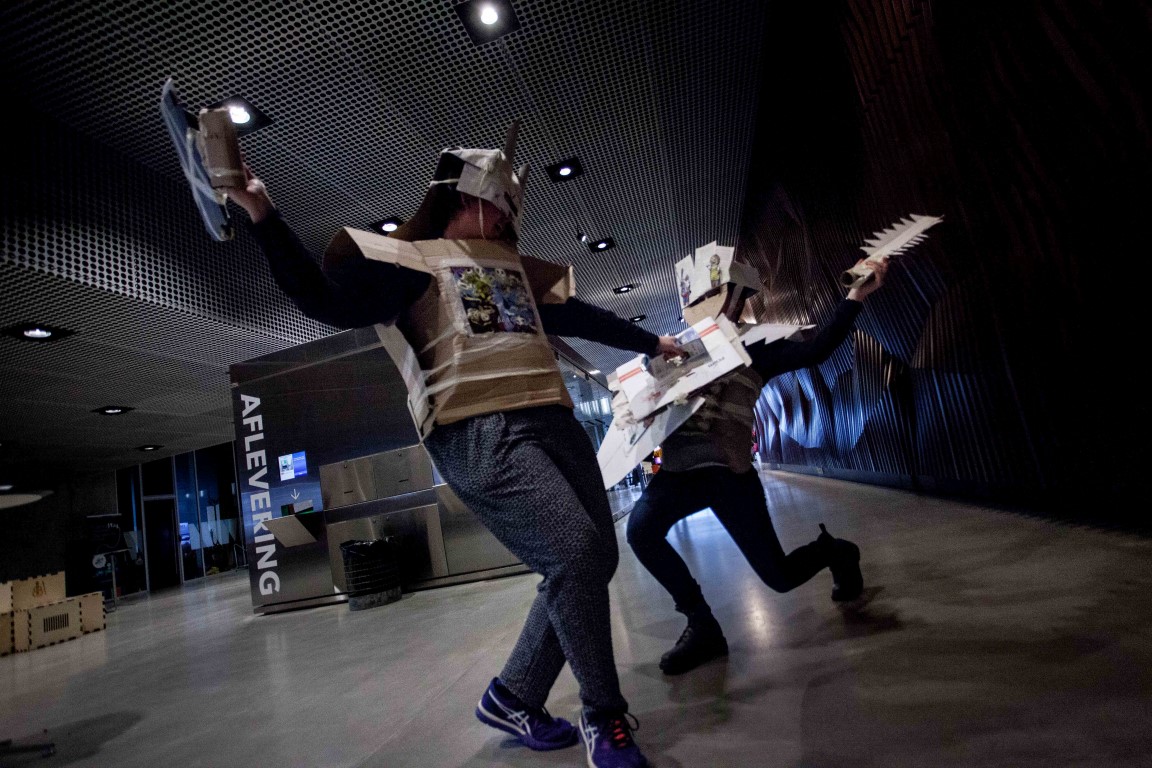
    [su_tab title=”Cardboard”]We hosted the Global Cardboard Challenge, and we love all the creative constructions people are making when playing with cardboard, so we’ll definitely include this as a theme in the festival.[/su_tab][/su_tabs]

    Aside from these, we are still open to suggestions.

    I would personally like to also explore areas like “playful activism” and “playful global citizenship”, but let’s hear what you think.


  • Impressions from CounterPlay ’15

    Impressions from CounterPlay ’15

    With the second edition of CounterPlay over, we’re working on evaluation and documentation…and slowly preparing for CounterPlay ’16.

    I thought I would share some thoughts from behind the (already fairly transparent) scenes, so this post is my personal reflections on my work with and experiences from the festival.

    Leading up to the festival, I had been equal parts busy and terrified. So many things could go wrong, so many people could end up being disappointed. I had expected things to be easier than the first time, but it was the exact opposite. Almost every single thing was harder. Maybe the newsworthiness made the first time more smooth, maybe more was at stake this time. Part of it certainly had to do with moving to a new venue.

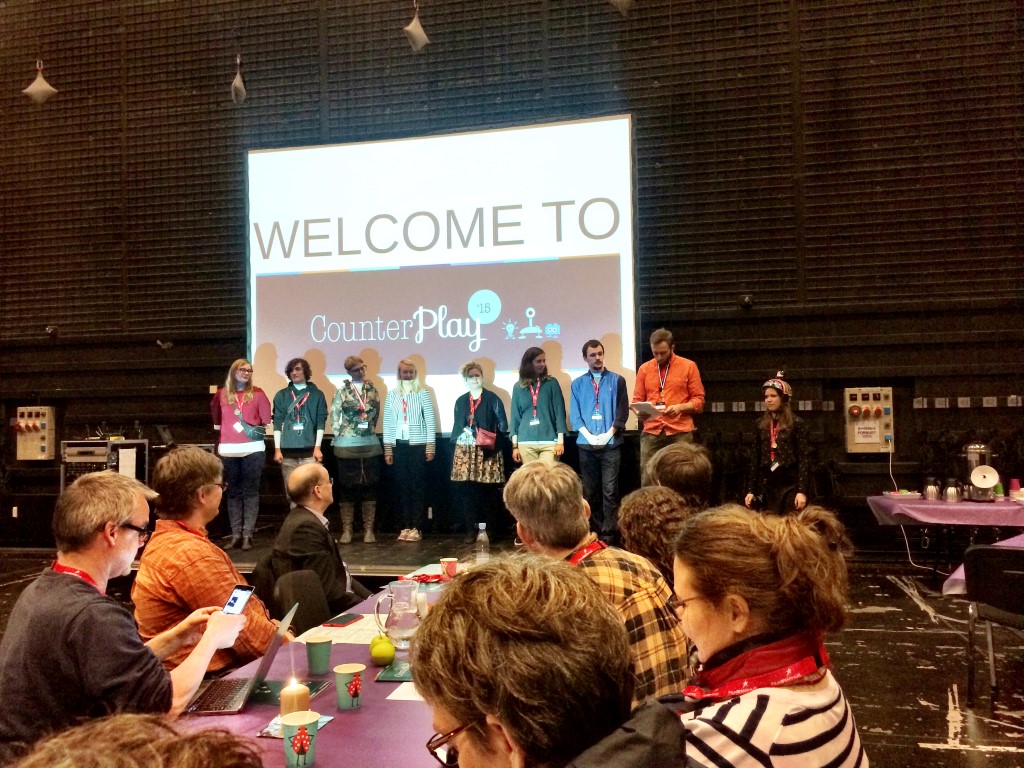
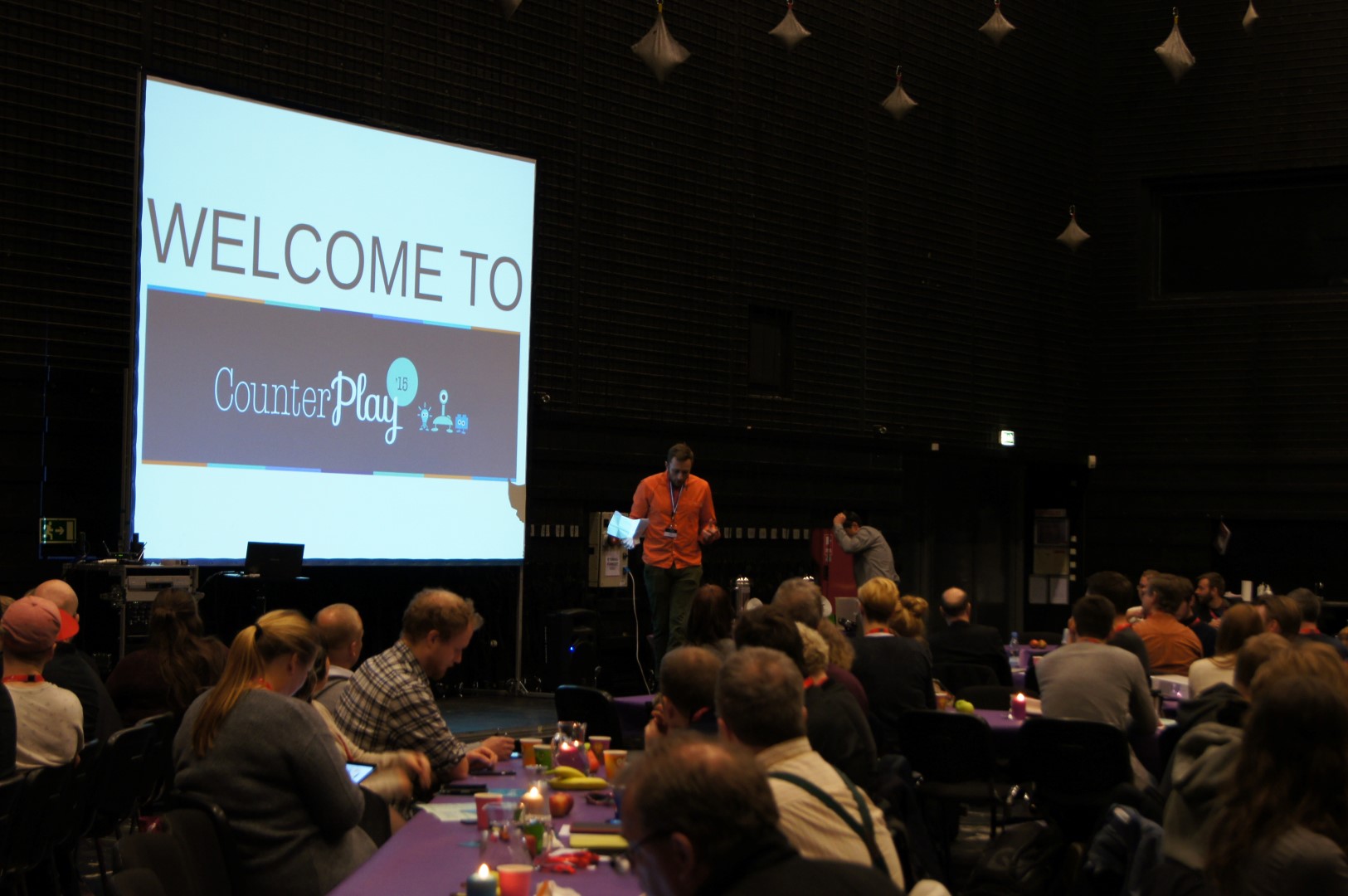
    When it was finally time to welcome all the wonderful participants, well, I was still terribly nervous. Almost 200 lovely people were seated, ready to dedicate two days of their busy lives to engage with a topic so incredibly important to me.

    SONY DSC

    I said some things:

    We want to connect domains, that are usually disconnected. We want to bring people together, who would probably not otherwise meet. These days, it’s easier than ever to stay in our own circles or “bubbles”, as it’s often called. I really, truly believe that for better things to happen in this weird, messy world, we need to explore things that matter – together. We need to accept that no single homogenous group can do much by themselves.

    Play can be utterly transformative, it can change the way we interact with each other and the way we see the world around us. When we’re playing, we’re in another state of mind. Play allows us to see things in a different light, it can create a kind of “friction” between us and the world.

    I always wanted you to use the festival to create something, that is important to you. I can’t stress this enough – please steal the festival! Please use it as a framework, a lens, a stage. If you feel like making something happen during the festival, just go ahead.

    And then it all began.

    My gut feeling says I should be satisfied. I’m calm again, and I’m happy with how it went. People smiled a lot and many lovely participants said very nice things.

    What I loved

    More than anything, I’m impressed with the atmosphere (again). Early on, I got the impression that people felt safe, relaxed, eager to participate and play. It’s the most important part of CounterPlay and what must be preserved at all costs. It’s illustrated beautifully by this that happened at the end of Elaine Rumboll’s wonderful keynote:

    https://vine.co/v/eB2b5KB2Tld

    While we had several hiccups, things that didn’t go according to plan and small surprises, I think most sessions went more or less like they were supposed to. This was only partly due to our planning, and mostly due to the amazing flexibility of the many wonderful contributors and incredibly helpful participants – so thank you, all of you!

    CounterPlay is made up of so many different components, and this year it was also spread over a fairly big area, but it seemed like people were moving around a lot, exploring the different areas and tracks.

    After the main part of the festival, we hosted a smaller “academic workshop”, and while we were only around 15 people, it was a great opportunity to dwell on the impressions from the festival (thank you, Stine & Camilla for the effort you put into that!).

    People really embraced Twitter during the festival, and lots of discussions took place at #CounterPlay15 (all collected here). Let’s keep up that conversation (and do remember the Facebook group as well).

    Oh, and the food. Man, was I impressed by those people (Mefisto & Gourmiddag, if you’re curious). If we can, we’ll make sure to use them again next year, I promise.

    Things to work on

    While I’m generally happy, I also see lots of things to tweak and change (and I’m more than happy to hear from you in this regard).

    The “academic workshop” was a wonderful experience, partly because it was separated from the main part of the festival, but it also meant most people missed out. It was basically just a space to reflect upon and discuss some of the central topics at a slower pace. I think we’ll keep the workshop as a stand-alone activity, but we’ll also to figure out how to embed that “space” into the festival, maybe like a “World Café“, as suggested by Moire O’Reilly:

    The Play Space didn’t work out exactly as I had hoped. It wasn’t the central hub like last year; it wasn’t the rug that tied the room together. This can, to some extent, be explained by the venue combined with a tight schedule. Having to go all the way to the 6th floor, while things were going on elsewhere probably caused many people to miss it altogether. We’ll also need to work with the diversity of the content, so it covers a broader spectrum of playful activities.

    I know some people ended up at talks/workshops that weren’t what they expected. We can probably never avoid this, but we’ll have to make the program more transparent next year. We can improve the descriptions, maybe develop a model to ensure all descriptions answer some basic questions.

    Finally, I always intended to do more with CounterPlay than “just” the festival, and we’re currently contemplating how to do that. How do we take topics, issues, questions and debates from the festival and investigate them elsewhere – in schools, libraries, museums, private companies and so on. Can we facilitate playful experiments that link the festival to everyday practice? Initiatives that would themselves create value locally, but could also help develop the festival.

    Stay tuned, stay in touch, help us shape the festival and let’s stay playful together.

  • CounterPlay – på dansk

    Nu nærmer vi os hastigt den 2. udgave af CounterPlay, og vi arbejder på højtryk for at lave den bedst mulige festival.

    Personligt er jeg ikke et øjeblik i tvivl om, at det bliver en helt fantastisk oplevelse for alle involverede.

    Med festivalen forsøger vi at ramme en balance mellem det internationale udsyn, og den lokale forankring. Det er ret vigtigt for mig, at CounterPlay fastholder et internationalt sigte og opdyrker et internationalt fællesskab. Vi skal lave noget, der er godt og ambitiøst nok til at være relevant uden for landets grænser, og vi skal bringe perspektiver fra hele verden ind, så vi kan kvalificere det der foregår her.

    Det er imidlertid lige så vigtigt, at festivalen er stærkt forankret i Danmark, både lokalt, regionalt og nationalt.

    Den problemstilling modtager vi gerne hjælp til at håndtere, både nu og på længere sigt.

    For at forklare nogle af tankerne bag, og gøre det (forhåbentlig) lidt mere klart, hvem der kan have gavn af at deltage, har jeg lavet disse fire videoer, der hhv. berører festivalen overordnet set, og de tre hovedområder, Playful Culture, Playful Learning og Playful Organisations:

  • CounterPlay ’15 Contributors #1

    We’ve been working hard on CounterPlay ’15 for the past several months, and we’re very happy to announce the first batch of contributors for the upcoming festival. While this is already an amazing collection, we’ve got a lot more coming, and we aim to have a first edition of the actual program ready within a few weeks.

    The contributions cover several different formats and activities, from talks to workshops and playful events, as well as a lot of things in between. The common denominator is the playful approach – to education, to culture, to our jobs, to communication, to our lives (we are working on some guidelines for CounterPlay contributions, where we ask one central question: how do you playfully engage your participants?).

    Let’s get to it:

    From the outset, I realised that “Playful Organisations” (“Playful Business” at the first festival, and here’s a flyer we’re working on) would probably be the hardest one to communicate. A lot is going on in the pretty wide domain of “Playful Culture”, and I’ve also seen a huge boost in “Playful Education” lately, but it seems it takes a bit more work to link this to the work going on in companies and organisations. That’s why we’re putting an extra effort into this domain, and we’ve got a skilled local, Morten Fryland from “Playground Marketing“, helping us out:

    In the same category, I’m really happy that Elaine Rumboll from South Africa is coming, and that she’s already put such a big effort into helping us (Elaine wins additional points for getting in touch not despite but because of the informal (/chaotic) way we do things!):

    I am interested in helping leaders and teams achieve their next-level of thinking, using the power of play.

    From Hubbub, we’ve got Alper Çugun coming up. Hubub is “a playful design consultancy and a studio for playful products” and their tagline is “design for a playful world”. I feel they’re a good match 🙂

    Annemarie Steen is “serious about playfulness” and is going to tell us about her work with enabling serious organisations to play more:

    From Aarhus University, Andreas Lieberoth (who recently published the very interesting study on “Shallow Gamification“) will be sharing some of his work:

    We’ve got Scott Nicholson coming over from the US to talk about some of his amazing work with “participatory design and Game Jams as a form of play that create connections between organizations and their users” as well as “meaningful gamification, which, at the heart, builds on using Play instead of Points”. Scott is a veteran in deploying games and playful methods and approaches to new arenas, and has been paving the way for all kinds of organisations to embrace playfulness:

    As we’ve mentioned before, we’re working on a “Playful Cities” theme for CounterPlay ’15, and we’re humbled that some of the pioneers running the “Playable City Conference” in the UK will be coming to talk & host a workshop with us:

    Another incredibly interesting and unique perspective on the playful city is brought up from Verona by Tocatì: International Festival of Street Games:

    Carsten Jessen is one of the leading Danish researchers into the nature of play (including playing with media), and he’s the head of the Danish charter of the International Play Association, with whom we’re collaborating):

    Over in the UK, Let Toys Be Toys are doing an impressive job of challenging the widespread dichotomy between “toys for boys” and “toys for girls”, and we’re looking forward to learning more about that effort (and how we can help):

    At the moment, Odyssé is preparing a quite impressive experience, “InsideHamlet” to take place over a weekend at Elsinore Castle. At CounterPlay ’15, they’ll share their insights on creating engaging, participatory experiences:

    The local game collective “GOLD” will be contributing with some of their wacky contraptions and ideas, hosting an ongoing workshop making games and playful stuff:

    an Aarhus based game collective that wants create games that moves people

    In the same category of local developers, Pelle Sølvkjær Christensen, GameCraft, and Esben Kjær Ravn, Kong Orange, will share some of their work as well as help us set the stage for creating more playful experiences:

    Over the past several years, the team behind “Skolen i Spil” (“Scool@Play”) has been doing some incredibly impressive work with games, elements from games and playful approaches to education. They were at CounterPlay ’15, and we’re happy they want to come back with an even more playful contribution:

    Coming down from Norway, Jørund Høie Skaug, Kristine Sevik & Terje Pedersen are going to talk about their experiences with drones and robots in schools, and I’m sure they’re bringing some interesting stuff to play with as well:

    André Chercka is running the “Gameworkshop“, and he’s probably the single most experienced person in Denmark when it comes to facilitating playful learning experiences with various games (especially Minecraft). At CounterPlay ’15, he’ll be sharing some of his insigts, allowing you to try it out for yourself:

    Almost last & the contrary of least, there’s Rikke Toft Nørgaard & Janus Holst Aaen  at “Centre for Teaching Development and Digital Media“, Aarhus University, who are putting a very big effort into the “Playful Education” part of CounterPlay. In fact, they’re making an additional “call for contributions” and engaging a host of students to come up with playful projects & concepts. As if this wasn’t enough, they’re also running the local charter of the amazing & inherently playful tech playground for kids, “Coding Pirates“, so expect a wide array of opportunities to create, play and transgress!

    Oh, and I’m quite sure that members of our advisory board will also contribute (I know they’ve got much to share, so how could they not – no pressure).

    Yup, I think that’s that for now. We’re truly grateful that these amazing people want to play along – thank you!

    As already mentioned, we’ve got the first edition of our program coming out within a week or two, and many, many additional contributors – so stay tuned & stay in touch!

    The biggest thing you can do to help us?

    Spread the word, share it with anybody (also and especially those you wouldn’t consider playful).

    …because anybody could benefit from a little more playfulness.

  • The CounterPlay advisors

    “An advisory board is a body that provides non-binding strategic advice to the management of a corporation, organization, or foundation”

    I read that on Wikipedia, and I thought: “Hey, there’s no doubt that CounterPlay needs a lot of advice to evolve and improve. Why not ask a group of smart people if they want to be on a CounterPlay advisory board?”.

    Time passes by, and now I’m incredibly happy to announce that CounterPlay has suddenly got an actual advisory board (very serious stuff, I know), and looking at the names of the people who agreed to join makes me feel humbled and proud.

    First I asked Zuraida Buter, because I can think of nobody who so consistently covers and supports game development and playful culture around the world. She’s (almost) always on the go, visiting festivals & conferences, giving talks, documenting and playing. If it’s inclusive, quirky and playful, she’ll be there.

    Oh, and her Vines. Don’t forget the Vines:

    Then I thought of Alex Moseley, who was (also) an early supporter of CounterPlay, is engaged in all kinds of playful experiments, and who likes to make people play with Lego during his talks. How could that not be a good match? A bit of info about just one of Alex’ many interesting projects:

    Few people have described more accurately the spirit of CounterPlay than play scholar Miguel Sicart in his most recent book, “Play Matters“, so why not ask him?

    While the advisory board is (also) about strenghtening the international perspective, I think the local dimension should be represented as well.

    For that, I asked Stine Liv Johansen, who’s a researcher in the intersection between play & media. She’s an important voice in arguing that kids don’t stop playing because of digital media, but that play just takes on new forms (and exploring new forms of play is central to CounterPlay, as you probably know by now). She also frequently reminds us, that play in & of itself is important & valuable:

    https://twitter.com/StineLiv/status/521938935308894208

    Oh, and playgrounds:

    https://twitter.com/StineLiv/status/521671939333832705

    As with all things CounterPlay, expect the advisory board to be in perpetual beta, ever evolving. I’ll be back with more about these wonderful people soon, and I hope we’ll be able to do a hangout on air before long.

    For now, please just give a hand and a warm welcome to this amazing group.

    To Zuraida, Alex, Miguel and Stine – thank you. It truly means a lot!

    [go_portfolio id=”advisoryboard”]


    [If  this leaves you thinking “why can’t I be a part of shaping CounterPlay” – don’t worry, because you certainly can. Head over here, write us, go to Twitter or join the Facebook group.

  • Make games for & during CounterPlay

    Over on Facebook, a good friend & game developer Esben came up with a great suggestion for CounterPlay:

    What about a few concrete dogmas too, like:

    Everyone at the festival are part of a new game developed for that particular festival

    The workshops of the festival are focused on concrete development, therefore we publish at least three new games at the end of every festival for everyone to play.

    Another friend, Mikkel, rushed to support the idea:

    I think that Esben’s suggestions for products are VERY interesting, since it would help differentiate the festival from many other conferences and events. A festival with it’s own, growing portfolio! It even makes it approach a game jam, which is certainly a playful attitude to production.

    While I have definitely been wanting to invite people to make games for & as a part of CounterPlay, I think Esben is more succinct than I have managed to be (this also shows how much of CounterPlay is happening – through conversations).

    Let’s do it.

    Consider this the first invitation to pitch ideas for A) a game to be played during the festival and B) playful ways to help & inspire people to make games together.

    A few thoughts on both:

    A festival game

    smalltalk_backFor the first edition of CounterPlay, a group of students made the very nice “SmallTalk game”, which challenged & inspired people to talk to strangers about playful topics.

    It could definitely be more “gamey”, but it highlights a few important principles:

    • It’s accessible – more or less anybody can play, as it doesn’t require any special skills developed through years of playing
    • It inspires people to interact with strangers

    Both of those should principles should be found in any game to be played by all festival participants. No-one should be excluded, and it should be all about interaction.

    How would you meet that challenge?

    Games made at the festival

    What Esben suggests is not a game jam per se, but rather that a series of workshops end up developing at least three actual games.

    It does however, as Mikkel points out, sound a bit like a game jam – which is definitely a good thing (in fact, I’m also thinking about hosting an actual game jam during the festival – let me know if you want to talk about that).

    For those of you don’t know, a game jam is all about bringing a group of people together to make games within a limited time frame, often a weekend (approximately 48 hours, but sometimes much shorter).

    There are lots of amazing game jams, big and small, around the world, and they’re all playful gatherings of people wanting to make people play:

    Think of it as a hackathon focused on game development. It is the growth of an idea that in today’s heavily connected world, we could come together, be creative, share experiences and express ourselves in a multitude of ways using video games – it is very universal. The weekend stirs a global creative buzz in games, while at the same time exploring the process of development, be it programming, iterative design, narrative exploration or artistic expression. It is all condensed into a 48 hour development cycle. The GGJ encourages people with all kinds of backgrounds to participate and contribute to this global spread of game development and creativity (Global Game Jam)

    How do we make workshops, where people who (as a rule of thumb) are not game developers join forces to make games?

  • Steps towards #CounterPlay15

    CounterPlay15_hashtag2

    PlayEver since the first CounterPlay festival back in April, I’ve been working on CounterPlay ’15.
    The first time was an absolute blast, and it seems like the 150 playful participants generally share that sentiment. There’s lots of room for improvement and new ideas, of course, but I’m incredibly happy with the outcome.

    Hey, it was just a weird dream of mine, but apparently it somehow resonated with people (read this for more reflections on the festival and see all the reactions & presentations here).

    So what now?

    Now I wish for CounterPlay to become much better, more diverse, and more rooted in the local community, while establishing a much wider reach into the world.

    I  have a fairly clear idea about the purpose of CounterPlay, but I do get this question a lot:

    What is CounterPlay?

    …which means I haven’t been communicating clearly enough.

    Well, the core of the endeavour is cultivating playful communities and inspiring more play in the world.

    Let’s start with the name – CounterPlay. It’s inspired by a (somewhat cursory, I’ll readily admit) reading of an issue of The Fibreculture Journal titled “Counterplay“:

     Referring to ludic or playful vitality in its most transformative expressions, counterplay speaks directly to the disruptive creation of the new through the reiterations of gaming.

    To me, this means (among other things) to challenge our perceptions of what it means to play, who can play & where it makes sense to play (hint: play is for everybody, everywhere, and I assume that play generally is a very healthy component in our lives).

    https://twitter.com/LindaKolling/statuses/451650197517778944

    Who do I consider the target group for this?

    The primary audience is professionals across domains, who either work with or could benefit from working with games & play. I initially used the tracks “playful culture”, “playful learning” & “playful business” to indicate the intention to bring people together from many different domains. Taken together, these cover a very wide area.

    It’s about creating a community, where people meet to learn & play together; People in education, researchers, pedagogues, game developers & “play makers”, librarians, journalists & culture curators, people in HR, communication & corporate training…and so on.

    By including those & many more in the conversations, I’m convinced we’ll all become smarter.

    Read a bit more about the tracks here:

    [learn_more caption=”Playful Learning”] Play (whether it relates to games or not) is very much about learning. Learning the rules of the game. Learning to master the game. Learning to interact with other people in meaningful ways – and so on. The idea that games should be a greater part of education is catching on, but what does that really mean? What are the potentials of these approaches? Is it possible to actually play games in school, or does it become simple instrumentalization? Is play opposed to the very structure of education or can we maybe even embrace play?


    [su_button url=”http://www.counterplay.org/playful-learning/”]Read more[/su_button][/learn_more][learn_more caption=”Playful Culture”] Playing and playing games is part of and continues to greatly contribute to human culture in various ways. How is that? How can we understand games alongside other media? What is a “playful culture”? How can e.g. librarians and journalists approach games critically and respectfully? How do we, as a society, improve our understanding and conversations about both games and play?[/learn_more][learn_more caption=”Playful Organisations”] With the surge of “gamification”, an increasing number of public and private organisations seem increasingly interested in the potential of games to communicate, to increase motivation, to train etc. This is and interesting tendency, but it all too frequently leads to an oversimplified perception about what games are. Furthermore, there might be many, many other ways in which games and, not least, being playful can create value in organisations – ways that may or may not be covered by gamification. How can organisations become more playful – and why should they? Can the act of play challenge and develop organisational cultures and identities? What are the uses of actual games in organisations?


    [su_button url=”http://www.counterplay.org/playful-business/”]Read more[/su_button][/learn_more]

    But hey, some would say;

    “There’s already a lot of amazing play/games festivals around the world, also in Europe”.

    This is true, and the increasing growth & diversity of the games/play festival scene is a wonderful thing. However, these events are often targeted primarily at (or attracting) people who are making games (& directly related professions).

    I think the conversations & exploration of games & play simultaneously deserve and need a much broader audience than this. Judging from the overwhelming interest in the first festival, I’m not alone here. Most people apparently don’t go to “ordinary” games or play festivals, but this doesn’t mean they’re not interested in the field.

    CounterPlay is aiming to bridge this gap, creating more diverse and dynamic conversations in a wider circle.

    While “professionals” make up the primary target audience, it’s also my ambition to make (part of) the festival open & inclusive to anybody interested – be it children, youngsters, adults, families.

    Come and play.

    That also means creating a completely open & playful space, that  stretches far beyond any physical venue, into the urban spaces, parks, museums…(more on this here) and definitely also far beyond the local community.

    Oh, and the lack of clarity might also stem from a somewhat intentional obscurity and room for the unforeseen, as I  want CounterPlay to be much more than what I myself can imagine. As such, CounterPlay is supposed to be a festival, that is as much shaped by the ideas, wishes and needs of the broad groups of participants as it is by the organizers.

    What can you do?

    There’s lots of things you can do: Give a talk. Host a workshop. Showcase playful things. Suggest new formats, activities, speakers. Become a sponsor . Submit an idea, any idea. Spread the word.

    Whichever way you’d like to be part of CounterPlay, let’s talk. There’s no strings attached, and you can be as much or little involved as you wish.

    The fastest way to get in touch would be Twitter (as it happens, most of CounterPlay ’14 was organized on Twitter). If you want to say a bit more, send me an email or join our group on Facebook.

    Either way, I’d love to hear from you. All of you.

  • The local roots of CounterPlay

    2014-04-03 17.03.17 (Small)There’s not much news about CounterPlay ’15 yet, but things are starting to happen, and based on the successful first edition with 150 wonderful people, I have a lot of ideas for next year. So many things I want to do better next time, and so many new initiatives I’d like to facilitate in and around CounterPlay.
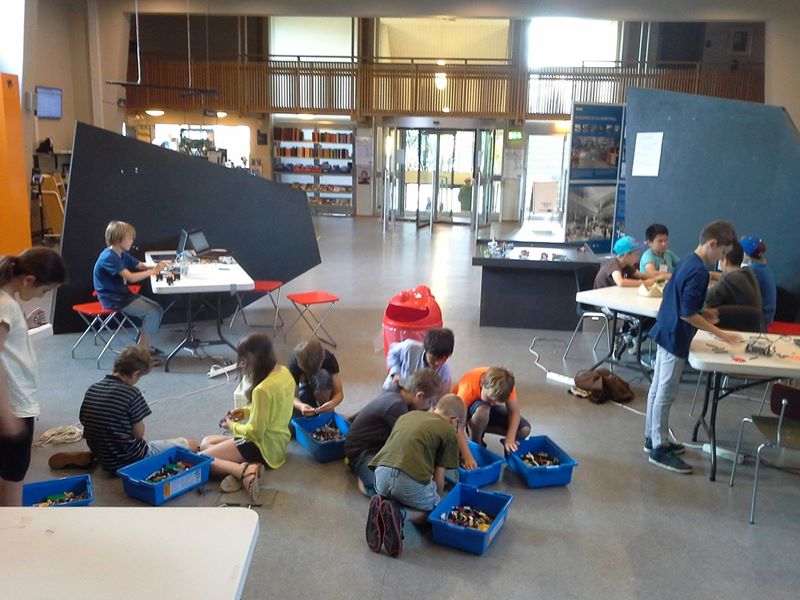
    At it’s core, the purpose of the festival is the same, though:

    CounterPlay aims to widen the perspective on games, play & playfulness, inviting (also) the unusual suspects into the circle. Part of this is bringing play to new arenas, challenging the notion of who can play, as well as where and when play can take place. What does it mean to be playful – in education, our work & – most importantly – our lives? I hope to evolve the festival as a space for people from different domains to meet, challenge each others perspectives, explore new types of play.

    In the end, it’s about allowing more playfulness into the world. 

    Easy as that.

    One component in going further in that direction is to create:

    Stronger local communities

    Quite early on, I made a (difficult, I might add) decision to situate the festival in the fairly small town of Aarhus.

    This is a constant consideration, as I don’t want geography to get in the way of building a great international festival, and the local dimension only makes sense when seen in an international perspective. It’s the exchange between the local & global that I find particularly interesting (and though I talk about local in this post, I’ll get back to global later on).

    I think many interesting things related to games & play are happening in and around Aarhus, and I want the festival to help show, support and grow these initiatives in any meaningful way.

    By now, the festival is already somewhat rooted in Aarhus, but I would like it to become more integrated into the local community – and vice versa. I hope to see the festival spread to the streets, buildings & institutions of Aarhus; to make the town itself more playful, and to have all involved parties, including the festival, benefit from that.

    At my most ambitious, I hope to create something as open, diverse, inspiring and cool as Game City in Nottingham:

    Let’s create a playful movement.

    Who could be part of this?

    Museums, libraries, educational institutions, students, the university, the municipality, game developers, creative agencies, private companies in general…please continue the list.

    Anybody with a desire to be playful in one way or another.

    Here’s a few thoughts about how it could happen:

    Playful cultural institutions

    I was so glad to have the local main public library as an amazing partner for the first festival. It was obviously a great help that they wanted to host the festival, but what’s even better is their generally very playful approach to being a library. Take their currently running summer workshop, where kids are building & playing with robots:

    robotter_hovedbib

    I look forward to our continued collaboration, though we probably won’t be at the library again before 2016 (I am, by the way, still looking for the perfect spot for CounterPlay ’15).

    Aarhus has many other interesting cultural institutions, which could be part of a movement.

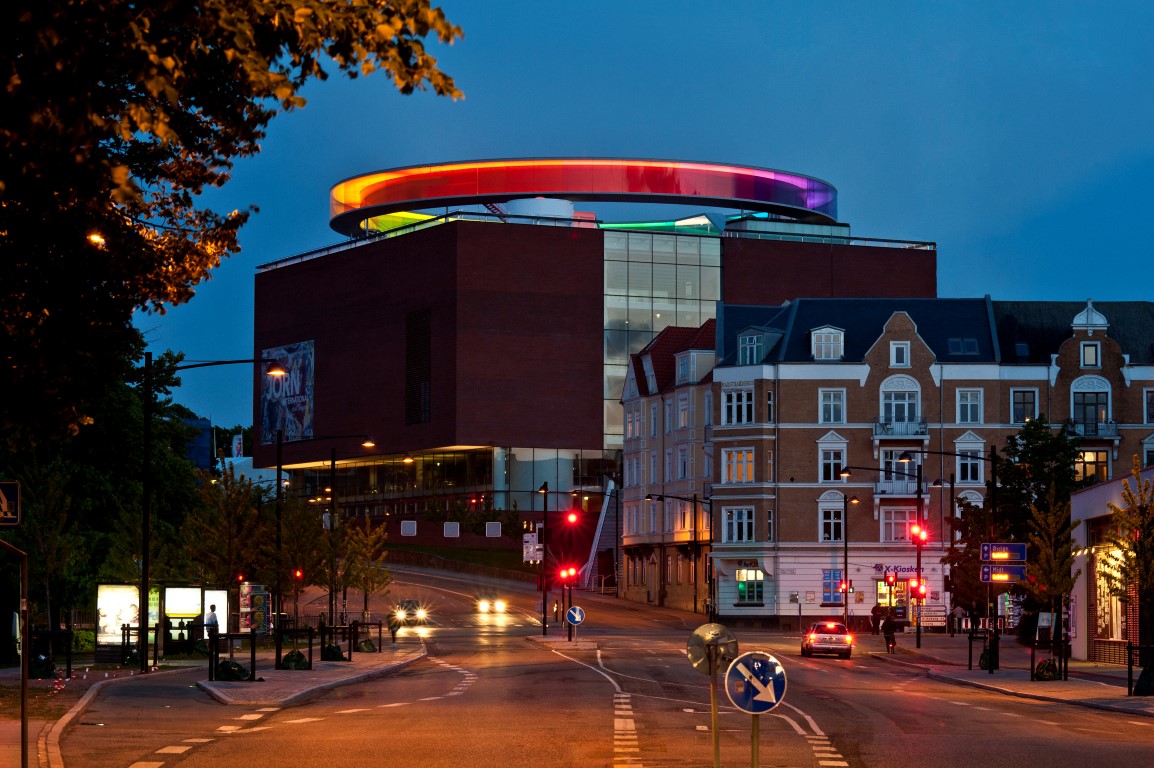
    Take the biggest art museum, Aros & their lovely “rainbow” by Olafur Eliasson:

    aros_night (Medium)

    This is playful in & of itself, but I’m sure we could come up with very intriguing ideas for being playful in the musuem (and the rainbow), as well as the other museums, institutions, events and festivals (should we play more at Northside?).

    There’s lots of amazing inspiration for these things around the world. Take the famous video game section at MOMA. Or “PLAY!” in Sheffield:

    We are looking for submissions from artists whose work takes a critically engaged approach to computer games within a fine art context. Within such a broad theme, we are specifically looking for conceptually sound work which seeks to isolate aspects of gaming for suitable artistic reflection and contemplation.

    Or the playful, game jam-like “lab for reinventing museums”, Museomix:

    Or the upcoming “Vertigo of Reality” at “AKADEMIE DER KÜNSTE” in Berlin, which I must visit:

     The exhibition presents artistic strategies and methods of working which focus on the viewer’s perception. The artwork materialises only in and through the viewers themselves. Current developments in game art here stand within a tradition of artistic explorations beginning in the 1960s, in particular closed circuit video installations as well as performances, participation projects, films, photographic works and mirror objects.

    Or, of course, all the wonderful projects & initiatives curated at the “Playful Arts Festival“:

    Playful interventions in urban space

    While there’s much we can do with existing cultural institutions, the opportunities may be even more diverse when turning to playful interventions in public space. Urban environments are in many ways obvious spaces of play, but often this potential remains more or less untapped. Urban spaces are frequently designed with more instrumental purposes in mind, and there seems to be many conventions tied to the way we inhabit and navigate our towns and cities. Most people probably think of it in fairly rational terms, as a place to traverse in order to get from A to B. There’s usually a number of “recreational spaces” as well, but in many cases, these are not exactly playful.

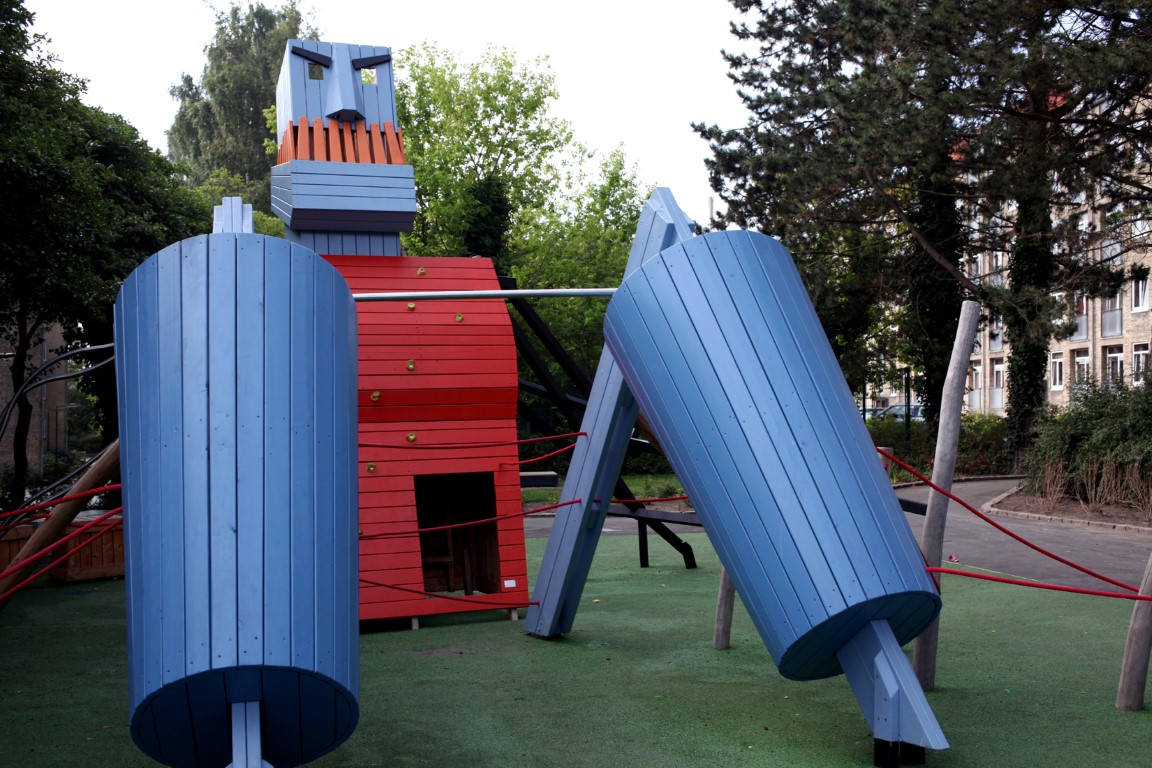
    This is obviously not just about playgrounds, but it’s definitely also about playgrounds. Take for instance the Danish developer of wonderful playgrounds, Monstrum (photo by The Mythological Quarter):

    monstrum_robot (Medium)

    While (some) playgrounds are wonderful, the scope is much wider. Look to “The Playable City” in the UK:

    “The Playable City is a new term, imagined as a counterpoint to ‘A Smart City’. A Playable City is a city where people, hospitality and openness are key, enabling its residents and visitors to reconfigure and rewrite its services, places and stories.”

    This is such an appealing idea, that I’d love to see unfold all over the place. One initiative, “Playing Out“, aims to make  “streets a place for play” (more her):

    Apparently they’re on a roll in the UK with this amazing slide by Luke Jerram:

    I also love Sylvan Steenhuis‘ intervention, “Water Shootout Amsterdam”, which is a classic by now:

    https://www.youtube.com/watch?v=ZU7mN7KMHys

    On a much smaller scale, a group of students did a small playful intervention in relation to CounterPlay ’14, where they involved people (me included) in creating a large hopscotch grid:

    https://www.youtube.com/watch?v=NzhCSYMqsvQ

    Just seeing how people has to overcome a barrier to even consider playing in public space (myself included) makes me eager to further explore these things, and I would like for CounterPlay to become an active contributor to both creating and disseminating new approaches to playful cities.

    Let’s play!

    Are you in or around Aarhus, do you consider your work playful, or would you like it to be?

    Please get in touch, as I would love to talk and involve you in the next edition of CounterPlay!