Category: Play Community

  • Loving the Play Community

    Loving the Play Community

    [et_pb_section bb_built=”1″][et_pb_row][et_pb_column type=”4_4″][et_pb_text _builder_version=”3.15″]

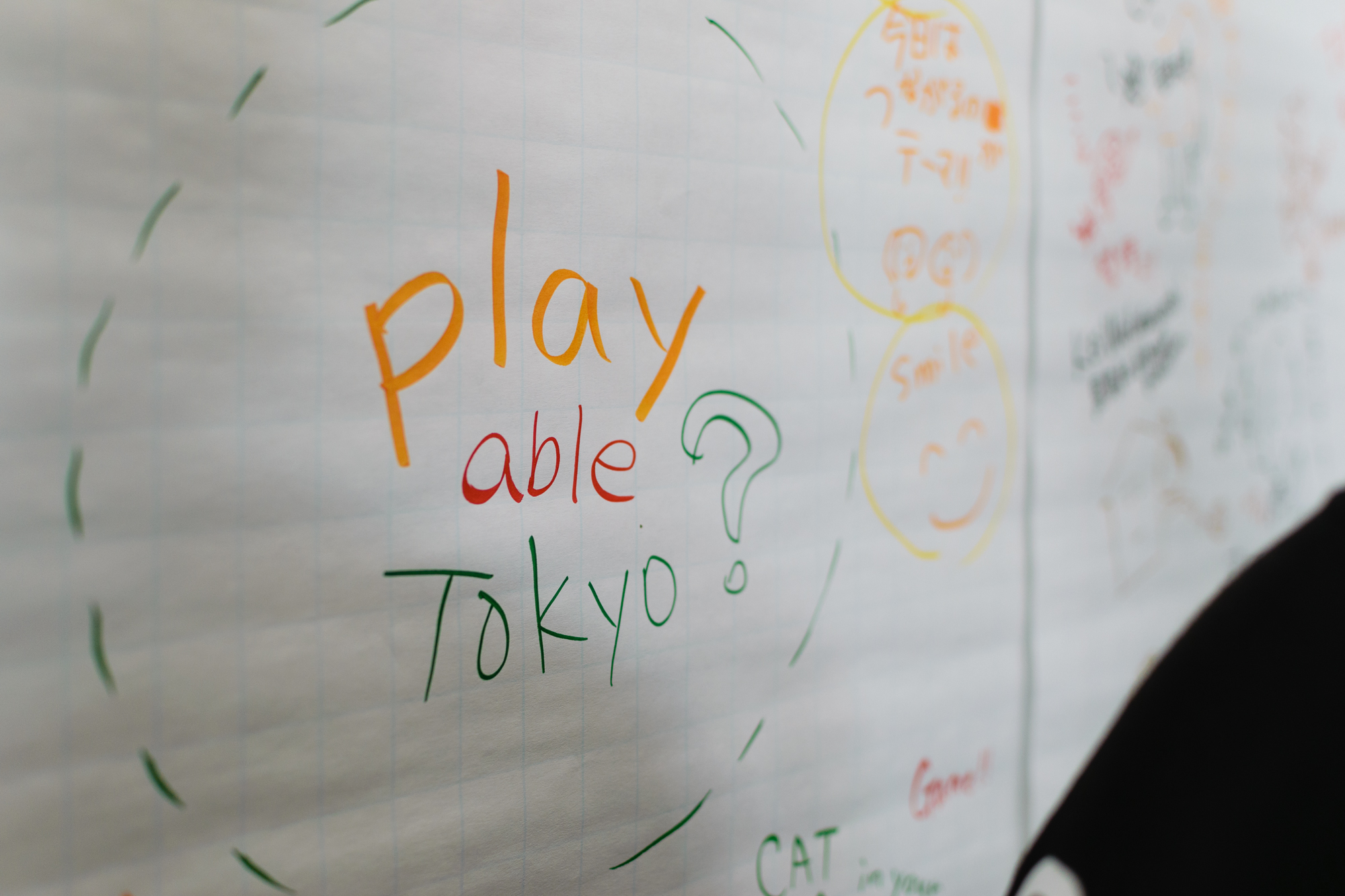
    I try to embrace every possible adventure I stumble upon. Immer ein Abenteuer. When the nice, brilliant people at Playable City invited me to speak at their conference in Tokyo, I jumped with joy.

    “Would you come over and talk about your work with play communities?” 

    Since that just happens to be my favorite topic, the answer was a resounding YES, of course.

    It’s a few weeks ago now, and all the many, many impressions from the conference (and Tokyo in general) have had time to settle in.

    There were a good blend of inspiring talks by Kei Wakabayashi, Motoko Tanaka, Tine Bech and Jo Verrent from Unlimited, as well as workshops organised by members of the “Creative Producers International” programme (see the full timetable here).

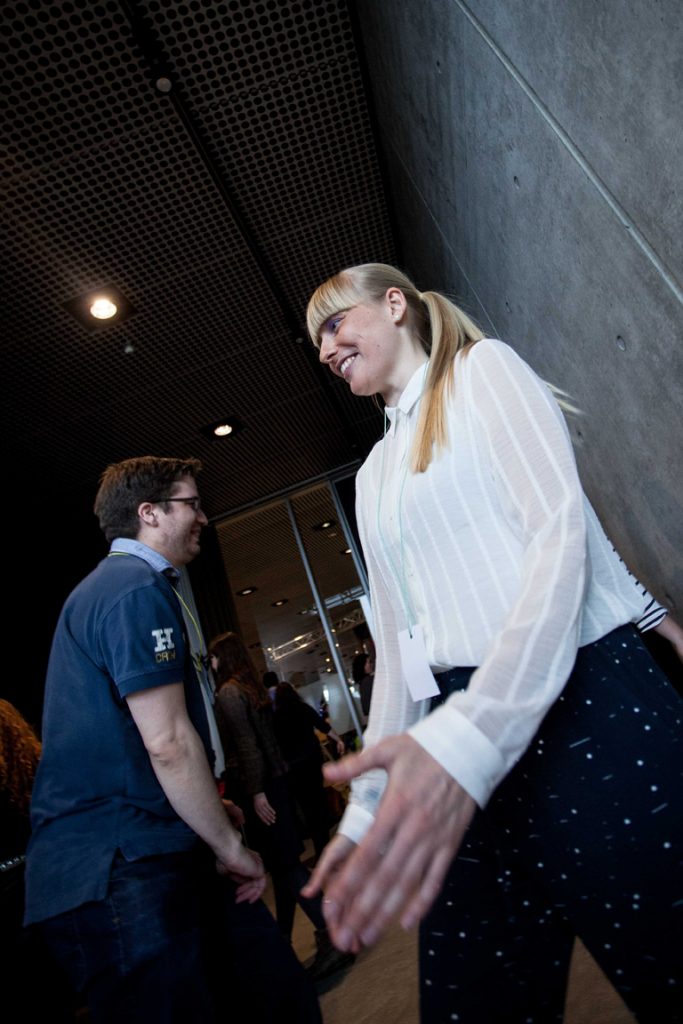
    It was deeply fascinating to explore some of the cultural differences between Japan and Western Europe (like the way use public parks!), but also to be reaffirmed in our shared desire to play. I maintain that play reminds us of everything we have common as humans, all the similarities that we often tend to overlook. When we play together, the differences fall away, and we’re able to just be in and extend that moment together.

    I would have appreciated more to talk and play, since it was all over so fast. Maybe more than one day the next time? It’s hard to get really deep into the more substantial questions and conversations in such a fairly short time, but other than that, it was a blast.

    [/et_pb_text][et_pb_image _builder_version=”3.15″ src=”http://www.counterplay.org/wp-content/uploads/2018/10/PlayableCityTokyo-2464-Large.jpg” /][et_pb_text admin_label=”Play community talk 1″ _builder_version=”3.15″]

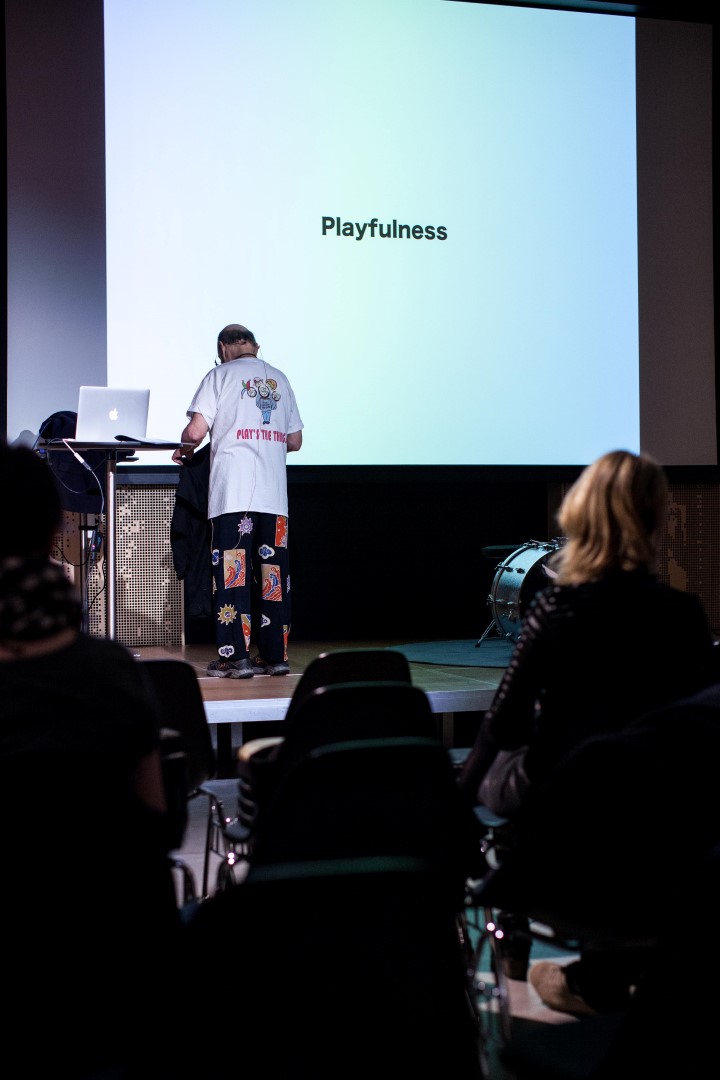
    My own talk was basically an attempt to convey my deep love for the play community (you can download a pdf of my presentation)

    The assumptions underpinning all my work are the ideas that we all have a desire to play, and that playful people are better equipped to live in this complex, weird and chaotic world.

    We can all become more playful, and the best way to practice is to simply play. If play serves any greater purpose, it is helping us reconnect with our inherent playfulness (I wrote a little bit more about that in “Play to Live“).

    It’s almost impossible to make play thrive unless it is embedded in a friendly play community. As I wrote in our book, “The Power of Play” on “The Global Play Community“:

    “Cultivating a diverse play community where people are actively participating to explore and spread play is probably our best bet to foster a strong movement towards a more playful world. When we know for certain that we are not alone that other people feel the same urge to be playful, then we can easier muster the courage that is necessary to challenge the non-playful structures around us.”

    Now, I can’t talk about play communities without acknowleding how much I’m drawing on Bernie DeKoven’s work (which is a lot). He’s gone now, sadly, but throughout his life he explored the true meaning of play and the communities where play flourishes:

    “But we are a play community, and playing the way we do, for fun, for everyone’s fun, in public – our fun little community becomes something else. To those who want to be seen as people who embrace life, embrace each other, embrace spontaneity, freedom, laughter; we are an alternative. An invitation. We play as if the game isn’t important. The rules aren’t important. As if the only really important thing is each other”

    This resonates with Lynne Segal’s writing in “Radical Happiness: Moments of Collective Joy“:

    ”As the world becomes an ever lonelier place, it is sustaining relationships, in whatever form they take, which must become ever more important. An act of defiance, even”

    What can be more helpful in “sustaining relationships” than playing together? Especially if every single act of play takes us deeper into the play community, while also extending the invitation for people on the outside to join.

    If you’re still with me, let’s say we agree that yes, play and play communities are indeed important, but how do we cultivate them?

    I don’t have a simple recipe, but rather a handful of somewhat intangible, demanding pieces of advice. There’s no reason to pretend that it’s easy, because, well, it’s not. It’s a lot like love in that regard. It’s complicated, it takes a lot of effort, and there are no guarantees or predictable outcomes, but we probably can’t live without it.

    [/et_pb_text][et_pb_image _builder_version=”3.15″ src=”http://www.counterplay.org/wp-content/uploads/2018/10/PlayableCityTokyo-2390-Large.jpg” /][et_pb_text admin_label=”Play community talk 2″ _builder_version=”3.15″]

    My most important message was to dare to be guided by play. To me, play is my one guiding principle. My compass. When I doubt what I’m doing, when I fear I’m moving in the wrong direction, I ask myself: ”what would play have done?”. ”Am I respecting the values of play?”. I have images of play in my head, the feeling of play in my body. I found myself talking as play as this imaginary friend, who I would always consult and ask for advice. “Am I doing this right?” Our manifesto is an attempt to describe how we see play, and I frequently revisit it, keeping me on the right track.

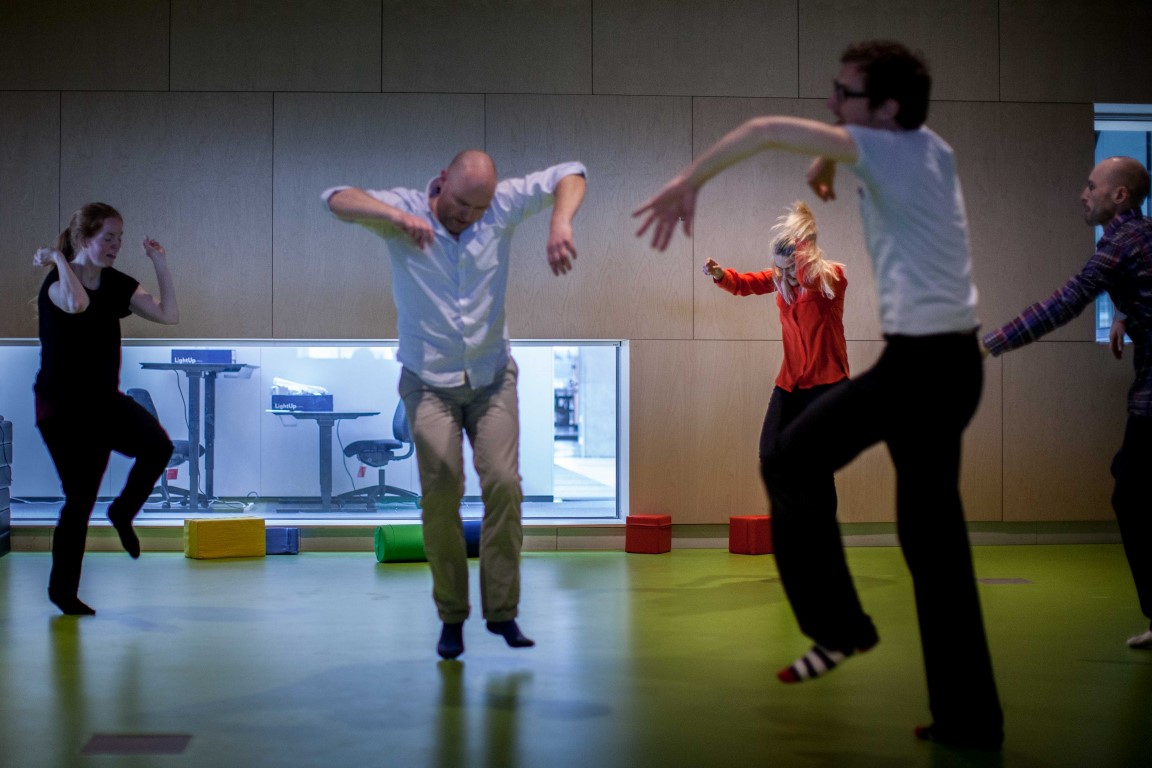
    From here, you have to lead by example. Someone has to muster the courage to stand up and make a statement, demonstrating how play is not only permitted, but actively encouraged. You can do that, you can change the direction, the atmosphere, the culture, the rules. This is exactly what Clare Reddington and her partner in crime, Seiichi Saito, did when they were running around like this all day:


    [/et_pb_text][et_pb_image _builder_version=”3.15″ src=”http://www.counterplay.org/wp-content/uploads/2018/10/PlayableCityTokyo-2399-Large.jpg” /][et_pb_text admin_label=”Play community talk 3″ _builder_version=”3.15″]

    What does it mean to lead a community while being guided by play?

    To name a few principles that are important to me, you have to embrace the diversity of play. There are as many ways to play as there are people on earth. Just like we should embrace diversity among people, we should encourage it in play. There is no right way to play, but there are many ways we haven’t seen yet. Play is uncertain and you shouldn’t try to eliminate that uncertainty. It’s not knowing what will happen in a moment that keeps play alive and vibrant, because anything might happen. Play is sincere and playing together, our mental barriers and facades fall away. We stop hiding and show who we really are. I’m pretty sure that if you’re not being sincere, if you don’t really mean it, the play community will wither and die. Finally, play is hugely generous. Play is not primarily about competing or winning, but about being in that moment together, keeping the play alive and everyone playing takes upon them part of the responsibility. This nurtures a generosity, where we care less about our personal needs and more about contributing to the shared experience. We have to be as generous to our play communities, also without always expecting anything in return.

    Throughout all this, your efforts only ever really matter when you dare to trust the play community. If you do, they will perform magic. If you don’t, well, they won’t do much of anything. Trust is risky, intimidating, even. What if your trust is misguided? If those you trust will let you down? …but I honestly believe there is no other way to make play thrive (or to cultivate healthy societies, for that matter).

    I ended with a few simple recommendations that might be helpful for anyone aspiring to cultivate local play communities:

    • Create spaces for play to thrive – in our cities and our minds
    • Start small – let play grow organically
    • Be courageous – dare to experiment, embrace uncertainty
    • Trust the play community

    I will keep working for greater diversity in the play communities I’m part of, creating stronger ties across the globe, bridging gaps and bringing more people together. As for next year’s CounterPlay festival, there’s a call for proposals out now, and we’re working to get the play community much more involved in the process than ever:

    https://twitter.com/mathiaspoulsen/status/1049721289391464449

    [/et_pb_text][/et_pb_column][/et_pb_row][/et_pb_section]
  • Well Played, Bernie

    Well Played, Bernie

    [et_pb_section bb_built=”1″][et_pb_row][et_pb_column type=”4_4″][et_pb_text _builder_version=”3.0.91″ background_layout=”light”]

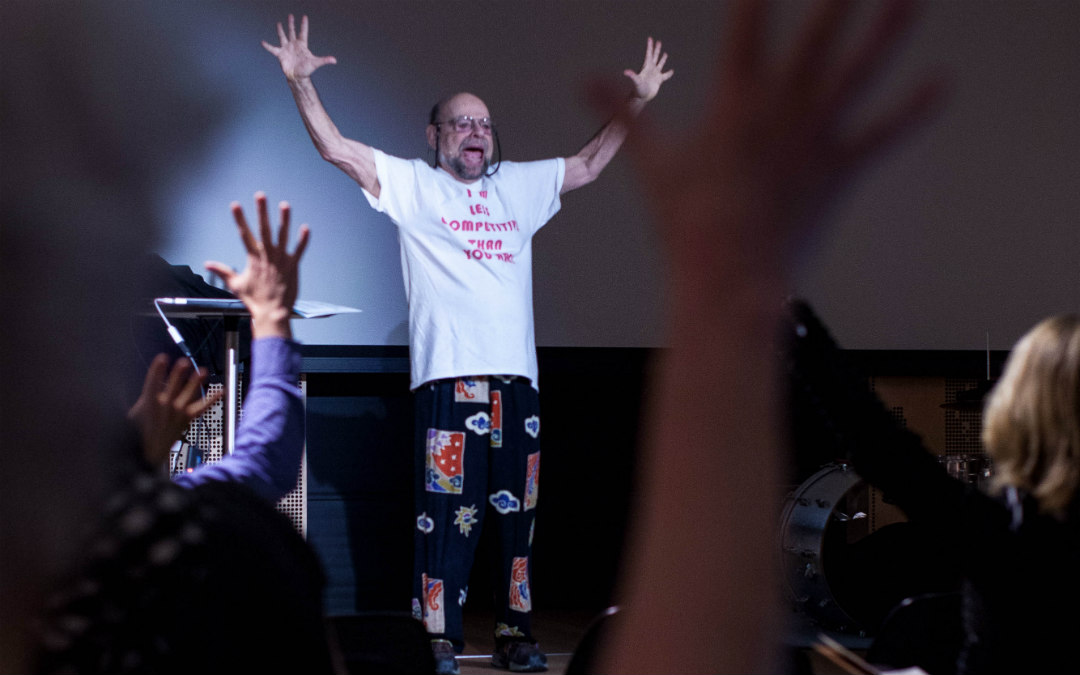
    One year ago, almost to this day, I got an email from my friend, Bernie. We had been somewhat regularly in touch for a while, sharing ideas, thoughts and dreams. Like so many playful souls fortunate enough to meet “Blue”, I found in him a true kindred spirit, a beacon of hope and light.

    So, the email. The subject was “hard news”, which was not a very Bernie-esque thing to write, you know, so I was instantly alarmed. Something was wrong. I knew he had health problems, but had no idea how severe, so suddenly reading “I was diagnosed with stage 4 cancer. The doctor said I could possibly live for another year” hit me hard and made me sad (as it happens, he almost did live exactly one year from that day).

    It was clear, however, that he had something other than sadness in mind. He didn’t want to dwell too much, and he certainly didn’t want me or anyone else to do so either:

    So, anyhow, it’s kind of weirding me out this whole thing, so forgive me if this note is less than coherent. Fact is, I want to have as much fun as I possibly can have for as long as I can, and some of the best fun I have is helping other people have fun. Good luck – never mind, you won’t need it. But have fun, delight in all the delight you have helped manifest itself, accept the love.

    Right there, my grief was almost entirely substituted with joy and hope, which, I guess, was exactly what he wanted. Shortly after I received the email, he bravely and completely unceremoniously announced it on his wonderful blog “Deep Fun”: “Hello. My Name Is Bernie. My Friends Call Me “Blue.” I Have Cancer And Maybe A Year To Live. This Is What I’d Like You To Do About It.

    Enough with the sadness. There’s too much of it in the world already. Way too. Do you really think I’d want there to be even more sadness? Who, me? Sure, a little grieving. Who can blame you? I, myself, am taking brief grief-breaks about every 22 minutes. But please, don’t let that distract you. Cancer, I say, schmancer.


    If you want to do something for me or because of me, grieving is not what I need. What I need is for you to continue your play/work however you can. Play games. Play the kind of games I like to teach – you know, those “funny games” – harmlessly intimate, vaguely physical games of the semi-planned, spontaneous, just-for-fun ilk, basically without equipment, or goal, or score or reason, even.


    Teach those games to everyone. Play them outside, these games. In public. With friends. And strangers. As many as want to play with you. Make up your own games. Make them up together with the people who play them. Play. Teach. Invent. Play some more.


    Also especially – look into this playfulness thing too. Deeply. Because we’re not talking just games here. We’re talking about how you can let yourself be as playful as you’ve always been, how you can be playful almost anywhere with almost anyone, how you can invite people to be playful with you, in school and office and in the checkout line: all kinds of people with all kinds of abilities from all kinds of backgrounds.

    He kept doing this, “Embracing Death. Celebrating Life“, openly and honestly, not pretending to be doing well, sharing the pain and suffering, admitting that “My body might not be able to keep my soul’s sometimes over-eager promises“, but insisting, nonetheless, on play. On living playfully, on seeing and accepting all the small invitations. As he kept saying, “playful people have more fun” (watching this now, hearing his gentle voice, almost makes me cry):

    Until, one day, he said “Shalom And Au Revoir” and wished for us all that “may we be playful to the end“.

    Some time before that, he wrote to me with the incredible generosity that was prevalent in everything he did: “Thinking of what I can do for you. What you need me to tell people about? what ideas of yours would you like my take on? Whatever is catching your heart”.

    In a world where we’re usually taught to think more about ourself than anyone else, to always consider our own gain, Bernie refused to play along. He had a completely different, and exceptionally refreshing approach. It was not just “what can I do for you”, but also “what can we do together”? He was a constant reminder that play is all about generosity, reaching out, stretching to connect with the other, making an effort to create a deep, meaningful experience together.

    See, this is what he talked about all the way back in the 70’s in “Creating the Play Community“:

    We each take responsibility for discovering what we can enjoy together. It makes so much more sense to change the game than to try to change the people who are there to play (…) We are beginning to create a play community – not a forever community with a fixed code, but a temporary community with a code we make up as we go along, a community that we can continue creating anywhere, any time we want to create it with us (…) We begin the play community by embracing each other, by giving each person the opportunity to experience him- or herself as a full and equal member.

    In play, we’re in it together, as we are in life.

    To this day, I’m in awe of how he handled everything. When you have to face death, you’re inevitably forced to reflect upon the path you’ve chosen. If you do that and you still say to yourself and the world – “I want to keep on doing this for as long as I can”, well, you’ve been travelling along the right path; the playful path. It reminded me, maybe more than anything else, that if you consciously choose to live a playful life, to fully embrace and nurture play, you’ll get to look back, fondly, at a life well played.

    I feel infinitely grateful for having known Bernie, for having had the privilege of calling him friend, for having joined him on his wonderful, playful path, if only for far too short a time. I felt he had some sort of trust in me, for whatever reason. He even told me that I should “be the champion of playfulness that I was in the way that you most want to be” and I was (and is) intimidated. As I told him, I could never do what he did. That magic touch, that graceful way of inviting play. I can’t do it. Always so kind, so eager to support and help, he assured me that “you don’t have to do what I do. Do what you do best.”.

    I promise, Bernie, I will. I will do everything I can to honor you through my work & life, carrying your torch of play as far as I can.

    While I’m saddened by his departure, and he leaves a big void behind with some huge shoes to fill, my spirits were instantly lifted when I saw the outpouring of love and reverence taking place across my social media streams:

    Amy Beaupre shared a beautiful quote by Flavia Weedn:

    “Some people come into our lives and quickly go. Some people move our souls to dance. They awaken us to a new understanding with the passing whisper of their wisdom. Some people make the sky more beautiful to gaze upon. They stay in our lives for awhile, leave footprints on our hearts, and we are never, ever the same.”

    Some people move our souls to dance. That’s exactly what Bernie did, and with such beautiful ease, just by being present in a room.

    https://twitter.com/MrChad/status/977605891091394560

    https://twitter.com/ElineMuijres/status/977617113446625280

    What could be more beautiful than, even in death, continuing to inspire & encourage people all over the world to play & live a rich, playful life? What more could someone like us, the dreamers of the play community, ever aspire to? This is what encourages and emboldens me, even in the deep sadness, knowing that Bernie would have wanted us to approach his death as, quite simply, yet another invitation to play.

    That’s how we honor him, remember him and keep his spirit alive for years and decades to come: we keep playing, we keep inviting people to join the play communities we cultivate all around the world, and we keep insisting that play needs no justification, no outcome, nothing but the sheer demonstration of freedom, joy and love that it is.

    [/et_pb_text][/et_pb_column][/et_pb_row][/et_pb_section]
  • The Global Play Community

    The Global Play Community

    [et_pb_section admin_label=”section”][et_pb_row admin_label=”row”][et_pb_column type=”4_4″][et_pb_text admin_label=”Text” background_layout=”light” text_orientation=”left” use_border_color=”off” border_color=”#ffffff” border_style=”solid”]

    [This post is taken from the introduction to the book we’re making, “The Power of Play – Voices from the Play Community]

    Our ambitions are high, but we also realize that this book is but a very small contribution to a very big field, where practitioners and scholars have been trying to understand the joyful nature of play for hundreds, thousands of years. This is neither the beginning of the journey, nor the end, but rather somewhere in between. We wish to approach the topic with respect and humility, well aware that we can, at most, help take a small step forward, but small steps are all we can ever take.

    As long as we take them together, they will matter.

    That brings us back to the play community. This is key, really. Cultivating a diverse play community where people are actively participating to explore and spread play is probably our best bet to foster a strong movement towards a more playful world. When we know for certain that we are not alone that other people feel the same urge to be playful, then we can easier muster the courage that is necessary to challenge the non-playful structures around us.

    “But we are a play community, and playing the way we do, for fun, for everyone’s fun, in public – our fun little community becomes something else. “To those who want to be seen as people who embrace life, embrace each other, embrace spontaneity, freedom, laughter; we are an alternative. An invitation. We play as if the game isn’t important. The rules aren’t important. As if the only really important thing is each other” (DeKoven, 2016)

    It is only loosely held together, the ties are invisible, and like the magic circle, there are no rigid borders or boundaries around the play community. Nobody owns it and no one ever can, as it belongs solely to the participants as a shared resource. This play community we’re speaking of here exists on a global scale, but it’s made up of many, many smaller communities.

    It’s fragile, in a way, and it will only thrive, evolve and grow if it is cared for and nurtured. If we leave it alone, without love and attention, it will wither away. This community is not driven by or particularly interested in external rewards or markers, but by finding and creating meaning, challenges, resistance, adventures, smiles and joy. It is exactly like play, fueled by an inner “continuation desire”:

    “We desire to keep doing it, and the pleasure of the experience drives that desire. We find ways to keep it going. If something threatens to stop the fun, we improvise new rules or conditions so that the play doesn’t have to end. And when it is over, we want to do it again” (Brown, 2009)

    The people in the play community play with each other, of course, but it is also a space for reflection and conversation. Conversations between people, sure, but also between ideas, thoughts, things that are written and things that are spoken; Exchanges, interactions, meetings of minds, ambitions and dreams.
    Seeing the play community as a whole is relevant, as it transcends the limitations of any one person or organization, who can only do so much to improve the conditions for play to thrive in society. As a global community, on the other hand, we have the potential and power to utterly transform the role of play in the world.

    Like the people in this book have come together, guided by their passion for play, let us do more to cultivate the global play community. It welcomes researchers and practitioners , people who work with play and people who are merely curious, even people who don’t consider themselves playful. If you think yourself of the latter category beware, play might change your life. It already has for many of us.

    Play is immensely powerful when it creates deep connections between people, even strangers. We have probably all experienced this, and we know the feeling of barriers suddenly falling away. When we play, we share the responsibility, and we need to be present in the moment, right here, right now. You are open to the world, aware, listening, anticipating, embracing what the other person brings. This is rarely more visible than in the eyes of people playing with each other. The way they shine, the pure joy, this is as close to magic as it gets. In this sense, play becomes a demonstration of empathy, an exploration of being together in ways that respect us all. Play is a lesson in humanity, a gentle reminder of all the things we have in common across age groups, nationalities, religions, socio-cultural backgrounds and other differences that usually keep us apart.

    Let’s rise to the occasion, and do what play does best: let’s connect deeply, let’s see across the barriers and differences, let’s step into each other’s lives to join forces in the fight for a more playful world.

    [/et_pb_text][/et_pb_column][/et_pb_row][/et_pb_section]

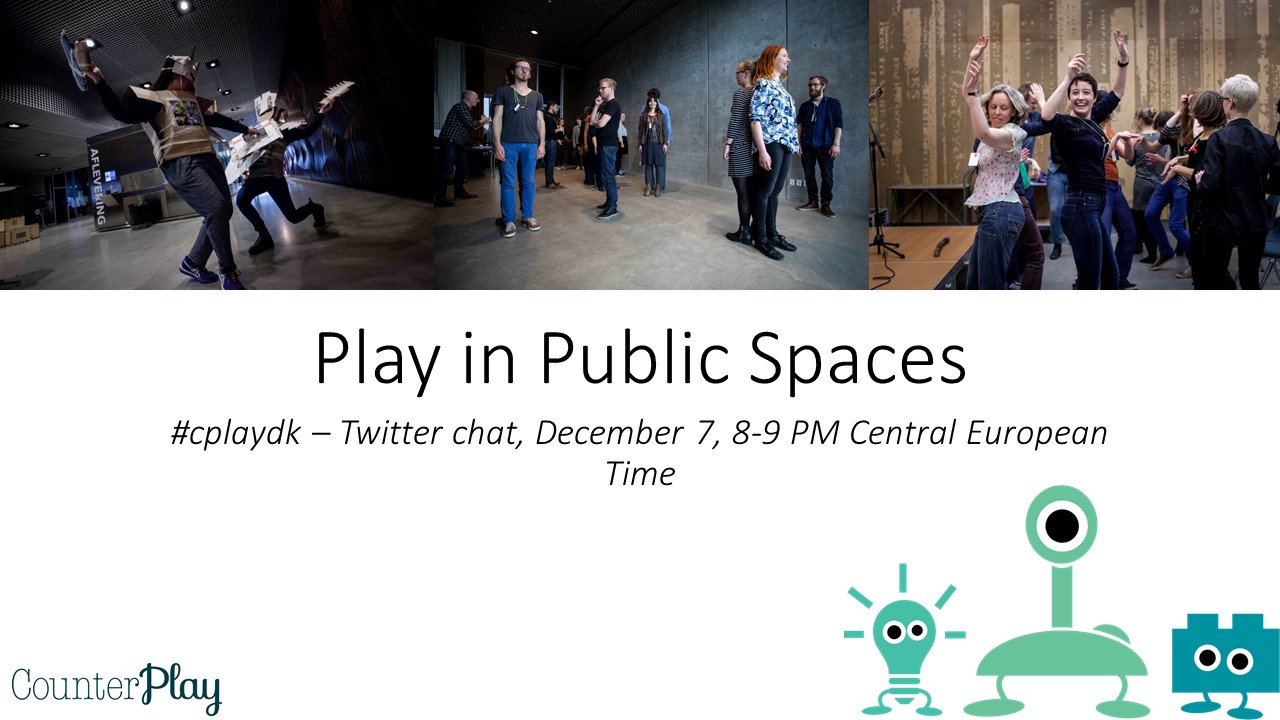
  • #cplaydk #3: Play in Public Spaces

    #cplaydk #3: Play in Public Spaces

    [et_pb_section admin_label=”section”][et_pb_row admin_label=”row”][et_pb_column type=”4_4″][et_pb_text admin_label=”Intro” background_layout=”light” text_orientation=”left” use_border_color=”off” border_color=”#ffffff” border_style=”solid”]

    On Wednesday, December 7, we discussed “play in public spaces”, and wow, what an amazing conversation!

    This is the third chat, and it’s been wonderful to see how “new” people keep joining the community. Twitter is particularly good for this because it is so open, and people can just drop in at any time, when they notice that something is going on – like Iain here did:

    While we’re not so interested in the size of the community as such, we’re very interested in the diversity and the range of perspectives represented. There were so many valuable points being made about the nature and importance of play in public spaces, as well as the challenges we are facing and possible (very creative!) solutions:

    https://twitter.com/karastewart/status/806581999272161280

    See our questions and the collection of tweets below:

    [/et_pb_text][et_pb_text admin_label=”Questions” background_layout=”light” text_orientation=”left” use_border_color=”off” border_color=”#ffffff” border_style=”solid”]

    [/et_pb_text][et_pb_text admin_label=”Tweets” background_layout=”light” text_orientation=”left” use_border_color=”off” border_color=”#ffffff” border_style=”solid”]

    [/et_pb_text][/et_pb_column][/et_pb_row][/et_pb_section]

  • #cplaydk #2: Play in the Workplace

    #cplaydk #2: Play in the Workplace

    [et_pb_section admin_label=”section”][et_pb_row admin_label=”row”][et_pb_column type=”4_4″][et_pb_text admin_label=”Text” background_layout=”light” text_orientation=”left” use_border_color=”off” border_color=”#ffffff” border_style=”solid”]

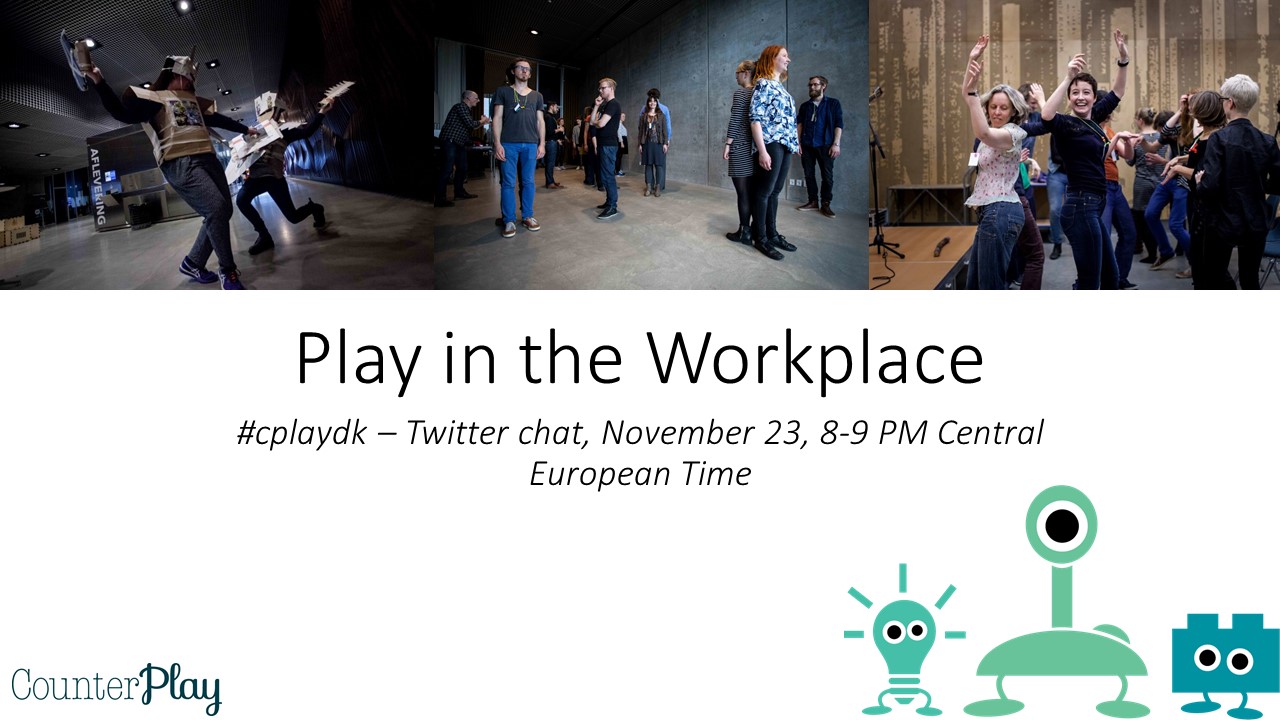
    On November 28, 2016, we had a great discussion about “play in the workplace”. Here are the questions:

    [/et_pb_text][et_pb_text admin_label=”Text” background_layout=”light” text_orientation=”left” use_border_color=”off” border_color=”#ffffff” border_style=”solid”]

    Here is a collection of tweets from the chat:

    [/et_pb_text][/et_pb_column][/et_pb_row][/et_pb_section]

  • #cplaydk: The Power of Play

    #cplaydk: The Power of Play

    [et_pb_section admin_label=”section”][et_pb_row admin_label=”row”][et_pb_column type=”4_4″][et_pb_text admin_label=”Text” background_layout=”light” text_orientation=”left” use_border_color=”off” border_color=”#ffffff” border_style=”solid”]

    On November 9th, 2016, we hosted the first #cplaydk chat on Twitter, where we discussed “the power of play”.

    A nice group of people joined us, we had some great conversations, and we’ll be doing this every other Wednesday from 8-9 PM Central European Time. Just tune in to the hashtag #cplaydk on Twitter and jump right in.

    Here are the tweets from the first chat:

    [/et_pb_text][et_pb_text admin_label=”Text” background_layout=”light” text_orientation=”left” use_border_color=”off” border_color=”#ffffff” border_style=”solid”]

    [/et_pb_text][/et_pb_column][/et_pb_row][/et_pb_section]